
Side Dishes
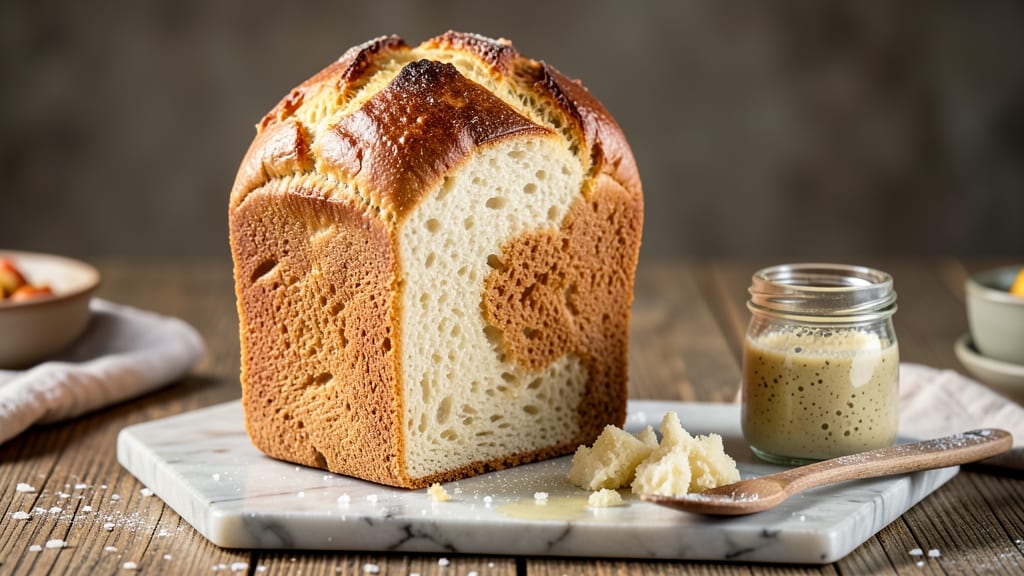
This airy sandwich bread recipe delivers the lightest, most tender loaves you’ll ever make—no heavy hands or complicated techniques required. The secret lies in proper yeast activation and a gentle shaping process that creates those signature air pockets we all crave.
I’ve perfected this method over years of baking, and it never fails to impress, whether you’re making sandwiches or serving toasted slices with butter.
What sets this recipe apart is the focus on texture—fluffy yet sturdy enough to hold fillings without collapsing. You’ll start with a simple dough of flour, yeast, water, and a touch of fat, then let it rise twice for maximum lift.
The steam in the oven during baking is what transforms good bread into exceptional bread, giving you that perfect open crumb structure we all love in sandwich bread.
By the time you pull this loaf from the oven, you’ll have a golden-brown crust with an interior so light it practically melts in your mouth. Each slice will be evenly aerated, making every bite feel like a cloud.
The best part? This bread stays fresh for days, perfect for meal prep or gifting to neighbors who’ll be jealous of your baking skills.
Use it for classic sandwiches, charcuterie boards, or simply toasted with jam. The possibilities are endless, but the method is foolproof—ideal for both beginners and seasoned bakers looking to elevate their bread game. Let’s get started on creating the perfect loaf.
Ingredients for airy sandwich bread
Nine simple ingredients transform into the lightest sandwich bread you'll ever make.
| Ingredient | Amount | Notes |
|---|---|---|
| All-Purpose Flour 🌾 | 4 cups | Sifted for lighter texture |
| Active Dry Yeast 🍞 | 2 ¼ tsp | Freshly opened packet |
| Granulated Sugar 🍚 | 1 tbsp | For yeast activation |
| Unsalted Butter 🧈 | ¼ cup | Softened, full-fat preferred |
| Warm Water 💧 | 1 ¼ cups | 110°F for yeast activation |
| Salt 🧂 | 1 tsp | Kosher or sea salt |
| Milk 🥛 | ¼ cup | Whole milk for richness |
| Large Egg 🥚 | 1 whole | Room temperature |
| Cornmeal 🌽 | 2 tbsp | For dusting loaf pan |
| Ice Cubes ❄️ | ½ cup | For shaping dough |
The yeast is where it all begins—fresh is non-negotiable here. Grab a tiny packet from the baking aisle (King Arthur or Bob's Red Mill are my go-tos), and make sure your water is warm but not hot (110°F is perfect—yeast dies in boiling water). The butter matters too—full-fat gives that tender crumb, and softened butter mixes better than cold chunks. For the flour, King Arthur or Gold Medal brands have that perfect balance of protein and softness that gives great rise. If you're in a pinch, regular supermarket flour works, but you might need an extra 10 minutes of kneading.
No yeast? Instant yeast works at the same amount, but active dry is traditional here. Running short on milk? Heavy cream or buttermilk both work beautifully—just adjust the fat content to your taste. The egg is optional, but it adds that extra richness that makes this bread perfect for buttered toast. If you're gluten-free, this recipe isn't for you, but for everyone else, don't skip the milk—it's what gives that signature sandwich bread tenderness. And if your dough feels too sticky? Chill it 10 minutes before shaping—it'll come together perfectly.
This dough needs patience—let it rise until it's almost doubled, then shape it gently. The ice cubes trick is real (trust me on this): they help tighten the gluten for that perfectly even crumb. Bake until golden, then cool completely before slicing—this prevents gummy bread. Store wrapped at room temp for 3-4 days or freeze for up to 3 months. The best part? It reheats beautifully—just pop slices in the toaster for that fresh-baked crunch every time.
Why You'll Love This Recipe
- No-Knead Magic: I swear by this recipe—just mix the flour, yeast, sugar, and warm water, let it rest, then fold in softened butter. That’s it. No standing at the counter, no overworking the dough. The yeast does all the heavy lifting while I sip coffee.
- Buttery Cloud Crust: The secret’s in the butter—folded in at the end so every bite has that melt-in-your-mouth richness. Honestly, the first time I made it, I buttered a slice straight out of the oven and nearly cried. (Yes, even on a Tuesday night.)
- Weeknight Sandwich Hero: This bread stays fresh for days, making it my go-to for quick lunches or charcuterie boards. Toast it for croutons, slice it for grilled cheese, or tear it for soup—it’s the unsung MVP of my pantry. My kids call it “the good bread,” and I’m not arguing.
- Pocketbook-Friendly Staple: Five ingredients, all affordable, and enough dough for a dozen sandwiches. I double the batch, freeze half, and never waste money on store-bought loaves again. Plus, the sugar just barely sweetens the dough—no need for expensive add-ins.
Step-by-step instructions for airy sandwich bread
Here's how to bake bread with a light, pillowy crumb and crisp edges—every slice will be perfect.
Activate the Yeast for Maximum Rise
In a small bowl, combine the 1.25 cups warm water (about 110°F), 1 tbsp granulated sugar, and 2.25 tsp active dry yeast. Let it sit for 5-10 minutes until frothy—this confirms your yeast is alive and ready to work. If it doesn't bubble, your yeast is stale, and you'll need to start over. The sugar feeds the yeast, giving your bread that signature airiness.
While waiting, sift the 4 cups all-purpose flour into a large mixing bowl. This step removes lumps and incorporates air, which helps create that light, fluffy texture we're after. The sifting also prevents dense pockets in your final loaf. Keep the bowl nearby—you'll need it in the next step.
Mix Wet Ingredients and Create the Dough
In the same large bowl, add the 0.25 cup softened unsalted butter, 0.25 cup whole milk, 1 whole large egg, and 1 tsp salt to the sifted flour. Using a wooden spoon or your hands, mix until a shaggy dough forms. The butter adds richness, while the egg and milk contribute to that tender crumb. Don't overwork it yet—just get everything combined.
Now add the yeast mixture from Step 1. Using a dough whisk or your hands, mix until the dough comes together into a soft, slightly sticky ball. It should pull away from the sides of the bowl but still feel tacky. If it's too dry, add 1-2 teaspoons of warm water to help bind it. The dough should be smooth but not stiff—this ensures it rises beautifully.
Knead Until Silky Smooth
Turn the dough onto a lightly floured surface and knead for 8-10 minutes by hand, or 5-6 minutes in a stand mixer with a dough hook. You're looking for a dough that's smooth, elastic, and slightly springy when poked. If it feels too sticky, add 1 tablespoon of flour at a time until it's manageable. The kneading develops gluten, which gives your bread structure and that perfect sliceable texture.
Here's the thing—don't rush this step. The dough should feel like soft, satiny silk under your fingers. If it tears easily or feels gummy, keep kneading. Once it passes the "windowpane test" (stretch a small piece thin enough to see light through), it's ready. This test guarantees your bread will have that professional bakery texture.
First Rise for Maximum Fluffiness
Lightly grease a large bowl with a bit of oil or melted butter, then place the dough inside. Cover the bowl with a clean kitchen towel or plastic wrap and let it rise in a warm place for 1-1.5 hours, or until it has roughly doubled in size. The warmth helps the yeast work faster, creating those tiny air pockets that make sandwich bread so light.
I like to place the bowl near a slightly turned-on oven with the light on (the light generates heat) or on top of my fridge for consistent warmth. Watch for the dough to puff up and look jiggly when gently shaken. If it doesn't rise much, your yeast might need more time or warmth. Patience here pays off—this is where your bread gets its signature airiness.
Shape and Second Rise for Perfect Structure
Punch down the risen dough to release air, then divide it into 4 equal pieces (about 8 ounces each). Roll each piece into a log shape and place them seam-side down in a 9x5-inch loaf pan lightly dusted with 2 tbsp cornmeal. The cornmeal prevents sticking and adds a subtle crunch to the bottom crust. This shaping creates those classic sandwich bread slices that hold fillings perfectly.
Cover the pan with a towel and let the dough rise again for 30-45 minutes, until it's just about level with the top of the pan. Preheat your oven to 375°F during this final rise. The dough should feel firm but still slightly springy when pressed gently. If it rises too quickly, your kitchen is too warm—adjust by moving it to a cooler spot.
Bake to Golden Perfection
Bake the loaves for 25-30 minutes until the tops are deep golden brown and the internal temperature reaches 190-200°F (use an instant-read thermometer). The bread should sound hollow when tapped on the bottom. If the tops brown too quickly, tent with foil to prevent over-browning while the center finishes cooking.
Here's my pro tip: For extra crisp edges, brush the tops with a little water right before baking. This creates a beautiful, shimmering crust. Let the bread cool in the pan for 10 minutes, then transfer to a wire rack. This resting period ensures the crumb sets properly—cutting too soon makes for gummy slices. Once cooled, slice and serve warm for that fresh-from-the-oven experience.
Pro Tips For Making Airy Sandwich Bread
- Bloom the Yeast First: Skip mixing yeast directly into flour—dissolve it in warm water with sugar first. Let it sit 5–10 minutes until frothy (it should double in volume). This guarantees active yeast and saves you from dense, flat bread later.
- Knead Until Silky: Stop when the dough pulls cleanly away from the bowl and springs back slowly when poked. Over-kneading toughens gluten, but under-kneading leaves it gummy. Aim for 8–10 minutes by hand—no need to exhaust yourself.
- Salt the Butter: Mix ½ teaspoon salt into the softened butter before adding it to the dough. The butter’s flavor integrates better, and you avoid the risk of forgetting salt entirely (yes, I’ve done it).
- Proof in Two Stages: Let the dough rise at room temp for 1 hour, then refrigerate overnight. The cold slows fermentation, deepens flavor, and makes shaping easier the next day—no more fighting sticky, overproofed dough.
Wine and beer pairings for airy sandwich bread
Crisp White Wine Pairings
For this airy sandwich bread, I reach for Sauvignon Blanc from New Zealand—its bright citrus and herbal notes complement the buttery richness without overpowering. A glass of Cloudy Bay or Kim Crawford enhances the bread's delicate crumb while refreshing your palate.
The acidity cuts through any greasy fillings, making it perfect for grilled cheese or charcuterie boards. 🍷
Crisp Lager Complements
A German Pilsner like Warsteiner or St. Pauli Girl brings a clean, crisp finish that mirrors the bread's light texture. The subtle malt sweetness pairs beautifully with the bread's buttery notes, while the carbonation cleanses between bites.
For a local option, try Miller Lite—its smooth profile won't compete with your sandwich fillings. 🍺
Fruity Rosé for Balance
When serving this bread with sweet fillings like jam or honey, a dry Provence rosé like Whispering Angel adds a floral touch that bridges the gap.
The light red fruit notes harmonize with the bread's subtle sweetness while keeping the meal refreshing. Avoid sweet rosés—they'll clash with the bread's delicate flavor. 🌸
Seasonal Beer Swaps
In summer, switch to a wheat beer like Blue Moon—its banana and clove notes play well with the bread's buttery richness. For winter, a Belgian-style witbier like Hoegaarden with its coriander and orange peel adds a festive twist.
Both choices keep the meal feeling seasonal without overwhelming the bread's natural flavors. ❄️
Non-Alcoholic Options
For a refreshing non-alcoholic pairing, try sparkling apple cider like Martinelli's—its crisp acidity mimics wine perfectly. Alternatively, a ginger beer like BrewDog's Ginger Beer adds a zesty kick that complements the bread's buttery texture. Both options work beautifully for brunch or lunch sandwiches. 🍏
Beverage Temperature Tips
Serve your wine or beer slightly chilled—45-50°F for whites and lagers, 50-55°F for rosé. Cold beverages enhance the bread's freshness while preventing palate fatigue. Avoid serving beer straight from the fridge—let it warm slightly to 40-45°F before drinking for optimal flavor.
This small adjustment makes a big difference in your pairing experience. 💡
Nutrition facts
Frequently asked questions
Why does my sandwich bread turn out dense instead of airy?
Dense bread usually means the yeast didn't activate properly or the dough wasn't kneaded enough. Always check your yeast by mixing it with warm water and sugar first—it should bubble within 5-10 minutes. Also, knead until the dough passes the windowpane test (stretches thin without tearing). If your kitchen is cold, place the rising dough near a warm oven with the light on to help it puff up properly.
Can I make this recipe without a stand mixer?
This dough is perfect for hand-kneading. Work it on a lightly floured surface for 8-10 minutes until smooth and elastic. The key is patience—press and fold the dough repeatedly until it springs back when poked. For extra tenderness, let it rest 10 minutes between kneading sessions if needed.
How do I prevent the bread from sticking to the pan?
Lightly grease your 9x5-inch loaf pan with butter or oil, then dust generously with 2 tbsp cornmeal before adding the dough. The cornmeal creates a non-stick barrier while adding subtle crunch. For extra insurance, chill the shaped dough for 15 minutes before baking—this helps it hold its shape better.
What's the best way to store leftover slices?
Wrap cooled slices tightly in plastic wrap or aluminum foil, and store at room temperature for 3-4 days. For longer storage, freeze slices in a ziplock bag for up to 3 months. To revive frozen bread, toast directly from frozen in the toaster or warm in a 300°F oven for 5-10 minutes until crisp.
Can I add seeds or herbs to this recipe?
Yes! For extra flavor, mix in 1-2 tbsp seeds (sesame, poppy, or sunflower) or 1 tbsp chopped herbs (rosemary or parsley) during the final kneading. Just reduce the flour by 1-2 tbsp to maintain the right dough consistency. The herbs will infuse the bread beautifully, especially when toasted.