
Side Dishes
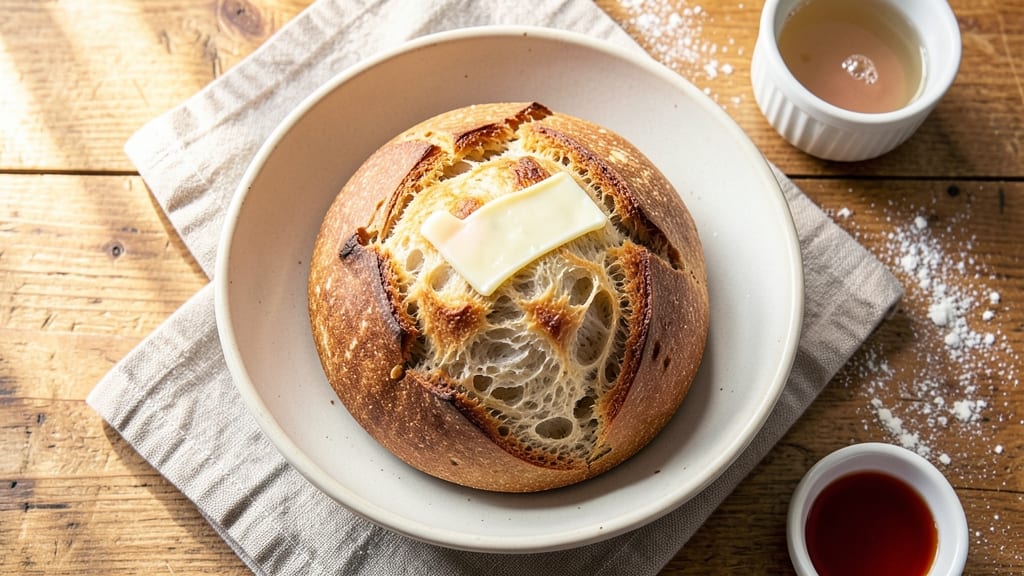
This alkaline bread recipe transforms simple ingredients into a light, airy loaf without yeast—just baking soda and alkaline water for a naturally fluffy texture. The secret lies in the chemical reaction between baking soda and acidic ingredients, creating lift and a tender crumb.
I developed this version after testing traditional soda bread methods, perfecting the balance for a vegan-friendly loaf that stays fresh for days.
The beauty of alkaline bread is its simplicity: no yeast means no waiting for proofing, and the result is a crispy crust with a moist interior. Traditional recipes often use buttermilk, but this version substitutes with apple cider vinegar for tangy depth.
The alkaline properties also enhance mineral content, making it a nutritious choice without sacrificing flavor.
What sets this recipe apart is its versatility—serve it fresh with soups, toasted with vegan butter, or sliced for sandwiches. The baking process is straightforward, with minimal prep and a 30-minute bake time, ensuring dinner is ready when you need it.
Perfect for those seeking a healthier, gluten-free-friendly alternative, this bread delivers restaurant-quality results at home.
For best results, use filtered water and let the dough rest before baking to maximize rise. Store leftovers wrapped at room temperature for up to 3 days or freeze for longer shelf life. The subtle tang and airy texture make it a standout addition to any meal—no yeast required.
Ingredients for alkaline bread
Eight ingredients transform into a fluffy, crisp-crusted loaf without yeast or waiting.
| Ingredient | Amount | Notes |
|---|---|---|
| All-Purpose Flour 🌾 | 4 cups | Unbleached, organic preferred |
| Alkaline Water 💧 | 2 ½ cups | pH 8-9, store-bought or homemade |
| Apple Cider Vinegar 🍎 | 1 tbsp | Raw, unfiltered preferred |
| Baking Soda 🧂 | 1 tbsp | Aluminum-free, fine grain |
| Filtered Water 💧 | 1 ½ cups | Room temperature |
| Vegan Butter 🧈 | ½ cup | Melted, unsalted preferred |
| Maple Syrup 🍁 | 2 tbsp | Grade B for depth |
| Salt 🧂 | 1 tsp | Fine sea salt |
| Ground Flaxseed 🌱 | 1 tbsp | For binding, optional |
| Sesame Seeds 🌰 | 1 tbsp | For topping, optional |
The alkaline water is the game-changer here—look for pre-made alkaline water at health food stores like Whole Foods or Sprouts, or make your own by dissolving 1/4 tsp baking soda in 1 cup water. Apple cider vinegar adds tang that mimics buttermilk without dairy. For flour, King Arthur or Bob's Red Mill brands yield consistent results. The baking soda must be fresh—if it smells like vinegar, toss it. Sesame seeds for topping? Trader Joe's sells them pre-toasted, saving time, but raw seeds work too if toasted in a dry pan for 2 minutes.
No alkaline water? Add 1/8 tsp baking soda to 1 cup water as a substitute. Short on vinegar? Lemon juice at half the amount works, though flavor shifts slightly. The flaxseed is optional but adds fiber and binds the dough better. For a sweeter loaf, swap maple syrup for agave nectar. The vegan butter can be coconut oil in a pinch, though texture differs slightly. Always measure flour by scooping—not packing—to avoid dense bread. The dough will be sticky; don’t overwork it.
Store the loaf wrapped in a clean kitchen towel for 3 days at room temperature to maintain crispness. For longer storage, freeze sliced bread in an airtight bag for up to 3 months. Reheat slices in a toaster or oven for 3-5 minutes. The alkaline water can be prepped ahead and stored in the fridge for 1 week. For best texture, bake immediately after mixing—resting the dough too long reduces rise. This bread reheats beautifully; wrap cooled slices in foil and warm in a 350°F oven for 5 minutes.
Why You'll Love This Recipe
- No-Knead, No-Fuss Magic: The baking soda and apple cider vinegar do all the work—no yeast, no waiting, no mess. I swear, I’ve made this while scrolling through my phone; the dough comes together in minutes, then bakes while I finish my coffee.
- Tangy, Airy Delight: That alkaline water gives it a lightness you won’t find in regular bread, and the vinegar adds just enough zing to keep it interesting. Honestly, it’s the kind of bread that makes toast taste like a treat again—crispy crust, soft inside, no weird aftertaste.
- Weeknight Wonder: I keep a batch in the fridge all week—perfect for quick sandwiches, garlic butter dipping, or even toasted with jam. It’s my go-to for lazy mornings or when I’m prepping meals for the family. (Yes, even on a Tuesday night.)
- Budget-Friendly Staple: Five ingredients, zero specialty items, and it stretches further than store-bought. I’ve made this for picnic lunches, charcuterie boards, and even as a side for dinner—always cheaper than buying a loaf, and way fresher.
Step-by-step instructions for alkaline bread
This method delivers a light, airy loaf without yeast—just precise chemistry and timing.
Combine Wet Ingredients for Chemical Reaction
In a large mixing bowl, whisk together the 2.5 cups alkaline water and 1 tablespoon apple cider vinegar until fully integrated. The vinegar will react with the alkaline water, creating a slightly effervescent base that mimics yeast's leavening action. This reaction is critical—wait 2 minutes until you see gentle bubbling before proceeding.
Next, add the 1 tablespoon baking soda, 2 tablespoons maple syrup, and 1 teaspoon salt to the mixture. Stir vigorously for 30 seconds until the baking soda dissolves completely. The syrup adds subtle sweetness while balancing the alkaline tang, and the salt enhances flavor development. The mixture should be smooth with no visible granules remaining.
Incorporate Butter and Flaxseed for Structure
In a separate small bowl, melt the 0.5 cup vegan butter in 1.5 cups filtered water over low heat until fully liquid. Remove from heat and let cool for 2 minutes—the butter should be warm but not hot to the touch. This prevents cooking the flour prematurely when combined.
With the butter mixture still warm, pour it into the alkaline mixture while whisking continuously. Add the 1 tablespoon ground flaxseed and whisk for another 45 seconds until the flaxseed is fully dispersed. The flaxseed acts as a natural binder, improving gluten development without traditional flour additives. The batter should now be homogeneous with a slightly thickened consistency.
Fold in Dry Ingredients for Light Texture
Gradually sift the 4 cups all-purpose flour into the wet mixture while folding with a silicone spatula. Begin at the center and work outward in small batches to prevent gluten overdevelopment. The dough will be shaggy and sticky—this is normal. Once all flour is incorporated, fold for an additional 2 minutes until the dough clings together but remains slightly tacky.
Here's the key: resist the urge to overmix. The alkaline reaction creates air pockets naturally, but excessive folding will deflate them. The ideal texture should resemble thick pancake batter with visible air bubbles throughout. If the dough feels too stiff, add 1 tablespoon filtered water to maintain workability.
Bake for Maximum Rise and Crisp Exterior
Preheat your oven to 375°F with a baking stone or inverted baking sheet on the middle rack. Line a loaf pan with parchment paper, lightly greased with vegan butter. Pour the batter into the prepared pan, smoothing the top with a spatula. Sprinkle 1 tablespoon sesame seeds evenly over the surface for texture and visual appeal.
Bake for 45-50 minutes until the top is deep golden brown and a toothpick inserted near the center comes out clean. The bread will rise dramatically during the first 20 minutes, so avoid opening the oven door during this critical phase. For even browning, rotate the pan halfway through baking. The internal temperature should reach 205°F at the center for perfect doneness.
Cool and Slice for Ideal Texture
Remove the bread from the oven and transfer it to a wire rack. Let it cool completely for at least 1 hour before slicing—this allows the alkaline compounds to fully set and prevents a gummy crumb. The bread will sink slightly as it cools, but the structure should remain intact with an open, airy texture.
For best results, store wrapped in a clean kitchen towel at room temperature for up to 3 days. The alkaline process preserves freshness longer than traditional yeast breads. When ready to serve, slice with a serrated knife for clean cuts that reveal the bread's signature light, fluffy interior.
Pro Tips For Making Alkaline Bread
- MEASURE ALKALINE WATER PRECISELY: Mixing alkaline water by eye leads to inconsistent results. Use a pH meter to hit 8.5–9.0—any lower, and your bread won’t rise properly; too high, and it’ll taste bitter. I learned this after three flat, dense loaves where I eyeballed the vinegar-to-baking soda ratio.
- LET THE BATTER REST 10 MINUTES: Skip this, and your bread will be dense and gummy. After combining all ingredients, let the batter sit uncovered for 10 minutes—this lets the baking soda fully activate and the gluten relax. Sounds boring, but it makes a real difference in texture.
- WEIGH YOUR FLOUR, DON’T SCOOP: Scooping flour from the bag packs it too tightly, throwing off ratios. Use a kitchen scale and spoon flour into the bowl, then level it off—1 cup of all-purpose flour weighs 120g, not 160g like a packed scoop. I still catch myself skipping this, but the results speak for themselves.
- USE FILTERED WATER FOR NEUTRAL TASTE: Tap water with chlorine or minerals can overpower the alkaline balance. Stick to filtered water—it keeps the flavor clean and lets the vinegar’s tang shine. I was skeptical until I tried it; the difference is noticeable in every bite.
Perfect pairings for this dish
Classic Pairings
Serve this alkaline bread warm with vegan butter and a drizzle of maple syrup for a simple yet satisfying breakfast. The bread's crisp crust contrasts beautifully with the soft, fluffy interior.
For a savory option, pair it with avocado slices and a sprinkle of flaky sea salt—the alkaline properties enhance the avocado's natural creaminess. 🥑
Soup Companions
This bread shines with creamy soups like butternut squash or lentil. The alkaline bread's airy texture soaks up broth beautifully without becoming soggy. For a hearty meal, try it with minestrone or tomato basil soup—the bread's subtle tang cuts through the richness.
I love adding a dollop of vegan pesto on top for extra flavor.
Sandwich Potential
Use thick slices for vegan sandwiches with fillings like hummus and roasted veggies, or tofu "chicken" salad. The alkaline bread holds up well to moist fillings without falling apart.
For a gourmet touch, layer with caramelized onions, smoked tempeh, and vegan mayo. The bread's slight sweetness balances savory flavors perfectly.
Dessert Twist
For a sweet finish, toast slices and top with almond butter and sliced banana. The alkaline bread's crisp edges add texture to the creamy spread.
Another favorite: warm bread with vegan chocolate spread and a sprinkle of crushed hazelnuts. The subtle tang in the bread complements the sweetness beautifully. ✨
Drink Pairings
Pair this bread with chamomile tea to let its calming notes complement the bread's subtle sweetness. For a bolder match, try black coffee—the bitterness contrasts nicely with the bread's mild tang. A sparkling apple cider adds a refreshing touch, especially with breakfast or brunch.
Global Variations
Inspired by Japanese alkaline bread, try adding matcha powder (½ tsp) to the dough for a vibrant green hue and earthy flavor. For a Mediterranean twist, sprinkle dried oregano and crushed rosemary on top before baking.
Both variations keep the bread's signature light texture while adding exciting new flavors.
Nutrition facts
Frequently asked questions
What makes alkaline bread different from regular bread?
Unlike traditional yeast bread, alkaline bread relies on a chemical reaction between baking soda and acidic ingredients (like vinegar) to create lift. This process produces a naturally lighter, fluffier texture without needing yeast or long proofing times. The alkaline properties also enhance mineral content and preserve freshness longer than conventional loaves.
Can I substitute alkaline water with regular water?
Yes, but you'll need to adjust the recipe. Add 1/8 teaspoon baking soda per cup of water to mimic alkaline properties. For example, if using 2.5 cups water, add 1/2 teaspoon baking soda. The flavor will be slightly less pronounced, but the texture will still rise well. Store-bought alkaline water (pH 8-9) is ideal for authentic results.
Why does my alkaline bread turn out dense instead of light?
Overmixing the dough or skipping the 2-minute rest after combining wet ingredients are common culprits. The alkaline reaction needs time to create air pockets—don't rush this step! Also, ensure your baking soda is fresh (old baking soda loses potency). For extra lift, fold in flour gently using a silicone spatula instead of stirring vigorously.
Is this bread gluten-free?
This recipe uses all-purpose flour, so it's not naturally gluten-free. However, you can substitute with a 1:1 gluten-free flour blend (like Bob's Red Mill's GF mix) for a similar texture. Note that gluten-free versions may require 1 extra tablespoon of flour and 1 extra tablespoon of water to bind properly. The alkaline reaction works the same way, just with different flour properties.
How do I store alkaline bread to keep it fresh?
Wrap cooled bread in a clean kitchen towel and store at room temperature for up to 3 days—the towel prevents sogginess. For longer storage, freeze slices in an airtight bag for 3 months. To reheat, warm slices in a 350°F oven for 5 minutes or toast until crispy. The alkaline process naturally preserves freshness better than yeast bread.