
Side Dishes
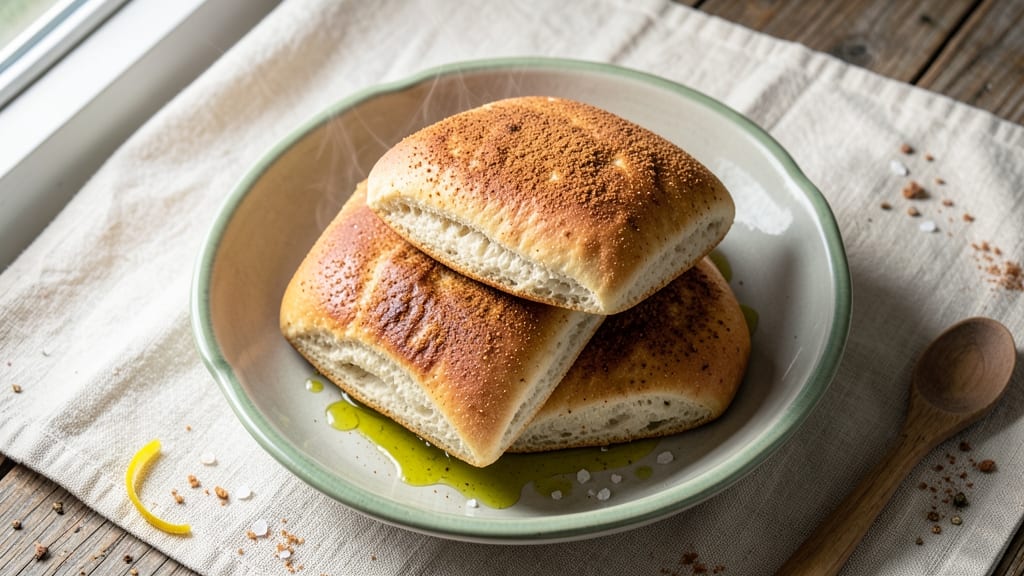
Algerian bread brings the warmth of North African kitchens to your table with its signature spice-infused crust and buttery softness that melts in your mouth. This traditional recipe for khobz—the everyday bread of Algeria—requires just five simple ingredients but delivers layers of flavor that elevate any meal.
The secret lies in the dough's balance of olive oil and warm spices, which create that signature crispy exterior while keeping the interior tender and pillowy.
What sets this bread apart is its versatility—perfect for serving alongside couscous, dipping into stews, or simply enjoying with olive oil and za'atar. The dough comes together in minutes, but the real magic happens during the slow rise and careful shaping.
Unlike many bread recipes, this one doesn't require a bread machine or specialized equipment, making it accessible for home cooks while still delivering restaurant-quality results.
The cooking process is where the bread transforms from simple dough to something extraordinary. Pan-frying each round creates those coveted golden-brown spots and a crispy crust, while the interior remains soft and slightly chewy.
The aroma alone—warm spices mingling with olive oil—will have everyone at your table asking for seconds. This is bread that feels special enough for guests but simple enough for weeknight dinners.
Once you try this recipe, you'll understand why Algerian bread is a staple across North Africa. The technique is foolproof, and the results are consistently delicious, whether you're making a batch for a family meal or prepping ahead for the week.
Let's get started on this flavorful journey to your kitchen table.
Ingredients for algerian bread
Five simple ingredients plus spices that transform into golden, pillowy khobz bread.
| Ingredient | Amount | Notes |
|---|---|---|
| All-Purpose Flour 🌾 | 5 cups | Unbleached preferred for best texture |
| Active Dry Yeast 🍞 | 2 ¼ tsp | One packet for convenience |
| Extra-Virgin Olive Oil 🫒 | ½ cup | High quality, fruity variety |
| Granulated Sugar 🍚 | 1 tbsp | Helps yeast activation |
| Salt 🧂 | 1 ½ tsp | Fine sea salt preferred |
| Ground Cinnamon 🌿 | ½ tsp | Warm spice for authentic flavor |
| Ground Coriander 🌿 | ½ tsp | Citrusy warmth essential |
| Ground Anise Seed 🌶️ | ¼ tsp | Licorice-like depth (optional) |
| Warm Water 💧 | 1 ½ cups | 110°F for yeast activation |
| Unsalted Butter 🧈 | 2 tbsp | Softened for shaping rounds |
| Coarse Sea Salt 🧂 | 1 tbsp | For final crust sprinkle |
The flour is your foundation—King Arthur or Gold Medal brands work best for that tender crumb. Yeast can be tricky if old, so check the date—Fresh Yeast from the refrigerated section at Whole Foods or Trader Joe's stays potent longer. Olive oil matters here; California Extra Virgin or Colavita add that fruity depth. The spices? Penzeys Spices has pre-mixed Algerian spice blends if you want to skip measuring, but I always toast my whole spices first for extra aroma. That warm water? 110°F is ideal—too hot kills yeast, too cold makes it sluggish.
No cinnamon? Cardamom at half the amount works in a pinch. Short on coriander? Cumin plus a pinch of orange zest mimics that citrusy note. The anise is optional but worth it—Trader Joe's sells whole anise seeds you can grind fresh. For the butter, Plugrá or Land O'Lakes are reliable, but any unsalted works. If you're gluten-free, swap flour for a 1:1 gluten-free blend plus xanthan gum. The dough should be soft but not sticky—add flour 1 tbsp at a time if needed. And yes, you can make this in a stand mixer with a dough hook, but hand-kneading gives better texture
Dough keeps 2 days in the fridge wrapped tightly in plastic. For longer storage, freeze shaped rounds on a tray, then transfer to a bag—3 months works fine. The spices lose potency after 6 months, so store them in airtight containers away from light. Once baked, these rounds stay fresh 3 days at room temperature wrapped in a clean towel. Pro tip: Reheat slices in a dry pan for 30 seconds to restore that crispy crust. Makes enough for a week's worth of dipping bread—trust me, you'll go through it fast.
Why You'll Love This Recipe
- No-Knead Magic: I swear by this dough—just mix, let it rise, and bake. No punishing kneading or waiting hours; the yeast does all the work while I sip tea.
- Olive Oil Luxe: That rich, fruity olive oil brush? It’s the secret weapon—crispy crust, tender crumb, and a subtle Mediterranean warmth that makes every bite feel like a little vacation.
- Breakfast to Dinner: Tear it for toast with jam, drizzle honey on yogurt, or serve with soups—it’s my go-to for lazy mornings and hearty weeknight meals. Honestly, I’ve never met a bread that does more.
- Budget Stretch: Five ingredients, endless uses. A single batch feeds my family for days, and the leftovers? Perfect for croutons, garlic bread, or crumbs to thicken sauces—zero waste.
Step-by-step instructions for Algerian bread
Here's how to craft this aromatic, spice-kissed bread with a crisp crust and tender crumb.
Activate the Yeast and Mix the Dough
In a large mixing bowl, combine the 1.5 cups warm water with the 1 tbsp granulated sugar and let it sit for 5 minutes until slightly foamy. Sprinkle the 2.25 tsp active dry yeast over the water and stir gently. Let it sit for another 5-10 minutes until it bubbles vigorously—this confirms your yeast is alive and ready to work.
In a separate bowl, whisk together the 5 cups all-purpose flour, 1.5 tsp salt, 0.5 tsp ground cinnamon, 0.5 tsp ground coriander, and 0.25 tsp ground anise seed. Make a well in the center and pour in the yeast mixture along with the 0.5 cup extra-virgin olive oil. Using a wooden spoon, stir until a shaggy dough forms, then turn it out onto a lightly floured surface.
Knead Until Smooth and Elastic
Knead the dough for 8-10 minutes by hand, or use a stand mixer with a dough hook attachment for 5-6 minutes on medium speed. You're looking for a dough that's smooth, elastic, and springs back slightly when poked. If it feels too sticky, add flour 1 tablespoon at a time—but don't overdo it, or your bread will turn out dense.
Here's the thing—this dough needs to develop gluten properly for that perfect texture. When you press your finger into the dough and it leaves a slight indentation that slowly fills back in, you know you're on the right track. Once achieved, shape the dough into a round ball, place it back in the bowl, cover with a damp towel, and let it rise in a warm place for 1-2 hours or until it doubles in size.
Shape and Proof the Dough
Turn the risen dough onto a lightly floured surface and divide it into 8 equal pieces. Roll each piece into a smooth ball, then flatten slightly into a round shape about 1 inch thick. Arrange them on a parchment-lined baking sheet, spacing them about 2 inches apart—they'll expand as they proof.
Cover the baking sheet with a damp towel and let the dough rise again for another 30-45 minutes until puffy. The edges should pull away slightly from the center, and the dough should feel light and airy when pressed gently. This second rise is crucial for that signature Algerian bread texture—don't skip it!
Bake to Golden Perfection
Preheat your oven to 375°F. Brush the tops of each dough round with a little melted unsalted butter, then sprinkle generously with 1 tbsp coarse sea salt. Bake for 20-25 minutes until the bread is golden brown and sounds hollow when tapped on the bottom. The crust should be crisp, while the interior remains soft and pillowy.
Real talk: if the tops brown too quickly, tent the baking sheet loosely with aluminum foil after 15 minutes to prevent over-browning while the centers finish cooking. Once baked, let the bread cool on a wire rack for 10 minutes before serving—this prevents the crust from becoming soggy.
Pro Tips For Making Algerian Bread
- TEST YEAST FIRST: Skip straight to mixing if you’re unsure—proof that yeast first. Toss 1 teaspoon of sugar and the yeast into warm water (not hotter than 110°F) and wait 5–10 minutes for bubbles. If nothing happens, your yeast is dead or your water’s too hot, and you’ve just saved yourself a sad, flat loaf.
- KNEAD UNTIL GLUTEN STRETCHES: This isn’t a light dough—push it until it springs back when poked. By hand, aim for 8–10 minutes; a stand mixer with a dough hook works faster but don’t rush past 5 minutes. Overworked dough gets tough, but underworked dough collapses like a sad soufflé.
- OIL THE BOWL WELL: Coat every inch of your mixing bowl with olive oil—yes, even the sides. The dough sticks less, and you won’t waste energy scraping it off later. Use your fingers to spread it thin; leftover oil in the bowl is better than dough clinging like glue.
- LET IT RISE TWICE: The first rise is obvious, but the second one after shaping is where magic happens. Place the dough seam-side up on a floured surface, cover, and let it puff for another 30–45 minutes. This builds flavor and structure—cutting corners here means a dense, flavorless loaf.
Regional styles of this algerian bread
Moroccan Khobz
This classic Algerian bread, known as khobz, is the everyday staple you'll find in Moroccan markets and homes. The dough is enriched with olive oil and a pinch of cinnamon, giving it a subtle warmth that pairs perfectly with harissa-spiced dishes or tagines.
In Morocco, it's often baked in clay ovens, but your home oven works just as well. For an authentic touch, brush the baked rounds with melted ghee instead of butter before serving. 🌿
Tunisian Msemen
While not strictly Algerian, msemen (or "flaky pancakes") is a beloved cousin from Tunisia that shares the same spiced dough base. The key difference? After shaping into rounds, msemen are pan-fried twice—once to set the shape, then again after a brief rest.
This creates those signature puffed, crispy layers. Use the same dough recipe but reduce the olive oil to ¼ cup for a lighter texture. Serve with date syrup or honey for breakfast. ✨
Eastern Algerian Variations
In eastern Algeria, near the Tunisian border, bread often incorporates sesame seeds into the dough for extra crunch. Sprinkle 1 tablespoon sesame seeds on top before the final proof, or press them into the dough when shaping.
Another regional twist is adding a pinch of saffron to the warm water for a golden hue and floral aroma. This version pairs beautifully with merguez sausage or lamb stews. 💛
Spiced Flatbread for Sandwiches
For a modern twist, shape the dough into rectangles instead of rounds and bake until crisp. These make incredible Algerian-style sandwiches—stuff with grilled chicken, pickled vegetables, and a spicy mayo made with harissa and Greek yogurt.
The spices in the dough infuse the filling with warmth, creating a sandwich that's both comforting and complex. Perfect for lunchboxes or quick meals. 🥪
Sweet Algerian Briouats
Transform your dough into sweet briouats by rolling it thin, brushing with melted butter, and sprinkling with powdered sugar before baking. Cut into diamonds or triangles for easy serving.
These crispy, buttery treats are often enjoyed with mint tea during celebrations. For extra indulgence, fill the unbaked rounds with chopped dates and almonds before sealing. 🍯
Nutrition facts
Frequently asked questions
Can I make this Algerian bread without yeast?
Traditional Algerian bread relies on yeast for that signature light, airy texture, but you can make a quick version using baking powder. Replace the yeast with 2 tsp baking powder and 1 tsp baking soda, reduce the water by 0.25 cup, and bake immediately—no rising needed! The result will be denser but still delicious for sandwiches or dipping.
How do I store leftover Algerian bread?
Wrap cooled bread tightly in a clean kitchen towel or plastic wrap to maintain crispness. Store at room temperature for 3 days or freeze shaped rounds for up to 3 months. To revive stale bread, warm slices in a dry skillet for 20-30 seconds per side until crispy again. The spices keep best when stored in airtight containers.
Why did my bread turn out dense instead of pillowy?
Dense bread usually means over-kneading, under-proofing, or too much flour. Check your dough: it should spring back slowly when pressed. If you skipped the second rise or used old yeast, the gluten didn't develop properly. For next time, reduce kneading to 5-6 minutes and ensure both rises happen in a warm spot (like a turned-off oven with a bowl of hot water).
Can I substitute the spices?
Skip anise and use 0.5 tsp cardamom for warmth, or swap coriander for cumin plus orange zest. For a savory twist, add 0.25 tsp smoked paprika. The key is balancing sweet and earthy notes—if omitting spices, increase cinnamon to 1 tsp for depth. Always toast whole spices first for maximum flavor!
What's the best way to serve this bread?
Warm bread pairs perfectly with olive oil and za'atar, spiced lamb stews, or Moroccan couscous. For breakfast, serve with labneh and honey, or use as a wrap for grilled meats. The crispy crust makes it ideal for dipping—try harissa yogurt sauce or garlic-infused oil. Save a round for French toast the next day!