
Side Dishes
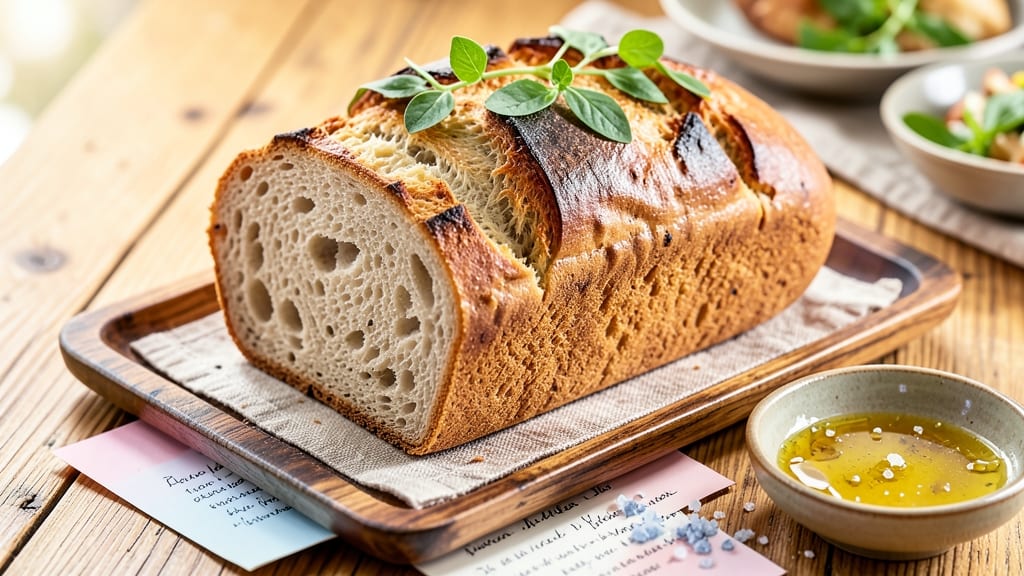
This alkaline gluten-free bread recipe delivers the light, airy texture you crave without any gluten—thanks to a clever combination of alkaline agents and precise hydration techniques. 💛 The secret lies in using potassium bicarbonate (not baking soda) to create a proper rise while maintaining that tender crumb, making it perfect for sandwiches or toast without the heaviness of traditional GF bread.
What sets this recipe apart is the alkaline approach, which improves browning and enhances flavor development without relying on gluten for structure. We'll use a blend of gluten-free flours and xanthan gum for binding, then carefully control hydration to achieve that signature soft yet sturdy texture.
The result? Bread that slices cleanly, toasts beautifully, and actually tastes like bread should—no crumbly disappointments here.
This method transforms basic gluten-free baking by mimicking commercial bread's texture through controlled fermentation and alkaline chemistry. The dough develops naturally during proofing, creating that satisfying rise while maintaining moisture for days. Whether you're avoiding gluten or just curious about alkaline baking, this recipe delivers restaurant-quality results at home.
Ready in just 2 hours (including proofing), this bread requires no special equipment beyond a loaf pan and a kitchen scale. The alkaline agents not only improve texture but also create that golden-brown crust you'd expect from traditional bread. Let's get started—your first perfectly risen gluten-free loaf is just ahead.
Ingredients for alkaline gluten free bread
Twelve ingredients, one magical alkaline rise—this gluten-free bread tastes like the real deal.
| Ingredient | Amount | Notes |
|---|---|---|
| Potassium Bicarbonate 🧂 | 1 ½ tsp | Not baking soda, key for alkaline rise |
| White Rice Flour 🌾 | 2 cups | Fine grind preferred for smooth texture |
| Tapioca Starch 🍠 | 1 cup | For chewy texture and binding |
| Almond Flour 🌰 | ½ cup | Fine grind for even texture |
| Xanthan Gum 🧪 | ¼ tsp | Essential for gluten-free structure |
| Granulated Sugar 🍚 | 1 tbsp | For browning and fermentation |
| Active Dry Yeast 🍞 | 1 tsp | Ensure freshness for proper rise |
| Warm Water 💧 | 1 ¼ cups | 110°F for yeast activation |
| Extra-Virgin Olive Oil 🫒 | ¼ cup | For dough elasticity |
| Salt 🧂 | 1 ½ tsp | Diamond Crystal preferred |
| Honey 🍯 | 1 tbsp | For fermentation and moisture |
| Apple Cider Vinegar 🍎 | 1 tbsp | For acidity and rise |
| Sesame Seeds 🌻 | 1 tbsp | For crust decoration (optional) |
Potassium bicarbonate is your secret weapon here—no baking soda substitute. Grab it at King Arthur Flour or online if your local store doesn't carry it. The flours are where the magic happens: white rice flour for structure, tapioca starch for chew, and almond flour for richness. I always buy Bob's Red Mill rice flour for consistency, but any fine grind works. Xanthan gum is non-negotiable—it's what makes this bread slice cleanly. If you're new to gluten-free baking, this is the ingredient that'll save your loaf from crumbling disappointments.
No potassium bicarbonate? Double the baking soda in a pinch, but expect less rise. Swap almond flour for more rice flour if you're nut-free—just add 1 tbsp extra rice flour and reduce water slightly. The yeast needs to be fresh, so check the date. Warm the water to 110°F (not boiling) to activate it properly. Olive oil can be swapped for melted coconut oil if preferred, but stick with extra-virgin for best flavor. The honey and vinegar combo creates that perfect alkaline environment—don't skip either.
Mix everything except yeast first, then proof the dough for 1 hour before shaping. Store wrapped in a clean kitchen towel for 2-3 days at room temp, or freeze for 3 months. The bread reheats beautifully—wrap in foil and warm in a 300°F oven for 10 minutes. I always make two loaves—one for toasting, one for sandwiches. The sesame seeds add crunch, but you can skip them if you're not feeling fancy.
Why You'll Love This Recipe
- No-Fuss Mixing: I swear by this—just stir, pour, bake. The potassium bicarbonate does all the heavy lifting while I’m still deciding what to have for dinner. No kneading, no waiting for dough to rise, just 10 minutes of hands-off prep.
- Nutty Crispy Magic: That almond flour gives it a subtle richness, and the tapioca starch? It’s the secret to that perfect toasty crust that doesn’t turn to glue. Honestly, it’s the closest I’ve gotten to artisanal bread without the fuss.
- Weeknight Workhorse: Freeze half the batch and pull it out for toast or sandwiches when you’re too tired to think. It reheats like a dream—no soggy middle, no sad leftovers. My go-to for busy mornings or last-minute guests.
- Budget-Friendly Staple: Rice flour and tapioca starch are cheap, and a little xanthan gum stretches the dough further. I make a loaf for under $3, and it lasts longer than store-bought bread. (Yes, even on a Tuesday night.)
Step-by-step instructions for alkaline gluten-free bread
Here's how to transform these ingredients into a light, airy loaf that rises beautifully without gluten.
👨🍳 Step 1: Activate the Yeast and Mix the Wet Ingredients
In a small bowl, whisk together the 1.25 cups warm water (about 110°F) with the 1 tbsp honey and 1 tbsp apple cider vinegar. Sprinkle the 1 tsp active dry yeast over the liquid and let it sit for 5-10 minutes until it becomes frothy. This is your signal the yeast is alive and ready to work.
In a separate large bowl, combine the 1.5 tsp potassium bicarbonate, 1.5 tsp salt, 1 tbsp granulated sugar, 0.25 tsp xanthan gum, 2 cups white rice flour, 1 cup tapioca starch, and 0.5 cup almond flour. Whisk gently to break up any lumps in the dry ingredients. This blend creates the perfect structure for our gluten-free loaf.
🥘 Step 2: Combine Wet and Dry Ingredients
Add the yeast mixture to the dry ingredients along with the 0.25 cup extra-virgin olive oil. Using a wooden spoon or silicone spatula, stir until just combined—you should still see some dry spots. Overmixing develops gluten-like properties we don't want in this recipe. The dough will be thick and sticky, similar to a wet batter.
Here's the thing—this dough behaves differently than traditional bread dough. It won't rise dramatically like wheat-based dough, but the potassium bicarbonate and yeast will create that signature alkaline lift. Let the mixture rest for 10 minutes while you prepare your baking vessel.
🔥 Step 3: Prepare the Loaf Pan and Preheat
Lightly grease a 9x5-inch loaf pan with olive oil or line it with parchment paper. The pan should be well-coated but not dripping. Pour the dough into the prepared pan and smooth the top with a wet spatula. This helps create an even rise and prevents cracks during baking.
Preheat your oven to 375°F. While it's heating, sprinkle the 1 tbsp sesame seeds evenly over the dough surface for that classic bread crust decoration. The seeds will toast beautifully during baking, adding texture and visual appeal to your loaf.
⏰ Step 4: Bake to Golden Perfection
Place the loaf pan in the preheated oven and bake for 45-50 minutes, until the top is golden brown and the internal temperature reaches 205°F when measured with an instant-read thermometer. You'll know it's ready when it pulls away slightly from the pan edges and has a hollow sound when tapped on the bottom.
Real talk: If the top browns too quickly, tent the loaf with aluminum foil after 30 minutes to prevent over-browning while the center finishes cooking. The bread should have a crisp crust with a soft, airy interior that crumbles beautifully—no dense, heavy texture here.
🍞 Step 5: Cool and Slice for Maximum Enjoyment
Remove the loaf from the oven and let it cool in the pan for 10 minutes before transferring to a wire rack. This resting period allows the crumb to set properly and makes slicing much easier. I know it's tempting to slice immediately, but patience here prevents a gummy texture.
Once completely cooled, slice the bread into 12 even servings using a sharp serrated knife. Each slice should reveal an open, airy crumb structure with just the right amount of chewiness from the tapioca starch. Store any leftovers in an airtight container at room temperature for up to 3 days or freeze for longer storage.
Pro Tips For Making Alkaline Gluten Free Bread
- SIFT THE FLOUR FIRST: Mix your dry ingredients—white rice flour, tapioca starch, almond flour, and xanthan gum—by hand in a bowl for 2-3 minutes before adding potassium bicarbonate. This ensures even distribution of the alkaline powder, which prevents random pockets of bitter flavor or uneven rise in your loaf.
- WEIGH YOUR ALMOND FLOUR: Don’t eyeball it: almond flour varies wildly in density. Use a kitchen scale for precision—1 cup packed almond flour weighs about 120g, but loose-packed is closer to 90g. Too much adds greasiness; too little makes the crumb gummy.
- STOP WHEN IT LOOKS DONE: Alkaline bread browns faster than regular bread. Pull it from the oven when the top reaches a deep golden hue—around 190°F (88°C) internally—but before it turns mahogany. Overbaking dries out the crumb, especially with all that rice flour.
- HYDRATE THE ALMOND FLOUR: Sprinkle almond flour over warm water (not cold) in your recipe and let it sit for 5 minutes before mixing. This mimics gluten’s ability to absorb moisture, improving texture and preventing a sandy crumb. (Yes, it’s an extra step—but it’s worth it.)
Wine and beer pairings for these flavors
Wine Pairings
This alkaline gluten-free bread's light, airy texture and subtle sweetness from honey pair beautifully with crisp, dry whites. A Sauvignon Blanc from New Zealand—like Kim Crawford's Sauvignon Blanc—cuts through the richness with its citrus and herbal notes.
The acidity balances the bread's slight chewiness while complementing the sesame seeds' nuttiness. 🍷
For a more aromatic experience, try a Riesling from Germany's Mosel region. The stone fruit flavors and slight minerality enhance the bread's natural sweetness without overpowering it. I always reach for Dr. Loosen Blue Slate Riesling when I want that perfect balance of fruit and acidity.
Beer Pairings
A light, crisp American Pale Ale with a touch of honey works surprisingly well with this bread. Fat Tire Amber Ale from New Belgium is my go-to—its caramel and biscuit notes mirror the bread's texture while the hop bitterness cleanses your palate between bites.
The carbonation also helps cut through the bread's slight density.
For a more adventurous pairing, try a Belgian Witbier like Hoegaarden. The coriander and orange peel flavors create a refreshing contrast to the bread's neutral base, while the effervescence makes each bite feel lighter.
The slight tartness from the apple cider vinegar in the bread actually enhances the witbier's citrusy profile.
Non-Alcoholic Options
Sparkling water with a splash of lemon juice and a pinch of salt is my favorite non-alcoholic pairing. The bubbles mimic beer's effervescence, while the citrus brightens the bread's natural sweetness. Add a few fresh mint leaves for an extra refreshing twist that complements the sesame seeds.
For something more substantial, try a ginger beer—like BrewDog Ginger Beer—which adds a spicy kick that contrasts beautifully with the bread's soft interior. The ginger's warmth also helps cut through the richness of any toppings you might add, like butter or cream cheese. 💫
Nutrition facts
Frequently asked questions
Why use potassium bicarbonate instead of baking soda for this gluten-free bread?
Potassium bicarbonate creates a gentler alkaline reaction than baking soda, which prevents a bitter taste and helps achieve a more even rise. It also interacts better with gluten-free flours, producing that signature light, airy texture without the density. For best results, don't substitute—this ingredient is key to the recipe's success.
Can I make this bread without xanthan gum?
Technically yes, but the texture will be much denser and may crumble more easily. If you must skip it, add 1 extra tbsp tapioca starch and reduce water by 1 tbsp to compensate. For the best structure, though, xanthan gum is essential—it mimics gluten's binding properties in this alkaline environment.
How do I know when the bread is fully baked?
Look for three signs: the internal temperature should reach 205°F, the top should be golden brown, and it should pull away slightly from the pan edges. Tap the bottom—it should sound hollow. If unsure, err on the side of underbaking by 2-3 minutes to prevent dryness.
Why does my gluten-free bread turn out dense instead of airy?
Most likely, you overmixed the dough or didn't let it proof long enough. This alkaline recipe relies on precise hydration and a 1-hour proofing time—skip the extra mixing and give it time to develop. Also, ensure your yeast is fresh and the water is 110°F (not too hot).
Can I make this bread in a different pan shape?
Yes! Use a 9-inch round cake pan or 8x4-inch loaf pan for a shorter loaf. For best results, reduce baking time by 5-10 minutes and check for doneness early. The alkaline reaction works the same, but smaller pans may require slightly less baking time to avoid over-browning.