
Side Dishes
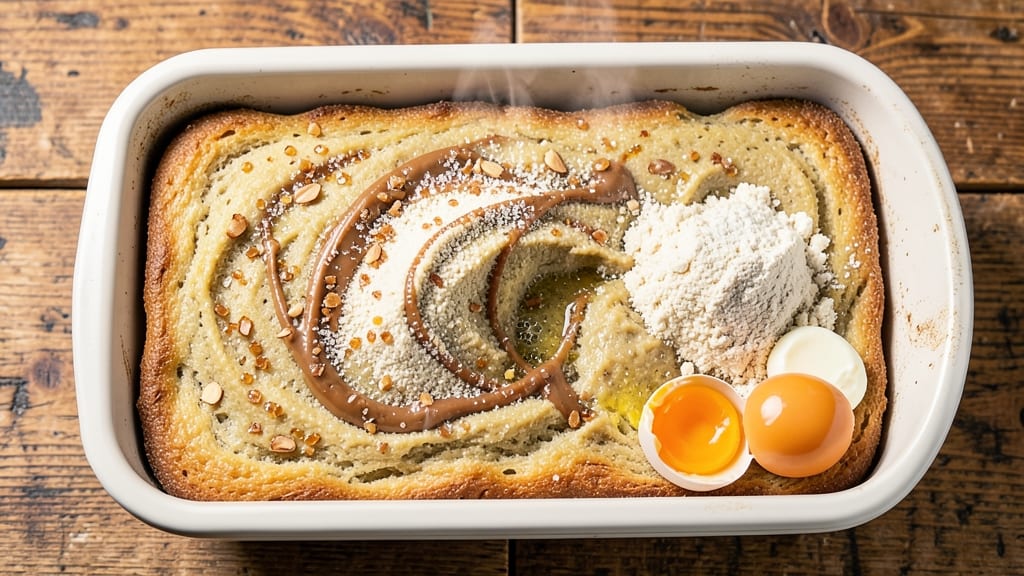
This almond bread machine recipe transforms your kitchen into a bakery with just five ingredients and minimal effort. The secret lies in the perfect balance of hydration and almond flour, creating a tender crumb with a subtle nutty aroma that fills your home as it bakes.
Unlike traditional bread recipes, this version relies entirely on your bread machine's cycles to handle the kneading and rising—no manual labor required.
The magic happens when you combine almond flour's natural moisture retention with the bread machine's precise kneading cycle, resulting in a loaf that's both moist and airy. No special tools are needed beyond what comes with your machine, and the dough's gentle swirl of almond butter creates pockets of rich flavor in every slice.
This recipe is designed specifically for bread machines, ensuring consistent results whether you're using a basic model or an advanced one.
What you'll end up with is a golden-brown loaf with a crisp crust and tender interior, where every bite reveals layers of nutty sweetness.
The bread machine handles all the heavy lifting—kneading, rising, and baking—while you prepare the almond butter swirl. Perfect for breakfast toast, sandwiches, or pairing with soups, this loaf keeps well for days, making it ideal for meal prep.
For best results, follow the bread machine's manufacturer instructions for your specific model, particularly regarding pan size and cycle selection. The dough's unique texture requires slightly longer baking times than traditional bread, but the machine's built-in sensors ensure it's done just right. Let's get started on this effortless, nutty masterpiece.
Ingredients for almond bread machine
Five simple ingredients transform your bread machine into a nutty masterpiece.
| Ingredient | Amount | Notes |
|---|---|---|
| Almond Flour 🌰 | 3 cups | Fine grind for best texture |
| Almond Butter 🥜 | ½ cup | Natural, unsweetened variety |
| Granulated Sugar 🍚 | ¼ cup | White or light brown |
| Active Dry Yeast 🍞 | 1 ½ tsps | Ensure yeast is fresh |
| Warm Water 💧 | 1 cup | 110°F for yeast activation |
| Large Eggs 🥚 | 1 whole | Room temperature preferred |
| Unsalted Butter 🧈 | ¼ cup | Softened, not melted |
| Salt 🧂 | ½ tsp | Fine sea salt preferred |
| Vanilla Extract 🌸 | 1 tsp | Pure vanilla preferred |
| Milk 🥛 | ¼ cup | Warm, any variety |
| Olive Oil 🫒 | 1 tbsp | For dough greasing |
Almond flour is the star here—Bob's Red Mill or King Arthur are my go-tos for consistency. The finer the grind, the smoother your loaf will be. Trader Joe's often carries a great pre-ground version if you're short on time. For the almond butter, natural, unsweetened is a must—skip the sugary versions. The yeast needs to be fresh, so check the expiration date. If it's been sitting in your pantry for months, toss it. Warm water activates the yeast perfectly—110°F is ideal, but don't stress if you eyeball it. The butter should be soft enough to press into the dough but not melted—room temperature is key.
No almond flour? Substitute with 2 cups all-purpose flour plus 1/4 cup cornstarch—it won't taste the same, but it'll work in a pinch. Out of almond butter? Peanut butter works too, though the flavor shifts. The vanilla extract can be swapped for 1/2 tsp vanilla sugar if you're out. For the milk, any kind will do—dairy, almond, or oat. The olive oil is just for greasing the pan, so any neutral oil will suffice. If you're using a bread machine for the first time, read the manual—pan sizes vary wildly, and you don't want to end up with a loaf that's too tall for the machine.
This dough is delicate—don't overwork it. The bread machine does all the heavy lifting, but follow your machine's instructions for cycle times. The loaf keeps well for 3-4 days at room temperature, wrapped in a towel to maintain moisture. For longer storage, slice and freeze—up to 3 months. Reheat slices in a toaster or oven for that fresh-baked feel. The swirl of almond butter makes every slice special, so don't skip it—it's what turns this into a showstopper.
Why You'll Love This Recipe
- No Yeast Mess: I dump the yeast straight into the bread machine’s water—no measuring cups, no sticky hands. The machine handles the blooming while I sip coffee, and the almond butter’s rich texture does all the heavy lifting.
- Rich Without Guilt: That creamy almond butter and flour combo delivers a dense, buttery crumb that tastes like a bakery loaf, but with half the carbs. Honestly? It’s the kind of bread I’ll eat straight from the pan, no shame.
- Breakfast or Snack: Slice it toasted for a protein-packed breakfast or pack it for lunch—it holds up for days. My kids grab it for school, and I save slices for my morning smoothie (yes, really).
- Budget-Friendly Luxury: Almond flour and butter might sound fancy, but a single batch stretches into toast, sandwiches, or French toast for days. I make two loaves at once and freeze half—no wasted dough, just pure satisfaction.
Step-by-step instructions for almond bread machine recipe
Here's how to create a moist, nutty loaf with minimal effort—your bread machine does all the hard work.
Mix the Wet and Dry Ingredients Separately
In a large mixing bowl, combine the 3 cups almond flour, 0.25 cup granulated sugar, 1.5 teaspoons active dry yeast, and 0.5 teaspoon salt. Whisk until evenly distributed—this ensures balanced flavor and proper rise. In a separate bowl, mix the 1 whole large egg, 0.25 cup softened unsalted butter, 0.25 cup warm milk, 1 teaspoon vanilla extract, and 0.5 cup almond butter. The almond butter adds richness and that signature nutty flavor, so don't skip blending it smooth first.
Here's the thing—almond flour absorbs moisture differently than regular flour. To compensate, we're adding the wet ingredients separately. This prevents a gummy texture while keeping the bread tender. Let the wet mixture sit for 5 minutes at room temperature while you prep the bread machine.
Combine and Prepare the Dough
Pour the wet mixture into the dry ingredients and stir with a wooden spoon until fully incorporated. The dough will be thick and sticky—this is normal. Add the 1 tablespoon olive oil and mix until just combined. The olive oil helps create a tender crumb and prevents cracking during baking.
Transfer the dough to your bread machine pan and smooth the top with a wet spatula. This step is crucial for even baking. If your dough seems too stiff, add 1 tablespoon warm water at a time until it reaches a pliable consistency. The goal is dough that holds together but still feels workable—not rock-hard or gloppy.
Set the Bread Machine and Begin
Select the "Basic White Bread" setting on your bread machine (most machines have this option). The machine will automatically handle the kneading, rising, and baking cycles. Before starting, lightly grease the pan with olive oil using a pastry brush—this prevents sticking and makes removal easier.
Here's where the magic happens: The bread machine will knead the dough for about 5-10 minutes until it becomes smooth and elastic. You'll know it's ready when it pulls away from the sides of the pan cleanly. The machine will then allow the dough to rise for approximately 1 hour—you'll see it nearly double in size. This rise creates that light, airy texture we're after.
Bake to Golden Perfection
The bread machine will automatically bake the loaf at 350°F for about 50-60 minutes. You'll know it's done when the internal temperature reaches 190°F and the loaf sounds hollow when tapped on the bottom. The crust should be golden brown with a slightly crackled surface—this indicates proper browning without burning.
Real talk: The first time I made this, I opened the lid too early and the bread collapsed. Don't make that mistake! Let the machine complete its cycle. When finished, remove the loaf from the pan immediately and place it on a wire rack to cool for 15 minutes. This cooling step prevents sogginess and makes slicing easier.
Create the Nutty Swirl (Optional but Worth It!)
While the bread is still warm (but cooled enough to handle), slice the loaf horizontally about 1 inch from the top. Spread 2 tablespoons almond butter evenly over the cut surface, then gently press the top back into place. This creates beautiful swirls when sliced. For extra richness, brush the sides with melted butter before serving.
Let the bread cool completely before slicing—this ensures clean cuts and prevents crumbling. Each slice should reveal that perfect almond butter swirl with a tender, moist crumb. The flavor combination of sweet almond butter and the subtle vanilla notes makes this loaf irresistible straight from the bread machine.
Pro Tips For Making Almond Bread Machine
- Mix Almond Butter First: Almond butter sticks like glue to the bread machine’s sides. Stir it into the warm water first—it’ll blend smoother and won’t clump when the yeast kicks in. (Yes, even if you’re impatient like me.)
- Check Yeast at 110°F: That warm water? Test it first—yeast dies if it’s too hot. Dip your pinky in; if it feels like bathwater, you’re good. Too hot? Wait 5 minutes. Too cold? Microwave for 10 seconds. (I learned this the hard way when my dough never rose.)
- Don’t Overload the Machine: Almond flour is dense—packing the bread machine too full means uneven baking. Fill it only 2/3 full, or your loaf will turn out dense and undercooked. (Trust me, your future self will thank you for measuring twice.)
- Add Eggs for Structure: Skip the eggs? Your bread will crumble. Crack in 1-2 (depending on size) after the first knead cycle—it binds the almond flour better than anything. (Sounds weird, but it works: no more sad, crumbly loaves.)
Troubleshooting your almond bread machine
Dense Texture Fix
If your almond bread turns out dense instead of light and airy, the issue is likely over-kneading or insufficient hydration. Almond flour absorbs moisture differently than regular flour, so the dough needs just the right balance.
Try reducing the warm water by 1 tablespoon next time, or add 1 extra tablespoon of olive oil to improve moisture retention. I’ve found that letting the dough rest for 10 minutes after mixing also helps relax the gluten, preventing a dense crumb. 🌰
Underbaked Center
An underbaked center happens when the bread machine’s internal sensors aren’t calibrated properly or the loaf isn’t fully cooked. To fix this, check the internal temperature with a thermometer—it should reach 190°F at the center.
If your machine’s bake cycle seems too short, try selecting the "Quick Bread" setting instead of "Basic White Bread" for an extra 10-15 minutes of baking time. For stubborn cases, cover the loaf loosely with foil during the final 5 minutes to trap heat without over-browning. 🔥
Sticky Dough Issues
Sticky dough is normal with almond flour, but if it’s too wet to handle, you’re likely overestimating the hydration. Start by reducing the warm water by 2 tablespoons and see if that improves the consistency.
If the dough still sticks, dust your hands and the pan with 1 tablespoon of almond flour instead of regular flour—it won’t alter the flavor as much. Pro tip: Use a damp spatula to transfer the dough into the pan for cleaner results.
The dough should be pliable but not gluey! 🧑🍳
Collapsed Loaf
A collapsed loaf usually means the dough didn’t rise enough or was disturbed too early. First, ensure your yeast is fresh and the water is warm (110°F)—not hot. If the dough rises too slowly, try adding 1 extra teaspoon of sugar to feed the yeast.
Never open the bread machine lid during the first 30 minutes of rising, as the sudden temperature drop can cause the dough to deflate. If it still collapses, try poking a few holes in the top with a toothpick before baking to allow steam to escape evenly. 💡
Uneven Browning
Uneven browning is often due to hot spots in the bread machine or uneven dough distribution. To fix this, rotate the pan halfway through the bake cycle if your machine allows it.
If the top browns too quickly, tent the loaf with aluminum foil during the last 15 minutes of baking. For stubborn cases, brush the top with a little warm water before baking to encourage even browning.
I also recommend using a light-colored loaf pan if your machine has one—dark pans can cause uneven heating. 🌟
Almond Butter Swirl Fail
If your almond butter swirl doesn’t show up properly, the bread might have cooled too much before slicing. Wait until the loaf is warm to the touch (about 15-20 minutes after baking) before cutting.
If the swirl still doesn’t appear, try spreading a thinner layer of almond butter and pressing the top back on firmly. For extra drama, chill the loaf in the fridge for 10 minutes before slicing—this firms up the butter and makes the swirls pop. 🥜
Nutrition facts
Frequently asked questions
Can I use regular flour instead of almond flour?
While you can substitute 2 cups all-purpose flour plus 1/4 cup cornstarch for the almond flour, the texture and flavor will differ significantly. Almond flour creates that signature tender crumb and nutty aroma. If you're avoiding almonds for allergies, try a 50/50 blend of almond and all-purpose flour for a compromise. The bread will still be delicious but won't have the same richness.
Why does my bread machine dough stick to the pan?
Sticky dough is normal with almond flour, but if it's too wet, reduce the warm water by 1-2 tablespoons next time. For stubborn sticking, dust the pan with 1 tablespoon almond flour (not regular flour) instead of oil. A damp spatula helps transfer the dough cleanly. The dough should be pliable but not gluey—think of it like wet playdough rather than thick batter.
How do I know when the bread is fully baked?
Your bread machine should indicate when baking is complete, but verify by checking the internal temperature with a thermometer—it should reach 190°F at the center. The loaf should also sound hollow when tapped on the bottom. If it's still doughy inside, extend the bake time by 10-15 minutes or select a longer cycle like "Quick Bread" instead of "Basic White Bread."
Can I make this recipe without a bread machine?
Yes, but the texture will differ. Mix and knead the dough by hand (it's sticky!) for 5-7 minutes, then let it rise for 1 hour before shaping into a loaf pan. Bake at 350°F for 50-60 minutes, tenting with foil if the top browns too quickly. The bread will be denser without the machine's precise kneading and rising control. For best results, stick with the bread machine method.
How should I store and reheat almond bread?
Wrap the cooled loaf in a clean kitchen towel and store at room temperature for 3-4 days to maintain freshness. For longer storage, slice and freeze—it keeps for up to 3 months. To reheat, toast slices in a toaster or warm in a 300°F oven for 5-7 minutes until crisp. Never microwave, as it makes the bread gummy.