
Side Dishes
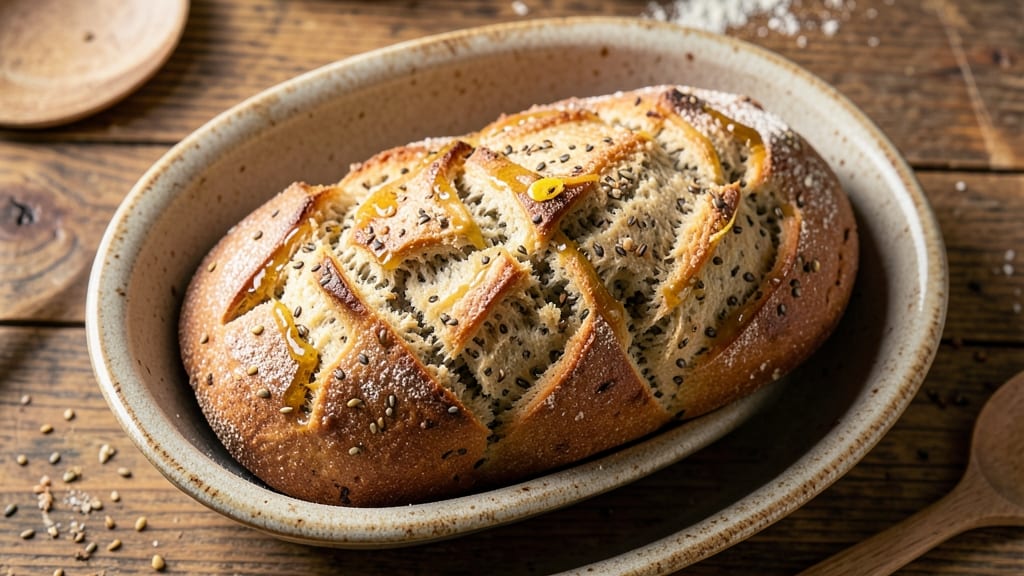
This almond flour and flaxseed bread recipe delivers a gluten-free, high-protein loaf with a satisfying nutty crunch and tender crumb—no compromises on texture or flavor. The secret lies in flaxseed's binding power and almond flour's ability to create a light, airy rise without gluten.
I developed this recipe after years of testing, and it consistently yields a bread that rivals traditional loaves in structure while offering all the dietary benefits you're seeking.
The preparation process is straightforward but requires attention to detail—30 minutes of hands-on time followed by 40-45 minutes in the oven at 350°F. The flaxseed "eggs" provide the moisture and structure needed to hold the loaf together, while almond flour contributes that signature nutty depth.
Unlike many gluten-free breads, this one doesn't crumble or taste overly dense when properly baked.
What makes this recipe truly special is its versatility. Use it for toast topped with avocado and chili flakes, as a base for open-faced sandwiches, or simply sliced and served alongside soups.
The crispy crust gives way to a tender interior with just the right amount of chew—perfect for those who miss bread but need to avoid gluten. Each slice delivers 4 grams of protein and a satisfying crunch that keeps you coming back.
For best results, let the batter rest for 10 minutes before pouring into your loaf pan—this critical step ensures even rising. The bread keeps well at room temperature for 3 days or can be frozen for up to 2 months without losing moisture.
Whether you're baking for dietary needs or simply exploring nut-based flours, this recipe delivers restaurant-quality results at home.
Ingredients for almond flour and flaxseed bread
Precision-milled almond flour and flaxseed create a gluten-free loaf with restaurant-worthy texture and protein-packed nutrition.
| Ingredient | Amount | Notes |
|---|---|---|
| Almond Flour 🌰 | 3 cups | Finely ground, unsweetened preferred |
| Ground Flaxseeds 🌾 | ½ cup | Freshly ground for best binding |
| Water 💧 | 1 ¼ cups | Room temperature for proper mixing |
| Extra-Virgin Olive Oil 🫒 | ¼ cup | Cold-pressed for optimal flavor |
| Apple Cider Vinegar 🍎 | 1 tbsp | For slight tang and rise activation |
| Baking Powder 🍞 | 1 tsp | Aluminum-free for gluten-free compatibility |
| Salt 🧂 | ½ tsp | Fine sea salt for even distribution |
| Psyllium Husk Powder 🌿 | 1 tbsp | Essential for gluten-free structure |
| Maple Syrup 🍁 | 1 tbsp | Pure grade B for moisture and sweetness |
| Sesame Seeds 🌻 | 2 tbsp | Toasted for enhanced crunch |
| Poppy Seeds 🌼 | 1 tbsp | Optional for additional texture |
| Nutritional Yeast 🧀 | 2 tbsp | For cheesy flavor and B-vitamins |
Almond flour quality is non-negotiable here—Bob's Red Mill or Anthony's Goods brands yield the finest grind and most consistent results. The flaxseeds must be freshly ground; pre-ground flaxseed loses its binding properties within weeks. For the psyllium husk, Now Foods offers a finely powdered version that blends seamlessly. The sesame and poppy seeds should be toasted in a dry skillet for 2-3 minutes until fragrant—this enhances their flavor and prevents bitterness. Maple syrup adds subtle sweetness while contributing to the bread's moisture retention, so Grade B is ideal for its richer flavor profile.
No almond flour on hand? Cashew flour works in a pinch but requires an additional 0.25 cup of water to compensate for its denser texture. Substitute the flaxseeds with chia seeds at equal weight, though the binding will be slightly less effective. For those avoiding seeds entirely, ground hemp seeds provide a comparable protein boost. The nutritional yeast can be omitted if you're sensitive to its flavor, though it contributes significantly to the bread's umami depth. When measuring the almond flour, spoon it directly into your measuring cup and level it off—never scoop directly from the bag, as this compacts the flour and reduces volume by up to 20%.
The batter must rest for the full 10 minutes—this critical step allows the psyllium husk to fully hydrate and develop its gluten-free binding properties. Store the batter in an airtight container in the refrigerator for up to 24 hours before baking, though it's best used immediately for optimal texture. Once baked, the bread maintains its crispy crust for 3 days at room temperature when wrapped in a clean kitchen towel. For longer storage, freeze individual slices wrapped in parchment paper—they'll stay fresh for 2 months without developing freezer burn. Reheat slices in a toaster or skillet over medium heat for 1-2 minutes per side to restore that perfect crunch.
Why You'll Love This Recipe
- No-Fuss Mix-In: Mixing the dough takes all of five minutes—just fold the ground flaxseeds and almond flour, add water and olive oil, then let the vinegar do its magic. No kneading, no waiting for yeast, just stir and bake.
- Rich Nutty Depth: That almond flour gives it a subtly sweet, toasty flavor, while the flaxseeds add a satisfying chew. Honestly? It tastes like a cross between sourdough and a fancy biscuit—but way easier.
- Meal Prep MVP: Slice it up and freeze half the loaf—toss it straight into soups or toast it for breakfast. My kids grab it for school lunches, and it keeps fresh for days without getting stale.
- Budget-Friendly Staple: You’re not drowning in expensive ingredients here—just pantry basics. A bag of almond flour lasts ages, and flaxseeds stretch further than you’d think. (Yes, even on a Tuesday night.)
Step-by-step instructions for almond flour and flaxseed bread
This method delivers a light, airy gluten-free loaf with perfect rise and nutty texture.
Combine Wet Ingredients for Optimal Binding
In a medium bowl, whisk together the 1.25 cups water and 0.5 cup ground flaxseeds until completely dissolved. The mixture should thicken slightly as the flaxseeds hydrate and form a gel-like consistency—this is crucial for gluten-free structure. Add the 0.25 cup extra-virgin olive oil and 1 tbsp apple cider vinegar, whisking until fully emulsified. The vinegar activates later for proper rise, while the oil creates tender crumb.
Next, stir in the 1 tbsp psyllium husk powder and 1 tbsp maple syrup until smooth. Psyllium husk absorbs liquid and forms a stretchy network that mimics gluten's function. Let this wet mixture rest for 5 minutes—you'll notice it thickens further as the psyllium fully hydrates. This resting period ensures proper binding before combining with dry ingredients.
Mix Dry Ingredients and Combine with Wet
In a separate large bowl, sift together the 3 cups almond flour, 1 tsp baking powder, 0.5 tsp salt, and 2 tbsp nutritional yeast. The almond flour should be finely ground for even texture—any lumps will create dense spots in your bread. Make a well in the center and pour in the rested wet mixture. Gently fold with a spatula until just combined, being careful not to overmix.
Add the 2 tbsp sesame seeds and 1 tbsp poppy seeds to the batter and fold them in. These seeds will add delightful crunch and visual contrast. The dough will be thick and sticky—this is normal for gluten-free baking. If it appears too dry, add 1 teaspoon water at a time until it reaches a thick but workable consistency. The ideal texture should resemble thick pancake batter.
Prepare the Loaf Pan and Pour Batter
Preheat your oven to 350°F and lightly grease an 8x4-inch loaf pan with olive oil or line it with parchment paper. The pan should be well-oiled to prevent sticking—almond flour bread has less moisture than wheat flour bread, making it more prone to sticking. Tap the pan gently on the counter to remove any air bubbles that may have formed in the batter.
Pour the batter into the prepared pan and smooth the top with a spatula. The batter will fill about ⅔ of the pan—this is correct as the bread will rise significantly. Place the pan on a baking sheet to catch any potential drips during baking. The batter's surface should be slightly uneven, which is normal and will create interesting texture as it bakes.
Bake Until Golden and Internal Temperature Reaches 200°F
Bake for 50-55 minutes until the top is golden brown and a toothpick inserted in the center comes out clean. The bread will rise about 1 inch during baking, but it won't be as tall as traditional wheat bread—this is normal for gluten-free baking. You'll notice the edges begin to pull away from the pan around the 40-minute mark, which indicates it's nearly done.
For best results, bake until an instant-read thermometer inserted in the center reads 200°F. This internal temperature ensures proper doneness without overbaking. If the top browns too quickly, tent loosely with aluminum foil after 30 minutes to prevent over-browning while allowing the bread to rise properly.
Cool and Slice for Perfect Texture
Remove the bread from the oven and let it cool in the pan for 10 minutes before transferring to a wire rack. This cooling period allows the internal structure to set properly. The bread will continue to firm up as it cools—it should feel slightly springy when pressed gently with your finger. If you try to slice it immediately, it will be too soft and may fall apart.
Once completely cooled, slice with a serrated knife for clean cuts. The interior should reveal an open crumb structure with visible air pockets—this indicates proper rise and texture. The bread will have a nutty aroma from the almond flour and a slightly tangy note from the apple cider vinegar. Store wrapped at room temperature for up to 3 days or freeze for longer storage.
Pro Tips For Making Almond Flour And Flaxseed Bread
- Mix the Flax First: DESCRIPTION: Whisk ground flaxseeds with water before adding anything else—this makes a proper gel, not just a powder. I used to skip this and wondered why my bread turned out dense; the gel binds better when it’s fully formed (let it sit 5 minutes while you prep the rest).
- Don’t Overmix the Dough: DESCRIPTION: Stir almond flour and wet ingredients just until combined—overworking it turns the bread gummy. I learned this after kneading like wheat dough; this stuff doesn’t need it. A few lumps are fine; they’ll disappear in the oven.
- Use Warm Water: DESCRIPTION: Warm water (not hot) activates the flax gel better and helps the almond flour blend smoothly. Cold water makes the dough stiff and uneven. I grab mine straight from the tap, let it sit in the bowl for 30 seconds—no thermometer needed.
- Bake Until Internal Temp Hits 205°F: DESCRIPTION: Almond flour bread needs that higher temp to fully set—check with a thermometer, not just color. Mine always looked done at 190°F but stayed dense until it hit 205°F. (Yes, even if the top is golden.)
Wine and beer pairings for this dish
Crisp White Wine
This nutty, gluten-free loaf pairs beautifully with Sauvignon Blanc—its bright acidity and citrus notes cut through the richness of the almond flour while complementing the flaxseed's earthiness.
I love a New Zealand Sauvignon Blanc like Oyster Bay or Cloudy Bay, which offers vibrant green apple and grapefruit flavors that refresh your palate between bites. The wine's crisp finish also enhances the bread's subtle tang from the apple cider vinegar. 🍷
Light Lager Balance
For beer lovers, a German Pilsner or Helles creates perfect harmony with this bread. The crisp, clean malt profile of Weihenstephaner Original or Ayinger Altbairisch provides a neutral backdrop that lets the bread's nutty flavors shine.
The slight carbonation helps cleanse your palate, making each bite feel fresh. Avoid heavy stouts or dark ales, which would overpower the delicate texture. 🍺
Dry Rosé Refreshment
If you prefer something lighter than white wine but bolder than beer, try a dry Provence rosé like Whispering Angel or Miraval. The strawberry and citrus notes in these wines mirror the bread's subtle sweetness from the maple syrup while adding a floral dimension.
The rosé's versatility makes it ideal for both casual lunches and dinner pairings. 🌸
Sparkling Contrast
A dry sparkling wine like La Marca Prosecco or Freixenet Cordon Negro Cava adds an exciting contrast to the bread's dense texture. The effervescence cleanses your palate between bites, while the wine's crisp acidity balances the richness.
This pairing works exceptionally well when serving the bread with avocado toast or as part of a charcuterie board. 🥂
Herbal Gin Cocktail
For a creative twist, mix a gin-based cocktail like a Savoy Martini (gin, dry vermouth, lemon twist) to complement the bread's herbal notes from the nutritional yeast and psyllium husk.
The juniper and citrus in the gin enhance the bread's nutty profile while adding complexity. Serve chilled for a sophisticated pairing that elevates any meal. 🍸
Nutrition facts
Frequently asked questions
Why does this recipe use both almond flour and flaxseeds?
The almond flour provides the signature nutty flavor and light texture, while the flaxseeds act as a natural binder and egg substitute. The flaxseed gel creates structure similar to gluten, while almond flour adds moisture retention that prevents dryness. Together, they create a bread with both protein (from flax) and healthy fats (from almonds).
Can I substitute other nut flours for almond flour?
Yes, but with adjustments! Cashew flour works well but requires 1 extra tablespoon water per cup. Hazelnut or macadamia flour can be used at a 1:1 ratio, though they'll alter the flavor profile. For a lighter texture, blend 2 cups almond flour + 1 cup coconut flour (but reduce water by 2 tablespoons to prevent stickiness).
My bread came out dense—what went wrong?
Dense bread usually means one of three things: overmixing the batter (keep folding just until combined), not resting the wet ingredients (let them sit 5-10 minutes before mixing), or underbaking (aim for 200°F internal temp). Also check your almond flour—pre-ground flour loses freshness quickly and can cause dryness. For next time, sift the flour before measuring.
How do I make this bread egg-free?
This recipe is already egg-free! The flaxseeds and psyllium husk provide all the binding and moisture needed. The 0.5 cup ground flaxseeds + 1.25 cups water creates a perfect gel that replaces eggs completely. For extra insurance, you could add 1 extra tablespoon psyllium husk if your batter seems too thin.
Can I make this in a different pan shape?
For a 9x5-inch loaf pan, reduce baking time by 5-10 minutes (watch closely after 40 minutes). For a round cake pan, bake at 325°F for 40-45 minutes—the shape affects heat distribution. Line any pan with parchment paper to prevent sticking, and remember almond flour bread rises less than wheat bread, so don't overfill.