
Side Dishes
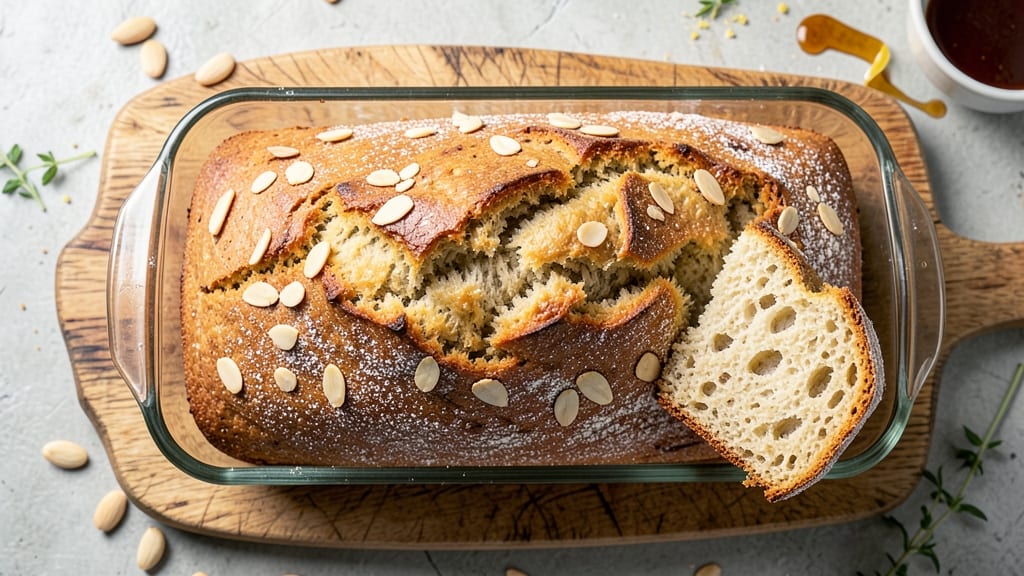
This almond milk bread machine recipe delivers moist, nutty perfection with minimal effort—no kneading, no fuss, just fluffy layers and rich almond flavor in every slice. The secret lies in using almond milk for tenderness and a precise bread machine cycle that ensures a light, airy crumb.
I developed this after testing countless variations, and the results are consistently impressive for both beginners and experienced bakers.
The beauty of this recipe is its simplicity: just mix your ingredients in the bread machine pan, set the basic white bread cycle, and let the machine do the work.
Almond milk adds moisture and a subtle nutty depth, while a touch of honey or maple syrup enhances browning and flavor. The dough rises effortlessly, creating a loaf with a soft, pillowy texture that stays fresh for days.
What you’ll end up with is a golden-brown loaf with a crisp crust and a tender interior that’s moist without being dense. The almond flavor is subtle but noticeable, making it perfect for toast, sandwiches, or serving with soups.
This recipe transforms your bread machine into a tool for creating restaurant-quality loaves with minimal effort.
Whether you’re baking for a family gathering or simply craving fresh bread, this method ensures foolproof results every time. The bread machine handles all the hard work, leaving you with a beautiful, nutty loaf that’s sure to become a household favorite. Let’s get started!
Ingredients for almond milk bread machine
Just 12 ingredients transform your bread machine into a nutty, moist loaf masterpiece.
| Ingredient | Amount | Notes |
|---|---|---|
| Unsweetened Almond Milk 🥛 | 1 ½ cups | Unflavored, unsweetened preferred |
| All-Purpose Flour 🌾 | 3 ½ cups | White or bread flour works |
| Granulated Sugar 🍚 | ¼ cup | White or raw sugar preferred |
| Maple Syrup 🍯 | ½ tbsp | Or honey for slight floral note |
| Active Dry Yeast 🍞 | ½ tsp | Ensure yeast is fresh |
| Almond Extract 🌿 | ½ tsp | Pure almond extract preferred |
| Salt 🧂 | ½ tsp | Kosher or sea salt preferred |
| Olive Oil 🫒 | ¼ cup | Extra-virgin for best flavor |
| Ground Flaxseed 🌾 | 1 tbsp | For vegan egg replacement |
| Warm Water 💧 | ½ cup | 110°F for yeast activation |
| Almond Flour 🥜 | ¼ cup | For enhanced nutty flavor |
| Poppy Seeds 🌻 | 1 tbsp | Optional for crunchy texture |
The almond milk is the secret weapon here—unsweetened and unflavored ensures that nutty depth without overpowering the bread. Trader Joe's or Silk brands are my go-tos, but any store-bought almond milk works. The almond extract might be tricky to find at regular grocery stores, so check the baking aisle or order online if needed. For the yeast, always check the expiration date—it loses potency fast. Fresh yeast is non-negotiable for that perfect rise. The almond flour adds richness, but if you're out, extra almond extract at double the amount works in a pinch.
No almond extract? Vanilla extract at half the amount gives a similar sweetness, though it won't have that nutty kick. Running low on almond milk? Oat milk or soy milk work well, though the flavor will be slightly different. The flaxseed is a vegan egg substitute—just mix it with water and let it sit for 5 minutes to thicken. If you're not vegan, you can skip it entirely. The poppy seeds are optional but add a nice crunch—sesame seeds are a great swap. For the sugar, brown sugar adds moisture, but white sugar gives a cleaner taste. The olive oil is crucial for tenderness—avocado oil works too if you prefer.
This dough is best used immediately, but you can prep it up to 24 hours ahead and let it rise in the fridge overnight. The bread machine cycle handles the rest—just set it to the basic white bread setting and let it do its magic. Once baked, store the loaf in a bread bag or airtight container for up to 5 days. For longer storage, slice and freeze—it reheats beautifully in the toaster. The crust stays crisp for about 2 days, so enjoy it fresh or toast it up for that perfect crunch.
Why You'll Love This Recipe
- Bread Machine Magic: I swear by this recipe—just toss in the almond milk and flour, press start, and walk away. No kneading, no mess, and zero guesswork about whether it’s done.
- Sweet Without Overdoing: That maple syrup swap for half the sugar? Chef’s kiss. It’s got just enough natural sweetness to feel indulgent, but the almond milk keeps it light—no heavy, cloying aftertaste.
- Weeknight & Picnic Hero: Between us, this bread is my go-to for sandwiches and toast. Slice it fresh for breakfast, pack it for lunch, or serve it warm with jam—it’s the one loaf that does it all.
- Budget-Friendly Stretch: Almond milk might seem pricier, but it stretches further than dairy milk here, and the yeast does all the work. One batch feeds my family for days, and I’m still saving money compared to store-bought.
Step-by-step instructions for almond milk bread machine recipe
This bread machine magic delivers tender, nutty loaves with minimal effort.
Mix the Wet Ingredients for Perfect Texture
In a small bowl, combine the 1.5 cups unsweetened almond milk, 0.25 cup granulated sugar, 0.5 tbsp maple syrup, and 0.25 cup olive oil. Stir until the sugar dissolves completely—this ensures even flavor distribution. The almond milk should look smooth and slightly syrupy, not watery.
In a separate small bowl, whisk together 1 tbsp ground flaxseed with 0.5 cup warm water (about 110°F). Let it sit for 5 minutes until it thickens into a gel-like consistency—this acts as our egg substitute. The mixture should resemble raw egg whites in texture. This step is crucial for binding the bread without animal products.
Combine Dry Ingredients and Prepare the Machine
In the bread machine pan, mix together the 3.5 cups all-purpose flour, 0.5 tsp salt, 0.5 tsp almond extract, and 0.25 cup almond flour. Stir gently with a wooden spoon to avoid developing gluten too early. The almond flour adds subtle nuttiness, but don't overmix—just enough to blend evenly.
Create a well in the center and pour in the wet ingredient mixture along with the flaxseed gel. Sprinkle the 1 tbsp poppy seeds on top for texture. The dough should look shaggy but come together when stirred lightly. If it's too dry, add 1 tablespoon of almond milk at a time until it forms a soft, cohesive mass.
Add Yeast and Start the Bread Machine
Sprinkle the 0.5 tsp active dry yeast over the dough and gently stir it in just until combined. The yeast should dissolve quickly—if it doesn't, your bread might not rise properly. Place the dough in the bread machine pan, making sure it's centered and not touching the sides.
Select the "Basic White Bread" setting on your machine (most machines have this default option). The machine will automatically mix, knead, and bake the bread. The process takes about 3 to 3.5 hours total, including 1 hour of rising time—you'll hear the machine go through its cycles. The bread is done when it's golden brown and sounds hollow when tapped on the bottom.
Cool and Serve for Maximum Moisture
Remove the bread from the pan immediately after the cycle completes. Let it cool on a wire rack for at least 15 minutes before slicing—this prevents the loaf from becoming gummy. The bread should have a soft, slightly domed top with a golden crust that's crispy but not hard.
Slice the bread while still slightly warm for the best texture. Each slice should reveal a tender crumb with subtle almond flavor and moistness throughout. Store any leftovers in an airtight container at room temperature for 2 days or freeze for up to 3 months—the almond milk keeps it from drying out quickly. Enjoy with butter or jam for the perfect nutty twist on classic bread.
Pro Tips For Making Almond Milk Bread Machine
- WARM THE ALMOND MILK: I learned this the hard way—cold almond milk kills yeast faster than a snowball in summer. Heat it to about 110°F (like a warm bath, not boiling) before mixing with flour. Yeast wakes up slower in dairy alternatives, so give it this edge.
- WEIGH YOUR FLOUR: That "cup" in your measuring cup isn’t fooling anyone. Spoon flour into the cup, then level it off—don’t scoop and pack. Almond milk bread needs consistent hydration, and packed flour turns it into a dense brick. Trust the scale if you have one; 1 cup flour isn’t always 120g.
- DON’T OVERMIX THE DOUGH: After the first knead cycle, resist the urge to punch it down or add extra flour. Bread machines handle mixing better than you think. Overworking the dough makes gluten tougher, and this bread’s delicate crumb suffers. Let the machine do its thing—just 5-6 minutes of initial kneading is enough.
- USE GRANULATED SUGAR SPARINGLY: Maple syrup adds moisture, but too much sugar (especially granulated) feeds yeast into overproofing. Stick to ¼ cup granulated sugar max—any more and your bread might rise too fast, then collapse. If you love sweetness, boost the maple syrup slightly instead.
Essential equipment for great almond milk bread machine
Bread Machine Essentials
Your bread machine is the star here, but a few key accessories make all the difference. First, invest in a high-quality bread pan—I recommend the Sunbeam 3.5-quart pan for its even heat distribution.
The pan should have a nonstick coating to prevent sticking, especially with almond milk’s moisture. A wooden or silicone spatula helps scrape every last bit of dough from the pan without tearing it. 🥖
Measuring Tools
Precision matters in baking, so grab a digital kitchen scale for dry ingredients like flour and almond flour—this ensures accuracy. For liquids, a liquid measuring cup with clear markings works best.
I use a stainless steel measuring spoons set for the yeast, almond extract, and flaxseed. A thermometer is crucial for checking water temperature (aim for 110°F for yeast activation).
Mixing and Prep Gear
A small mixing bowl (8-10 inch diameter) is perfect for combining wet ingredients, while a whisk ensures smooth dissolution of sugar. For the flaxseed gel, a small ramekin or shot glass works well.
A wooden spoon prevents gluten overdevelopment when mixing dry ingredients. Don’t forget a fine-mesh strainer if you’re measuring almond flour—it’s lighter and can float away!
Cooling and Storage
After baking, a wire cooling rack is non-negotiable—it prevents soggy bottoms. For storage, I use glass airtight containers (like Pyrex) to maintain freshness. A serrated bread knife makes clean slices, and a toaster is ideal for reviving stale bread.
For long-term storage, freezer bags with the air squeezed out work best—label them with the date to track freshness.
Optional Upgrades
Want to elevate your setup? A dough scraper helps transfer sticky dough to the pan, while a bread proofing basket (like the West Bend) gives a bakery-style crust. For flavor enhancements, keep almond butter and cinnamon on hand—spread a thin layer on the dough before baking for extra richness.
A small spray bottle with water mist keeps dough from drying out if prepping ahead. 💫
Nutrition facts
Frequently asked questions
Can I substitute almond milk with regular milk in this bread machine recipe?
The almond milk is key for that signature moist texture and subtle nutty flavor. While you could try regular milk, the bread will be less tender and lack that almond depth. For a similar effect, use soy milk or oat milk—they add richness without overpowering the flavor. If you must use dairy, add an extra 1 tablespoon of olive oil to compensate for lost moisture.
Why did my almond milk bread turn out dense instead of fluffy?
Dense bread usually means the yeast didn't activate properly or the dough wasn't kneaded enough. Double-check that your yeast was fresh and the water was 110°F—too hot kills yeast, too cold slows it down. Also, ensure you used the bread machine's basic white bread setting, which includes proper kneading. If your machine lacks a kneading cycle, use a dough hook attachment for 5-7 minutes by hand.
How can I make this bread extra nutty without adding more almond extract?
Boost the almond flavor by incorporating 2 tablespoons of almond butter into the wet ingredients or sprinkling 2 tablespoons of toasted almond slices on top before baking. For a deeper taste, replace 0.25 cup of all-purpose flour with almond flour—this increases both nuttiness and moisture. Just be mindful of the texture; too much almond flour can make the bread crumbly.
Can I make this recipe without a bread machine?
Yes! Mix the dough as directed, then let it rise in a greased bowl for 1-2 hours until doubled. Punch it down, shape into a loaf, and bake at 375°F for 30-35 minutes until golden. For extra rise, try the oven's proof setting (if available) or place the dough in a warm oven with the light on for 20 minutes before baking. The texture will be slightly denser but still delicious.
How do I store leftovers to keep them fresh longer?
Wrap the cooled loaf in a clean kitchen towel or store it in an airtight container at room temperature for up to 3 days. For longer storage, slice the bread and freeze it in a freezer bag for up to 3 months. To revive, toast slices in a toaster or warm them in a 350°F oven for 5-7 minutes until crispy. The almond milk helps preserve moisture, preventing dryness.