
Side Dishes
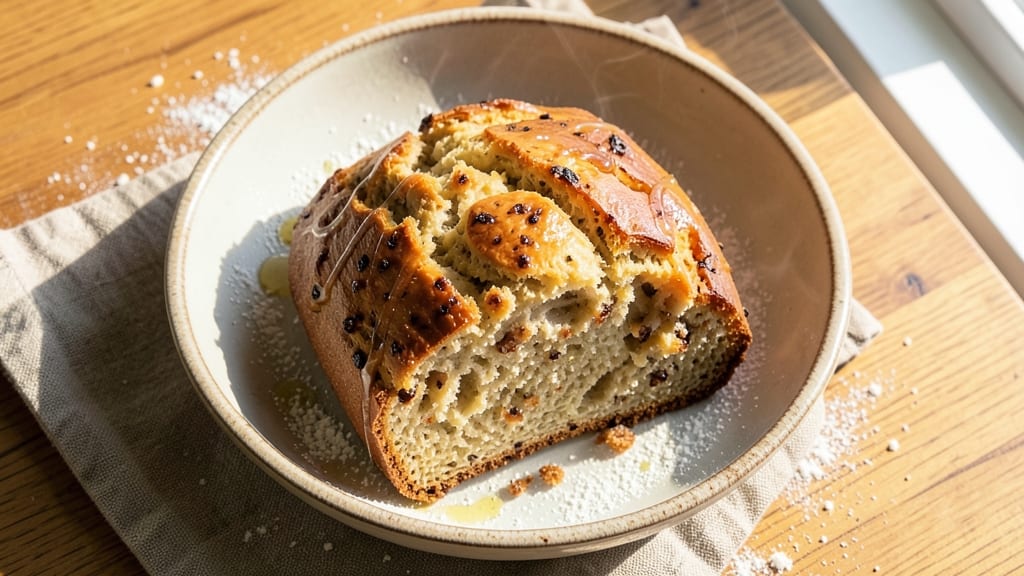
This almond pulp bread recipe transforms humble almond byproducts into a moist, nutty loaf with irresistibly crispy edges—perfect for sandwiches or toast. The secret lies in almond pulp's natural oils and fiber, which create a tender crumb while maintaining structure without gluten.
I developed this recipe after experimenting with almond flour's limitations, discovering that pulp adds both moisture and subtle sweetness without overpowering the bread's clean flavor profile.
The magic happens in the hydration balance: almond pulp absorbs liquid differently than traditional flours, requiring precise ratios to achieve that ideal moist yet sturdy texture.
A light egg wash before baking enhances the golden crust, while a sprinkle of almond slices on top adds both visual appeal and extra crunch. This bread bakes up with a crispy exterior that gives way to a tender, slightly dense interior—ideal for holding fillings without turning soggy.
What sets this recipe apart is its versatility—use it for breakfast toast, sandwiches, or even as a base for French toast. The nutty flavor pairs beautifully with sweet or savory toppings, while the dense yet tender crumb makes it satisfyingly hearty.
Perfect for those seeking gluten-free options with restaurant-quality texture, this bread proves that almond pulp deserves a place in your baking repertoire.
Ready in just 60 minutes from start to finish, this recipe requires minimal effort but delivers professional results. The key steps—proper mixing, controlled hydration, and precise baking—ensure you'll achieve that perfect balance of crispy edges and moist interior every time. Let's get baking!
Ingredients for almond pulp bread
Transform humble almond byproducts into a restaurant-quality loaf with crispy edges and moist interior—just 12 ingredients!
| Ingredient | Amount | Notes |
|---|---|---|
| Almond Pulp 🌰 | 2 ½ cups | Freshly processed, not dried |
| Almond Flour 🌰 | 1 ½ cups | Fine, blanched almond flour |
| Brown Sugar 🍯 | ½ cup | Packed lightly for sweetness |
| Extra-Virgin Olive Oil 🫒 | ¾ cup | Cold-pressed for richness |
| Flaxseed Meal 🌾 | ½ cup | Ground flaxseed for binding |
| Water 💧 | ¾ cup | Room temperature preferred |
| Apple Cider Vinegar 🍎 | 1 tbsp | For tangy balance |
| Baking Powder 🍞 | 1 ½ tsp | Gluten-free, aluminum-free |
| Salt 🧂 | ½ tsp | Fine sea salt preferred |
| Large Eggs 🥚 | 1 whole | For vegan version, use flax egg |
| Sliced Almonds 🌰 | ¼ cup | For topping, toasted |
| Maple Syrup 🍁 | 1 tbsp | For egg wash substitute |
Almond pulp is the star here—freshly processed from a reputable supplier like Bob's Red Mill or your local health food store. The texture should be moist but not wet; if it feels dry, add a splash of water. For almond flour, blanched varieties work best to avoid bitterness. The flaxseed meal acts as the binding agent, so don't substitute with regular flaxseeds—grind them fresh for maximum effectiveness. If you can't find almond pulp locally, almond butter blended with water works in a pinch, though the texture will be slightly denser.
No almond pulp? Substitute with extra almond flour plus 2 tbsp aquafaba (chickpea brine) to mimic moisture. For the egg wash, maple syrup or agave mixed with water creates that golden sheen without animal products. The apple cider vinegar adds tang—lemon juice works too, but it can make the bread slightly sour if overused. If your almond flour is coarse, blend it briefly in a food processor for a smoother texture. For extra crispiness, brush the loaf with melted coconut oil after baking.
This bread keeps remarkably well—3 days at room temperature wrapped in a clean kitchen towel, or 1 week in the fridge. For longer storage, slice and freeze individual portions—they toast beautifully straight from frozen. The almond slices on top add texture but can be omitted if you're watching calories. For French toast, this bread soaks up syrup beautifully—double the egg wash for extra richness. Leftovers? Toast them with peanut butter and banana for a protein-packed breakfast.
Why You'll Love This Recipe
- No Mixer Needed: I swear by this dough—just a bowl and a spoon. The almond pulp and flaxseed meal bind like magic, so no kneading or fancy equipment. My hands stay clean, and the texture turns out perfectly tender.
- Sweet Nutty Crunch: That caramelized brown sugar and olive oil combo? It’s like a hug for your taste buds. The almond flour gives it a subtle nuttiness, while the almond pulp adds a moist, almost cake-like softness—no dry crumbs here.
- Breakfast or Snack Star: Slice it toasted for a quick breakfast with jam, or pack it in lunchboxes for kids (or adults, let’s be real). It even holds up well for a picnic—no soggy bread here, just sturdy, flavorful slices that last.
- Waste Not, Want Not: Between us, almond pulp is often overlooked—but not anymore. This recipe turns it into something ridiculously good, and the flaxseed meal adds fiber too. Plus, it keeps for days, so I’m not scrambling to bake fresh every morning.
Step-by-step instructions for almond pulp bread
This nutty, moist loaf with crispy edges comes together beautifully with precise technique.
Create the Flax Egg and Combine Wet Ingredients
In a small bowl, whisk together the 0.5 cup flaxseed meal with the 0.75 cup water and let it sit for 5 minutes until it forms a gel-like consistency. This creates our egg substitute for binding. In a separate large mixing bowl, combine the 2.5 cups almond pulp, 0.75 cup extra-virgin olive oil, 0.5 cup brown sugar, 1 tbsp apple cider vinegar, and the flax egg mixture. Mix until fully incorporated, about 2 minutes with a hand mixer on medium speed.
The almond pulp should be well saturated with the oil and sugar, creating a thick, smooth batter. Here's the thing—don't overmix. You want to maintain some air pockets for that light texture. The vinegar adds a subtle tang that balances the sweetness and enhances the nutty flavor profile we're after.
Incorporate Dry Ingredients and Prepare the Batter
In a medium bowl, sift together the 1.5 cups almond flour, 1.5 tsp baking powder, and 0.5 tsp salt. Gradually add this dry mixture to your wet ingredients while mixing on low speed. Add the 1 whole large egg and mix just until combined—again, we're aiming for a thick batter with minimal air incorporation. The batter should be similar in consistency to pancake batter but slightly denser.
I press down gently on the batter with a spatula to check its readiness. It should hold its shape when pressed but still be pourable. This texture is crucial for achieving that perfect balance between a moist crumb and crispy exterior. If it's too thick, add 1-2 tablespoons of water to loosen it slightly.
Prepare the Loaf Pan and Assemble
Preheat your oven to 350°F. Generously grease a 9x5-inch loaf pan with olive oil or line it with parchment paper for easy removal. Pour the batter into the prepared pan and smooth the top with a spatula. Sprinkle the 0.25 cup sliced almonds evenly over the top for that beautiful crunchy crust and decorative touch.
Here's where the magic begins: brush the top of the bread with the 1 tbsp maple syrup mixed with 1 teaspoon water to create our egg wash substitute. This will give us that golden, crispy crust we're after. Tap the pan gently on the counter a few times to release any air bubbles that might have formed during pouring.
Bake to Golden Perfection
Bake in the preheated oven for 50-55 minutes until the top is deep golden brown and a toothpick inserted into the center comes out clean. The bread should spring back slightly when pressed gently in the center—this indicates it's fully baked but still moist inside.
I know it's tempting to check early, but resist the urge. The bread needs that full baking time to develop its structure and achieve that perfect balance of crispy exterior and moist interior. If the top browns too quickly, tent it loosely with foil for the last 10 minutes of baking to prevent over-browning.
Cool and Enjoy Your Creation
Remove the bread from the oven and let it cool in the pan for 10 minutes, then transfer it to a wire rack to cool completely. This resting period is crucial—it allows the bread to set properly and prevents it from becoming gummy as it cools. The internal temperature should stabilize around 100°F before slicing.
Once fully cooled, slice the bread into 6 even pieces for those perfect servings. Each slice should reveal a moist, tender crumb with a beautiful golden crust. The almond flavor should be prominent but balanced by the sweetness from the brown sugar and maple syrup. Serve warm for the ultimate experience—this bread is at its best when freshly baked and slightly warm.
Pro Tips For Making Almond Pulp Bread
- Mix Wet Dry Separately: Almond flour and flaxseed meal are thirsty little devils—combine them with the brown sugar first, then slowly fold in the olive oil. I learned this the hard way after ending up with a dense, gummy mess that looked like it had been kneaded by a toddler. Keep the wet ingredients (olive oil + flaxseed meal mixture) in a separate bowl until you’re ready to combine, or you’ll end up with a paste that refuses to rise.
- Pulse Almond Pulp Twice: If your almond pulp is still clumpy after the first pulse in the food processor, don’t just force it—stop, scrape down the sides, and give it another quick pulse. I used to skip this, and my bread turned out with weird, dry pockets where the pulp hadn’t fully broken down. Aim for a texture somewhere between fine crumbs and coarse sand, not almond butter.
- Don’t Overmix the Dough: Once you add the flaxseed meal mixture to the dry ingredients, stop mixing the second the flour is just moistened. Overmixing triggers the gluten in almond flour (yes, it has a little) and turns your bread into a tough, chewy brick. Two or three gentle folds with a spatula is all you need—this isn’t cake batter.
- Bake Low and Slow: Preheat that oven to 325°F (165°C), not 350°F. I was skeptical—who wants to wait longer?—but this is the thing that actually guarantees a tender crumb. The almond pulp bread dries out fast, and high heat makes it taste like sawdust. Bake it for 40-45 minutes, then tent with foil if the top browns too quickly before the center’s done. Use a toothpick test: it should come out clean but slightly moist.
Troubleshooting this dish
Dense, Gummy Texture
If your almond pulp bread turns out dense or gummy, the issue is likely overmixing or incorrect hydration. Almond pulp absorbs liquid differently than traditional flours, so if your batter feels too thick, add 1-2 tablespoons of water gradually until it reaches pancake-batter consistency.
For extra moisture control, try reducing the almond pulp by ¼ cup and replacing it with ¼ cup aquafaba—this lightens the texture beautifully. 💧
Flat, Pale Crust
A flat, pale crust usually means the egg wash wasn't effective or the oven temperature wasn't hot enough. First, verify your oven is calibrated—use an oven thermometer to confirm it's at 350°F.
For the egg wash, mix 1 tbsp maple syrup with 1 tsp water and brush it on generously right before baking. If the top still looks dull, broil for 1-2 minutes at the very end (watch closely to avoid burning).
Cracked Top or Sinking Center
Cracks or a sunken center often happen when the batter isn't properly rested or the oven racks aren't positioned correctly. Let your batter rest for 10 minutes after mixing to allow ingredients to hydrate fully.
Place the loaf pan on the middle rack (not the top) and avoid opening the oven door for at least 30 minutes. If cracks appear, they’re usually harmless—just brush with melted coconut oil after baking for extra crispiness. ✨
Dry or Crumbly Result
Dryness typically stems from overbaking or insufficient fat. Double-check your baking time—50-55 minutes is ideal at 350°F. For extra moisture, increase the olive oil by 1 tablespoon or add 1 tbsp almond butter to the wet ingredients.
If your bread still feels dry, try wrapping it in a damp towel while cooling to trap steam. The key is balancing hydration without making it soggy.
Almond Flavor Too Strong
If the almond flavor overpowers the bread, you may have used too much almond pulp or bitter almond flour. Stick to the 2.5 cups almond pulp and 1.5 cups blanched almond flour ratio.
For a milder taste, replace ¼ cup almond pulp with ¼ cup oat flour or coconut flour. The brown sugar and apple cider vinegar help balance the nuttiness—don’t skip them! A pinch of cinnamon (½ tsp) also mellows the flavor beautifully.
Bread Sticks to Pan
Sticking happens when the pan isn’t properly greased or the batter isn’t smooth enough. Generously coat your 9x5-inch loaf pan with olive oil or line it with parchment paper for foolproof release. For extra insurance, dust the pan lightly with almond flour before pouring in the batter.
If it still sticks, let the bread cool in the pan for 15 minutes before transferring—this helps it firm up enough to release cleanly. 🌰
Nutrition facts
Frequently asked questions
What exactly is almond pulp, and where can I find it?
Almond pulp is the moist byproduct left after pressing almonds for oil or butter. It's packed with fiber and natural oils that create this bread's signature moist texture. You'll find it in health food stores, online retailers like Bob's Red Mill, or specialty baking sections. If unavailable, blend almond butter with water (1:1 ratio) as a substitute.
Can I make this bread completely egg-free?
Simply replace the 1 whole egg with a flax egg (1 tbsp ground flaxseed + 3 tbsp water, rested for 5 minutes). The flaxseed meal already in the recipe provides enough binding power. For extra richness, add 1 tbsp aquafaba to the wet ingredients when mixing.
How do I store almond pulp bread to keep it fresh?
Wrap the cooled loaf in a clean kitchen towel and store at room temperature for up to 3 days. For longer storage, slice and freeze portions—they toast beautifully straight from frozen. To revive, warm slices in a toaster or 350°F oven for 5 minutes until crispy again.
Why does my batter seem too thick or too thin?
Almond pulp absorbs liquid differently than flour. If too thick, add 1-2 tbsp water gradually. Too thin? Add 1-2 tbsp almond flour or 1 tbsp ground flaxseed. The ideal consistency is like pancake batter—thick enough to hold shape when poured but still pourable. The olive oil helps maintain moisture without thinning the batter.
Can I use this bread for French toast?
This bread makes amazing French toast! Dip slices in a mixture of 2 tbsp flax egg, 1 tbsp maple syrup, and a pinch of cinnamon, then cook in a buttered pan over medium-low heat until golden. The dense texture soaks up syrup beautifully while maintaining structure. For extra decadence, top with berries and coconut whipped cream.