
Side Dishes
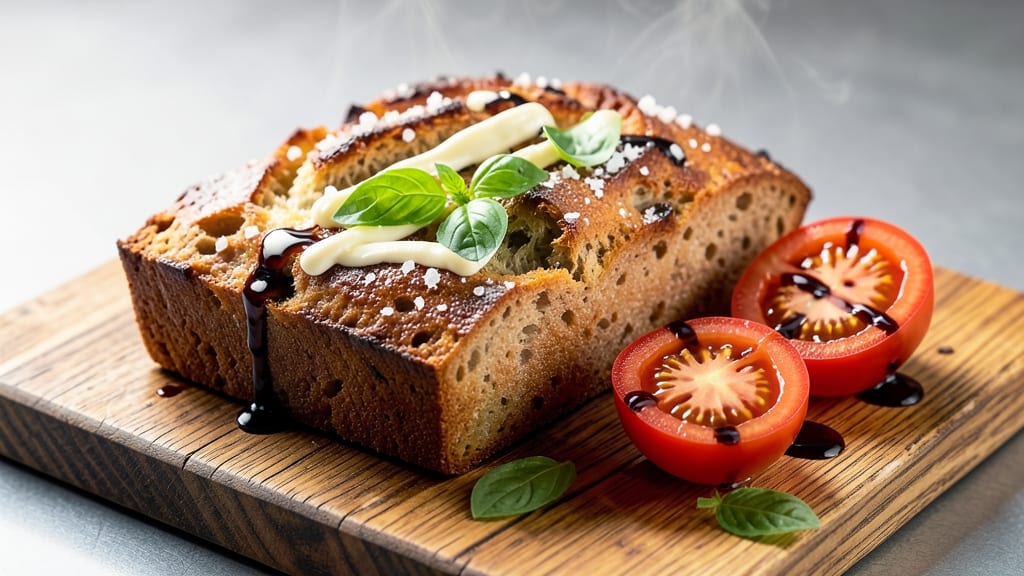
This Amish tomato bread recipe delivers the perfect balance of sweet and savory, with a chewy crust and tender crumb that makes every bite unforgettable. 🌟 Born from Pennsylvania Dutch traditions, this bread combines fresh tomatoes with warm spices and a touch of sweetness, creating a loaf that's as comforting as it is versatile.
The secret lies in the no-knead method, which develops deep flavor while keeping the texture light and airy.
The dough comes together effortlessly with simple ingredients—flour, yeast, sugar, and fresh tomatoes—that work in harmony to create a loaf with just the right amount of moisture and structure. Proofing the dough overnight allows for natural fermentation, enhancing the bread's depth of flavor and giving it that signature oven spring.
Baking at a high temperature ensures a crispy crust that contrasts beautifully with the soft, pillowy interior.
What makes this bread truly special is its adaptability—serve it warm with butter, slathered with jam, or alongside hearty soups and stews. The sweet-tangy flavor of the tomatoes pairs perfectly with rich meats or fresh salads, making it a crowd-pleaser for any meal.
Once you try this recipe, you'll understand why it's a staple in Amish kitchens and a favorite at family gatherings.
Ready to bake a loaf that tastes like home? This recipe is designed to be foolproof, with clear instructions that guide you through every step—from mixing the dough to achieving that perfect golden-brown crust. Let's get started on creating a loaf that will become a new tradition in your kitchen.
Ingredients for amish tomato bread
Simple pantry staples meet Pennsylvania Dutch tradition in this no-knead tomato bread.
| Ingredient | Amount | Notes |
|---|---|---|
| All-Purpose Flour 🌾 | 4 cups | Unbleached preferred for better texture |
| Active Dry Yeast 🍞 | 1 tbsp | Ensure yeast is fresh and active |
| Granulated Sugar 🍚 | ½ cup | White or light brown sugar |
| Salt 🧂 | 1 ½ tsp | Diamond Crystal preferred |
| Unsalted Butter 🧈 | ½ cup | Cold, cubed for easier mixing |
| Fresh Tomatoes 🍅 | 1 lb | Ripe, vine-ripened preferred |
| Whole Milk 🥛 | ½ cup | Room temperature for best results |
| Ground Cinnamon 🌿 | 1 tsp | Freshly ground for best flavor |
| Ground Nutmeg 🌿 | ¼ tsp | Freshly grated preferred |
| Large Egg 🥚 | 1 whole | Room temperature for better mixing |
| Olive Oil 🫒 | 1 tbsp | Extra-virgin for richness |
| Coarse Cornmeal 🌽 | ¼ cup | For dusting baking sheet |
The tomatoes are the heart of this bread—vine-ripened ones from a local farmers market have the best flavor, but grocery store varieties work too. Look for ones that are firm but yield slightly to gentle pressure. Trader Joe's and Whole Foods often carry excellent vine-ripened options. The flour should be all-purpose, but some bakers swear by bread flour for a slightly chewier texture. If you're using bread flour, reduce the yeast by 0.25 tsp to account for its higher protein content. The yeast is critical—always check the expiration date and test it in warm water with a pinch of sugar to ensure it's active before starting.
No fresh tomatoes? Canned diced tomatoes (drained well) will work in a pinch, but they'll lack the fresh sweetness. Running short on butter? Coconut oil or vegetable shortening can substitute, though the flavor won't be identical. The milk can be swapped for buttermilk or even water in a bind, though the dough may be slightly less tender. For the spices, if you're missing nutmeg, allspice at half the amount gives a similar warmth. The egg can be replaced with a flax egg (1 tbsp ground flaxseed + 3 tbsp water) for a vegan version, though the texture will differ slightly. The olive oil is non-negotiable for that signature Amish richness—don't skip it.
This dough needs time to develop flavor—proof it overnight in the fridge for best results. Store the dough in an airtight container covered with a damp towel for up to 24 hours before baking. Once baked, the bread keeps well at room temperature for 2-3 days wrapped in a clean kitchen towel. For longer storage, slice and freeze the bread—it reheats beautifully in a toaster or oven. The crust stays crisp for about an hour after baking, so enjoy it fresh or store it properly for later. Leftovers make great toast or French toast the next day.
Why You'll Love This Recipe
- No-Knead Magic: I swear by this—just mix, let it rise, and bake. The yeast does all the work while I sip coffee. (Yes, even on a Tuesday night.)
- Sweet-Savory Balance: That touch of sugar in the dough? It’s the secret. The butter keeps it tender, but the tomatoes—oh, the tomatoes—bring the tangy, jammy goodness that makes it ridiculously good.
- Weeknight Workhorse: Serve it warm with soup for dinner, toast it for breakfast, or pack slices for lunch. It’s my go-to when I need something reliable that doesn’t skimp on flavor.
- Budget-Friendly Stretch: Flour, yeast, butter—these are pantry staples. A single loaf feeds my family for days, and the leftovers? Perfect for French toast or garlic bread. (My kids fight over the scraps.)
Step-by-step instructions for Amish tomato bread
Here's how to create that signature sweet-savory balance with a perfect chewy crust.
👨🍳 Step 1: Prepare the Tomato Paste and Yeast Mixture
Start by preheating your oven to 350°F. In a small saucepan, combine 1 lb fresh tomatoes (peeled and chopped), 0.5 cup granulated sugar, 1 tbsp olive oil, 1 tsp ground cinnamon, and 0.25 tsp ground nutmeg. Cook over medium heat for 10-12 minutes until the tomatoes break down into a thick paste and the sugar caramelizes slightly. You'll see the mixture darken and smell intensely sweet with warm spice notes.
While the tomato mixture cooks, dissolve the 1 tbsp active dry yeast in 0.5 cup warm whole milk (about 110°F) in a separate bowl. Let it sit for 5-10 minutes until foamy. If it doesn't foam, your yeast may be inactive—start over with fresh yeast. This foamy mixture is your proof that the yeast is alive and ready to work its magic in the dough.
👨🍳 Step 2: Mix the Dough and Knead Thoroughly
In a large mixing bowl, combine 4 cups all-purpose flour and 1.5 tsp salt. Make a well in the center and pour in the yeast mixture, cooled tomato paste, and 1 whole large egg. Using a wooden spoon or dough whisk, gradually incorporate the flour from the edges until a shaggy dough forms. The dough will be sticky at first—this is normal with the tomato paste and milk.
Turn the dough onto a lightly floured surface and knead for 8-10 minutes until smooth and elastic. I press down firmly with the heels of my hands and fold the dough over itself, rotating the bowl each time to ensure even development. You'll know it's ready when the dough springs back slowly when poked and feels smooth to the touch. If it's still sticky, add 1-2 tablespoons more flour as needed, but don't overdo it—too much flour makes the bread dense.
🥘 Step 3: First Rise and Shape the Loaves
Lightly grease two 9x5-inch loaf pans and dust them with 0.25 cup coarse cornmeal, tapping out any excess. Divide the dough evenly between the pans and shape it into rectangles. For the classic Amish tomato bread shape, fold the dough in half lengthwise twice, creating four layers. Press the edges firmly to seal, then let the loaves rise at room temperature for 1-1.5 hours until they've puffed up about 50% and feel light when pressed gently.
Here's where patience pays off: don't rush this rise. The dough needs time to develop gluten and ferment properly. You'll see small bubbles form on the surface and the dough will feel springy. If the dough rises too quickly, it might collapse when baked—this is a sign it needs more time. Cover the pans loosely with a clean kitchen towel if your kitchen is drafty.
🔥 Step 4: Bake to Golden Perfection
Place the risen loaves in the preheated 350°F oven and bake for 35-40 minutes until the tops are deep golden brown and a toothpick inserted in the center comes out clean. The bread should have a beautiful caramelized crust with those signature deep cracks that form as it bakes. I like to rotate the pans halfway through baking to ensure even browning.
For that classic Amish tomato bread flavor, the bread needs to develop a rich caramelized crust. If your oven runs hot, you might need to reduce the temperature to 325°F after 20 minutes to prevent over-browning. The internal temperature should reach 190-200°F when done. Let the bread cool in the pans for 10 minutes before transferring to a wire rack—this prevents the bottoms from becoming soggy.
⏰ Step 5: Rest and Serve
Allow the bread to cool completely on the wire rack for at least 1 hour before slicing. This resting period is crucial—it lets the crumb firm up and the flavors meld together. You'll notice the bread develops an even deeper caramelized aroma as it cools. When you slice into it, you should see that beautiful contrast between the chewy crust and the soft, slightly sweet crumb.
Slice the bread into ½-inch thick pieces and serve warm with butter or jam. The combination of sweet tomato paste and warm spices creates a unique flavor profile that's perfect for breakfast or as a side to savory dishes. Store any leftovers wrapped tightly in plastic wrap at room temperature for up to 3 days, or freeze for up to 3 months—the flavor actually improves with time.
Pro Tips For Making Amish Tomato Bread
- Bloom Yeast in Warm Milk: Skip the water—this recipe benefits from yeast activated in warm whole milk (about 110°F). The fat and sugar in milk wake it up faster and gives the bread a richer flavor. I used to use water and wondered why my loaves never rose as high.
- Cut Cold Butter: Chill your butter before cutting it into the dough—even if the recipe doesn’t say so. Cold butter creates flaky layers, while soft butter makes the bread dense. Use a serrated knife to cut it into small cubes for even distribution.
- Don’t Overmix the Dough: Mix just until the flour is incorporated—overworking it develops gluten, which turns the bread tough. Stop when it’s shaggy, then let the kneading happen during the first rise. I’ve ruined plenty of batches by overmixing.
- Proof Until It Doubles: The dough needs time to rise until it’s nearly doubled in size—about 1 to 1.5 hours, depending on your kitchen. A slow rise at room temp (70°F) gives better flavor than rushing it in a warm oven. Poke it: if it springs back slowly, it’s ready.
Best sauces and condiments for this amish tomato bread
Sweet Tomato Jam
Spread a generous layer of homemade tomato jam on warm slices of Amish tomato bread for a sweet-tart contrast. I blend 2 cups chopped tomatoes, ½ cup brown sugar, 1 tbsp lemon juice, and 1 cinnamon stick, then simmer until thickened.
The natural sweetness of the tomatoes enhances the bread's spiced notes beautifully. 🍯
Honey Butter Glaze
Melt ½ cup unsalted butter with ¼ cup honey and ½ tsp cinnamon in a small saucepan. Brush this warm glaze onto freshly baked slices while still hot from the oven.
The honey caramelizes slightly, creating a sticky, golden finish that complements the bread's chewy crust. Store leftovers in the fridge for up to 1 week.
Spiced Whipped Cream
Whip 1 cup heavy cream with 2 tbsp powdered sugar and ½ tsp vanilla extract, then fold in ¼ tsp ground nutmeg. Pipe this light, fragrant cream onto bread slices for a dessert-like treat.
The nutmeg echoes the bread's warm spices while adding a luxurious texture. Perfect for breakfast or as a sweet side to coffee.
Herbed Olive Oil
Infuse ½ cup extra-virgin olive oil with 2 tbsp fresh rosemary, 1 tbsp fresh thyme, and 2 garlic cloves for 2 weeks. Drizzle over sliced bread with a sprinkle of flaky sea salt.
The herby oil cuts through the bread's sweetness while adding Mediterranean flair. Use within 3 months of infusion for best flavor.
Apple Cider Reduction
Reduce 1 cup apple cider with 2 tbsp maple syrup until syrupy, then drizzle over toasted bread slices. The tangy-sweet reduction balances the bread's warm spices perfectly. For extra richness, add a pinch of cinnamon to the reduction. Store in the fridge for up to 1 month.
Cheese Spread Variations
Mix ½ cup softened cream cheese with 2 tbsp sour cream, 1 tbsp chopped chives, and ½ tsp smoked paprika for a savory twist. Spread on bread slices and broil for 2 minutes to melt.
For sweet lovers, swap paprika for 1 tsp cinnamon and add 1 tbsp honey. Both versions keep well in the fridge for 5 days.
Nutrition facts
Frequently asked questions
Can I use canned tomatoes instead of fresh ones?
Yes, you can substitute 1 lb canned diced tomatoes (drained well) for fresh tomatoes, but the flavor won't be as vibrant. For best results, choose high-quality canned tomatoes with minimal added salt. The texture will be slightly different, but the bread will still turn out delicious. If using canned tomatoes, reduce the sugar slightly to ¼ cup to balance the acidity.
Why does my dough smell so strong after mixing?
The rich tomato paste and warm spices create a deep, aromatic scent that's completely normal! The combination of caramelized sugar, cinnamon, and nutmeg releases intense aromas during mixing. This smell actually indicates the flavors are developing properly. If the dough smells yeasty or fermented after the first rise, that's also a good sign—it means the yeast is working.
How do I know when the bread is fully baked?
Look for three key signs: the crust should be deep golden brown with crackling edges, the internal temperature should reach 190-200°F, and a toothpick inserted in the center should come out clean. If the top browns too quickly but the center feels underdone, tent the bread with foil and bake 5-10 minutes longer. The bread will continue cooking slightly as it cools.
Can I make this bread without a stand mixer?
This recipe works perfectly with just your hands. The dough only needs 8-10 minutes of kneading by hand—focus on pressing down firmly and folding the dough over itself. For extra strength, use a dough scraper to help turn and shape it. The no-knead method actually makes this bread easier to handle without a mixer.
What if my bread turns out too dense?
Dense bread usually means the dough didn't rise enough or had too much flour. For next time, ensure your yeast is active, let the dough rise until it's doubled in size, and avoid adding extra flour during kneading. Also check your oven temperature—if it runs hot, reduce it to 325°F during baking. The overnight cold proof in the fridge helps prevent this issue.