
Breakfast & Brunch
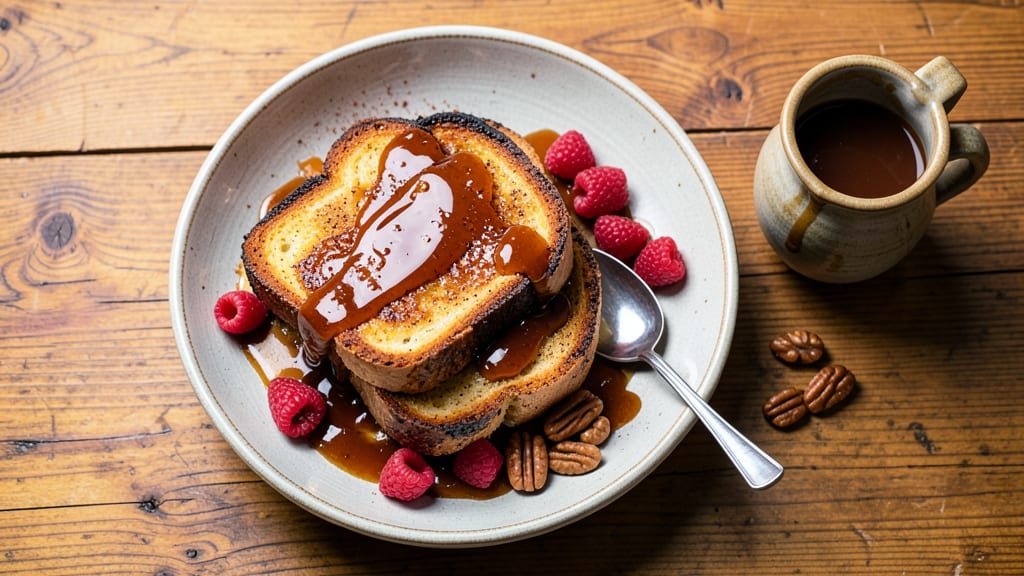
This artisan bread French toast recipe transforms stale sourdough or brioche into a restaurant-worthy breakfast with a crispy exterior and pillowy interior. The secret lies in a simple egg-cinnamon batter and the right soaking technique—no heavy syrup needed.
I’ve perfected this method after years of trial and error, ensuring every bite delivers that ideal contrast of textures and flavors.
The key to success is using high-quality artisan bread—sourdough for tangy depth or brioche for buttery richness—and soaking it just long enough to absorb the batter without turning soggy. A light dusting of powdered sugar and a drizzle of maple syrup elevate the dish without overpowering the bread’s natural character.
This recipe is designed to impress, whether you’re serving it for a weekend brunch or a cozy weeknight meal.
What sets this apart is the balance of crispiness and tenderness. Achieving that perfect golden-brown crust while keeping the inside soft requires attention to heat and timing, but the result is worth every effort.
The aroma of warm, buttery toast with a hint of cinnamon will fill your kitchen, making it impossible to resist.
Pair with fresh berries, whipped cream, or a sprinkle of nuts for added texture and flavor. Ready in under 30 minutes, this recipe delivers a breakfast that feels indulgent yet remains simple to prepare. Let’s get started!
Ingredients for artisan bread french toast
High-quality bread and simple pantry staples transform into restaurant-worthy French toast.
| Ingredient | Amount | Notes |
|---|---|---|
| Artisan Sourdough or Brioche Bread 🍞 | 8 slices | Stale but not hard, crust removed |
| Large Eggs 🥚 | 4 whole | Room temperature preferred |
| Granulated Sugar 🍚 | ¼ cup | For batter sweetness |
| Ground Cinnamon 🌿 | 1 tbsp | Freshly ground preferred |
| Vanilla Extract 💧 | ½ tsp | Pure vanilla preferred |
| Unsalted Butter 🧈 | 2 tbsp | Melted for cooking |
| Powdered Sugar 🍚 | ¼ cup | For dusting |
| Pure Maple Syrup 🍯 | ¼ cup | Grade B for depth |
| Sea Salt 🧂 | ½ tsp | Fine grain preferred |
| Fresh Berries 🍓 | 1 cup | Optional garnish |
| Heavy Whipping Cream 🥛 | ½ cup | Optional for topping |
The bread is everything here—sourdough for tangy depth or brioche for buttery richness works best. Look for artisan bakery slices at Whole Foods or local bakeries for that perfect texture. If using stale bread, check the crust—it should be firm but not rock-hard. Brioche from Trader Joe's is my go-to for weeknight meals, while sourdough from Eataly delivers that signature tang. Avoid day-old bread from the grocery store—it’s usually too dry. For best results, use bread that’s been sitting out for 2-3 days, or toast it lightly to mimic that texture.
No vanilla extract? Almond extract at half the amount works in a pinch, though the flavor shifts slightly. Running low on maple syrup? Honey or agave in a 1:1 swap keeps things sweet, but maple’s depth is ideal. The powdered sugar is purely decorative—skip it entirely if you prefer a more rustic look. For the butter, European-style unsalted like Plugrá melts beautifully, but any good-quality butter works. If you’re feeling fancy, add a pinch of cardamom to the batter for a sophisticated twist.
The batter keeps for up to 2 days in the fridge—just whisk before using. Freshly whipped cream should be used within 4 hours of whipping for best texture. Store powdered sugar in an airtight container to prevent clumping. For make-ahead prep, assemble the toast but hold off on cooking—soak the bread in the batter, wrap in parchment, and refrigerate for up to 12 hours. Reheat in a 375°F oven for 5-7 minutes to restore crispiness.
Why You'll Love This Recipe
- No Stale Leftovers: I swear by this trick—soak stale artisan bread overnight, and it transforms into something better than fresh. That crispy crust? Only happens when you use day-old sourdough or brioche, and it turns what would’ve been trash into treasure.
- Weeknight Magic: Three ingredients, one bowl, zero mess. Crack eggs, mix in sugar and cinnamon, dip bread—boom. Even my toddler can help with the dipping (and yes, she’s been known to lick the bowl).
- Sweet or Savory Swap: Same base, endless flavors. Drizzle with maple syrup for breakfast, sprinkle with smoked paprika for brunch, or top with whipped cream and berries for dessert. Honestly, I’ve served it at all three—no one’s complained yet.
- Budget Breakfast Luxury: Artisan bread’s pricey, but this recipe stretches it. Two slices of brioche feed four people, and the egg mixture costs pennies. It’s the fanciest way to use up that half-loaf before it gets crusty—no guilt, all satisfaction.
Step-by-step instructions for artisan bread French toast
This method delivers the perfect balance of crispy crust and tender interior every time.
Prepare the French Toast Batter
In a shallow bowl, whisk together the 4 whole Large Eggs until completely combined. Add the 0.25 cup Granulated Sugar, 1 tbsp Ground Cinnamon, 0.5 tsp Vanilla Extract, and 0.5 tsp Sea Salt, whisking until fully dissolved. The batter should be smooth with no visible streaks of flour or sugar.
I like to let the batter sit for 5 minutes at room temperature before dipping the bread. This allows the spices to fully integrate and creates a more cohesive texture. The batter should be thick enough to coat the bread but still flow easily when poured.
Heat the Pan and Melt the Butter
Heat a large skillet over medium heat and add the 2 tbsp Unsalted Butter. Let it melt completely, then swirl to coat the pan evenly. You want the butter to foam slightly but not brown—this ensures proper browning without burning. If the butter starts to darken too quickly, reduce the heat slightly.
This is where you'll get that signature crispy crust. The butter creates a golden, flavorful barrier between the bread and the pan, while the medium heat allows for even cooking without scorching. Don't rush this step; patience here makes all the difference.
Cook the French Toast to Golden Perfection
Working in batches, dip each slice of 8 slices Artisan Sourdough or Brioche Bread into the batter, letting any excess drip off. Place the bread in the skillet and cook for 2-3 minutes per side until the edges are deep golden brown and the interior is cooked through. You'll know it's ready when the bread releases easily from the pan and the underside has a crispy crust.
I press down gently on the bread during the first minute to ensure even contact with the pan. This prevents it from curling and guarantees that crispy crust on both sides. If the pan gets too crowded, work in smaller batches to maintain consistent heat and browning.
Serve with Maple Syrup and Fresh Berries
Transfer the cooked French toast to a serving platter and immediately drizzle with the 0.25 cup Pure Maple Syrup. For extra flair, dust with 0.25 cup Powdered Sugar and top with 1 cup Fresh Berries. The syrup should pool slightly on the plate, ready to be absorbed into the warm bread.
Optional: For a richer finish, warm the 0.5 cup Heavy Whipping Cream in a small saucepan until steaming (do not boil), then whisk until smooth and pour over the top. Serve immediately while the bread is still warm and the crust is at its crispest. The contrast of the crispy exterior and pillowy interior is what makes this dish truly special.
Pro Tips For Making Artisan Bread French Toast
- USE COLD BREAD ONLY: Sourdough and brioche stay fresher longer when cold—pull them straight from the fridge for the crispest crust and least soggy interior. I learned this the hard way after making toast with warm brioche that turned into mush within minutes.
- WHISK EGGS LIKE YOUR LIFE DEPENDS ON IT: Beat those eggs until they’re thick, pale, and ribbon-like—no streaks, no lumps. A hand mixer does this in 30 seconds, and the difference in texture is night and day. I used to eyeball it, and the toast always felt undercooked.
- SALT THE BUTTER: Skip the pre-salted butter here—add a pinch of flaky salt to your melted butter before brushing it on. The crust gets extra crisp, and the flavor pops without overpowering the cinnamon-vanilla mix. Yes, even if your butter claims to be "salted."
- DON’T OVERCROWD THE PAN: Two slices max per side—any more and the bread steams instead of sizzles, leaving you with damp, uneven toasting. I was skeptical until I tried it, and now I religiously wait for the first batch to brown before adding more.
Dietary considerations for artisan bread french toast
Gluten-Free Adaptations
For a gluten-free version, swap artisan bread for a high-quality gluten-free sourdough or brioche alternative like Canyon Bakehouse or Against the Grain. These brands mimic the texture of traditional bread while staying crispy when toasted.
I’ve found that gluten-free bread needs slightly longer soaking time—about 10-15 seconds per side—to absorb the batter fully without falling apart. 🌟
Vegan Egg Substitutes
Replace eggs with a flaxseed or aquafaba mixture for a vegan batter. Combine 4 tbsp ground flaxseed with 10 tbsp water (let it thicken for 5 minutes), then whisk in 0.25 cup maple syrup, 1 tbsp cinnamon, and 0.5 tsp vanilla.
The texture will be slightly denser, so cook the bread at medium-low heat to prevent burning. A nonstick skillet is essential to avoid sticking.
Dairy-Free Options
Use dairy-free butter (like Miyoko’s) or coconut oil for cooking, and swap heavy cream for coconut whipped cream (chill the can overnight for best results). The flavor shifts slightly, but the crispy crust remains intact.
For extra richness, add 1 tbsp nutritional yeast to the batter—it adds a cheesy, umami note that balances the sweetness.
Lower-Sugar Alternatives
Cut back on sugar by using 0.125 cup granulated sugar in the batter and 0.125 cup maple syrup for serving. Boost natural sweetness with 1 tsp vanilla bean paste (instead of extract) and a pinch of cardamom for warmth.
The texture stays tender, but the flavor profile becomes more complex. I’ve also had success with monk fruit sweetener (use half the amount of sugar).
Nut-Free & Allergen-Friendly
Skip the powdered sugar topping and opt for crushed freeze-dried strawberries or toasted coconut flakes for texture. For nut-free toppings, toasted pumpkin seeds add crunch without allergens. Always check labels on pre-made breads—Schär gluten-free bread is a safe bet for cross-contamination concerns.
When in doubt, stick to fresh berries and whipped cream for a foolproof, allergen-friendly finish.
Nutrition facts
Frequently asked questions
Can I use any type of artisan bread for this recipe?
While you can experiment, sourdough or brioche work best due to their texture and flavor. Sourdough adds tangy depth, while brioche delivers buttery richness. Avoid overly dense or dry breads—they won’t absorb the batter well. For best results, use bread that’s 2-3 days old or lightly toasted to mimic that ideal texture.
Why is my French toast turning out soggy instead of crispy?
Soggy toast usually means the bread soaked too long or the pan wasn’t hot enough. Dip slices for 5-7 seconds per side and cook over medium heat with melted butter. Let the bread rest 1 minute after dipping to absorb excess batter. Crowding the pan also lowers heat—work in batches for even browning.
How can I make this recipe ahead of time?
Assemble the batter and soak the bread, then wrap slices in parchment and refrigerate for up to 12 hours. Reheat in a 375°F oven for 5-7 minutes to restore crispiness. For make-ahead toppings, store powdered sugar in an airtight container and keep berries refrigerated. Warm the maple syrup gently before serving to maintain its depth.
What’s the best way to store leftovers?
Cool completely, then store in an airtight container for 2-3 days in the fridge. Reheat in a 350°F oven for 5-7 minutes until warmed through. Avoid microwaving—it makes the crust rubbery. For freezing, wrap individual slices in plastic wrap and freeze for up to 1 month. Thaw overnight in the fridge before reheating.
Can I use this batter for other bread types?
Yes! This batter works beautifully with challah, baguette, or even cornbread for a twist. For denser breads like cornbread, reduce soaking time to 3-5 seconds per side to prevent crumbling. The key is balancing soak time with bread density—always aim for a golden crust. For extra flavor, add 1 tsp lemon zest to the batter when using brioche.