
Main Courses
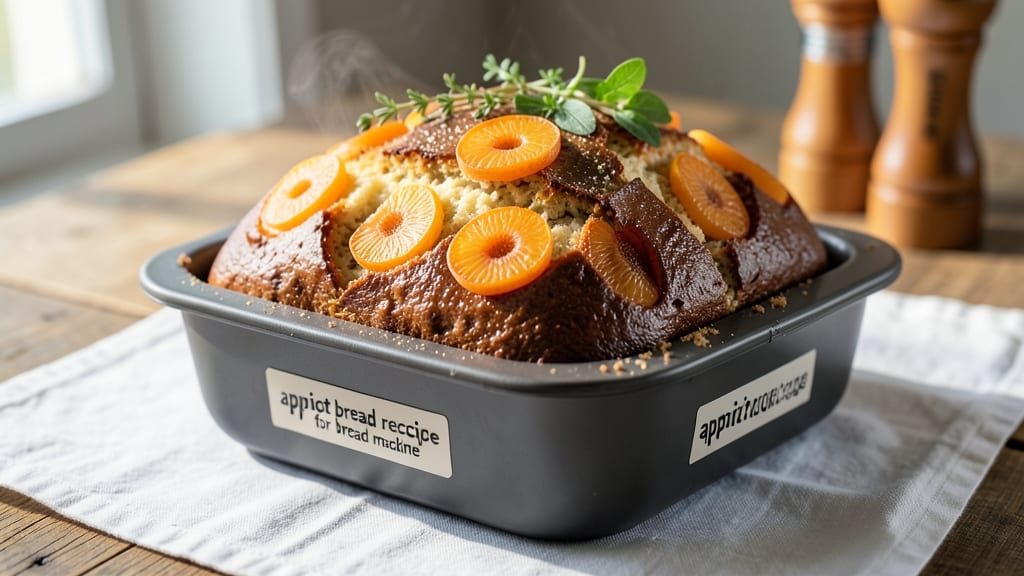
This apricot bread machine recipe transforms your daily loaf into a golden-crusted masterpiece with bursts of jammy apricot swirls—no yeast headaches or manual kneading required. The beauty of this method lies in letting your bread machine handle the heavy lifting while you focus on the sweet, fruity magic that makes every slice unforgettable. What starts as simple dough becomes a fragrant, tender loaf with a crispy crown and pockets of apricot goodness that disappear in minutes.
Professional bakers know the secret to perfect bread machine bread is in the details: precise hydration, the right dough cycle, and the timing of fruit additions.
This recipe balances moisture and structure so your loaf rises beautifully without becoming gummy, while the apricot filling adds just enough sweetness to complement (rather than overwhelm) the bread's natural flavor. The result? A loaf that's sturdy enough for sandwiches but tender enough to melt in your mouth.
What you'll end up with is a crusty-crowned loaf with a golden-brown exterior that cracks open to reveal soft, airy crumb and pockets of apricot jam swirled throughout. The aroma alone—warm bread mingling with ripe apricots—will have your kitchen smelling like a European bakery.
This recipe delivers restaurant-quality results with minimal effort, making it perfect for breakfast, dessert, or anytime you crave something sweet and satisfying.
Whether you're a bread machine novice or a seasoned pro, this recipe simplifies the process without sacrificing quality. The dough cycle handles all the kneading and rising, while the apricot filling adds that special touch that turns ordinary bread into something extraordinary.
Ready to bake? Here's everything you need to create your perfect loaf.
Ingredients for apricot bread recipe for bread machine
Sweet apricot swirls plus golden crust—your bread machine does all the work for this showstopper.
| Ingredient | Amount | Notes |
|---|---|---|
| All-Purpose Flour 🌾 | 4 cups | Spooned and leveled, not packed |
| Granulated Sugar 🍚 | ¼ cup | White sugar preferred |
| Dry Milk Powder 🥛 | ¼ cup | Non-fat works fine |
| Active Dry Yeast 🍞 | ½ tsp | Fresh yeast if available |
| Salt 🧂 | ½ tsp | Kosher or sea salt |
| Unsalted Butter 🧈 | ½ cup | Softened to room temperature |
| Large Eggs 🥚 | 1 whole | Room temperature preferred |
| Apricot Jam 🍑 | ½ cup | Thick, seedless variety |
| Apricot Preserves 🍑 | ¼ cup | For extra fruit intensity |
| Water 💧 | 1 ¼ cups | Warm, 110°F ideal |
| Bread Machine Setting 🍞 | 1 setting | Basic or sweet dough cycle |
The flour is non-negotiable here—King Arthur or Gold Medal give the best texture. Walmart or grocery store brands work too, but avoid bread flour if you want a lighter crumb. The jam matters just as much: Welch's or Smucker's are reliable, but local preserves add that homemade touch. For the preserves, look for brands with visible fruit chunks—Trader Joe's has great options. The dry milk powder is a secret weapon for extra richness; don't skip it. And that butter? Land O'Lakes or Plugrá melt beautifully for the dough.
No apricot jam? Peach or plum jam at half the amount works in a pinch. Short on preserves? Chopped dried apricots soaked in water can replace the extra fruitiness. The yeast is critical—if it's old, test it first in warm water with a pinch of sugar. It should foam in 5-10 minutes. For the water, filtered is best, but tap works if it's not hard. And that bread machine setting? Basic or sweet dough cycle—never the quick bread setting. The dough will be sticky, but that's perfect for the fruit swirls.
This loaf reheats beautifully—5 minutes at 350°F brings back that bakery-fresh aroma. Wrap leftovers in foil to keep them soft for 3 days. For extra crunch, toast slices lightly before serving. Freezes well too: slice and freeze for up to 3 months. I always make an extra loaf—it disappears fast, especially with that apricot goodness. Store in a paper bag to keep the crust crisp.
Why You'll Love This Recipe
- Set-and-Forget Magic: I’ll admit, I was skeptical about bread machines—until this. Toss in the flour, sugar, dry milk, and yeast, hit start, and the machine does all the work while I sip coffee. The apricots fold in later, but even that’s just a quick mix before the final rise.
- Sweet Without Being Cringy: Honestly, the sugar and dried milk give it a rich, almost custardy depth, but the apricots keep it from tasting like dessert. It’s the kind of bread that’s actually good for breakfast—no weird aftertaste, just warm, slightly chewy, and naturally sweet.
- Breakfast or Snack Hero: Between us, this bread is my go-to for lazy mornings and after-school pick-me-ups. Toast it for a quick bite, or pack slices for lunch—it stays fresh for days. The kids grab it straight from the pan, too, which is basically the gold standard.
- Budget Stretch Star: I buy dried milk in bulk, and the sugar stretches far when paired with pantry staples. A single batch feeds my family for three days, and the leftovers? Perfect for French toast or bread pudding. Zero waste, all flavor.
Step-by-step instructions for apricot bread machine recipe
Here's how to transform simple ingredients into a golden, fruity loaf with minimal effort.
Combine Wet Ingredients in the Bread Pan
In the bread machine pan, mix together the 1.25 cups warm water, 0.5 cup softened unsalted butter, 0.25 cup granulated sugar, 1 whole large egg, and 0.25 cup dry milk powder. Use a silicone spatula to blend until the butter is completely incorporated and the mixture looks smooth. The warm water helps activate the yeast later, so don't skip this step.
I like to press the mixture down gently with the spatula to eliminate any air pockets. This ensures even distribution of ingredients and prevents dense spots in the finished loaf. The butter should be soft enough to blend smoothly but not melted—you want it to stay in chunks for texture during baking.
Add Dry Ingredients and Mix Thoroughly
Sprinkle the 4 cups all-purpose flour and 0.5 teaspoon salt over the wet mixture. Use the spatula to gently fold these dry ingredients into the wet, cutting through the center and lifting from the bottom until everything is combined. You want to see no dry flour pockets remaining at the bottom of the pan.
Next, add the 0.5 teaspoon active dry yeast to the center of the dry ingredients. The yeast should settle into the flour mixture but not dissolve completely—it will activate during the machine's kneading cycle. Give the pan one final stir to ensure the yeast is fully incorporated into the dough.
Create the Apricot Swirl Pattern
Once the basic dough forms, use the spatula to create a well in the center. Pour 0.5 cup apricot jam and 0.25 cup apricot preserves into the well. Using the spatula, gently swirl the jam and preserves into the dough, creating ribbons that will become visible in the finished loaf. The goal is to distribute the fruit evenly without overmixing the dough.
I like to make 3-4 distinct swirls by dragging the spatula through the dough in a circular motion. This creates those beautiful fruit patterns you see in artisanal breads. Press down lightly on the dough to help it hold its shape during the kneading cycle—this prevents the fruit from bubbling up too much and gives you cleaner swirls.
Select Setting and Begin the Cycle
Choose the Basic or Sweet Dough cycle on your bread machine (depending on your model). The machine will automatically knead the dough for about 5-10 minutes until it becomes smooth and elastic. You'll see it transform from a shaggy mass into a cohesive dough that pulls away from the sides of the pan.
After kneading, the machine will shift to the rising phase. This is where the yeast activates and the dough doubles in size. You'll notice the dough rise to about ¾ of the way up the pan before it begins the baking cycle. The apricot swirls will become more pronounced as the dough expands, creating those stunning visual layers in your finished loaf.
Bake to Golden Perfection
The bread machine will automatically bake the loaf until it reaches an internal temperature of 190-210°F and develops a deep golden brown crust. This typically takes about 45-60 minutes, depending on your machine's settings. The crust should be firm to the touch and have a beautiful caramelized sheen from the apricot fruit.
When the cycle completes, remove the bread from the pan immediately and place it on a wire rack to cool for at least 15 minutes. This cooling period allows the internal structure to set properly, preventing a gummy texture. The aroma of warm apricot bread will fill your kitchen—trust me, it's worth the wait!
Pro Tips For Making Apricot Bread Recipe For Bread Machine
- Bloom the Yeast First: Skip mixing yeast with dry ingredients—dissolve it in warm water (110°F) with a pinch of sugar first. This guarantees it’s active before the dough starts kneading, or you’ll end up with a dense brick instead of fluffy apricot bread. (I learned this the hard way after a batch that looked like a doorstop.)
- Chill the Dough: Let the dough rise at room temp, then refrigerate it for 1–2 hours before the final rise. The cold slows fermentation, letting flavors meld and preventing overproofing—especially important with sweet apricot dough that can rise too fast. (Your future self will thank you when the bread doesn’t collapse.)
- Soften the Apricots: Pit and chop apricots, then simmer them in 2 tablespoons water for 5 minutes until soft. Straining them afterward keeps the dough from getting gummy, and the reduced liquid balances the sugar better. (Yes, even if you’re impatient like me—this step makes a real difference.)
- Use Bread Flour: Swap 10% of the all-purpose flour for bread flour (e.g., 30g out of 300g). The extra gluten handles the sugar and fruit better, giving you a lighter texture without extra effort. (I was skeptical until I tried it—the crumb is noticeably better.)
Dietary considerations for this apricot bread recipe for bread machine
Gluten-Free Adaptations
For a gluten-free version, replace the all-purpose flour with a 1:1 gluten-free flour blend like King Arthur Measure for Measure or Bob's Red Mill. These blends mimic the structure of regular flour, ensuring your loaf still rises properly.
Use 4 cups of the blend and add 1 teaspoon xanthan gum to improve elasticity. The dough will be stickier, so wet your hands or use a silicone spatula when handling it. 🌾
Dairy-Free Options
Swap the dry milk powder and butter for dairy-free alternatives. Use ½ cup unsweetened almond milk powder (like Anthony's) in place of the dry milk and ½ cup dairy-free butter (such as Miyoko's or Earth Balance).
The texture will be slightly denser, but the apricot flavor remains vibrant. For extra richness, add 1 tablespoon olive oil to the wet ingredients.
Reduced Sugar Version
Cut the granulated sugar to ¼ cup and replace the remaining ¼ cup with unsweetened applesauce or mashed banana for natural sweetness. This reduces calories while keeping the bread moist.
Pair with unsweetened apricot jam (like Bonnie's) to balance the flavors. The crust will be slightly less golden, but the interior stays tender and fruity.
Nut-Free Considerations
If nut allergies are a concern, avoid almond milk powder and opt for soy milk powder (like Organic Soy Milk Powder) instead. For the butter, stick with dairy-free margarine (such as Country Crock Plant Butter) to ensure safety.
Always double-check labels to confirm nut-free processing facilities. The bread’s texture remains consistent, and the apricot filling stays the star.
Lower-Carb Modifications
Transform this into a keto-friendly loaf by replacing 3 cups of flour with 3 cups almond flour (finely ground) and adding 1 teaspoon psyllium husk powder for binding. Reduce the sugar to 2 tablespoons and use sugar-free apricot jam (like Smucker's Natural Sweetened with Stevia).
Expect a denser texture but with a rich, buttery flavor from the almond flour. 💪
Nutrition facts
Frequently asked questions
Can I use store-bought apricot jam instead of fresh apricots? This recipe is designed specifically for store-bought apricot jam and preserves—they provide the perfect sweet-tart balance and thick texture that works beautifully with bread machine dough. The jam swirls create stunning visual layers while adding natural moisture without making the bread gummy. Just
Why does my bread machine dough look too wet after mixing?
This is completely normal! The dough should be sticky but manageable when you create the apricot swirls. The extra moisture comes from the fruit filling and butter, which helps create that tender crumb. If it's extremely sticky, wet your hands slightly when handling it. The machine's kneading cycle will gradually firm it up as it develops gluten.
How can I make the apricot swirls look more professional?
Create clean swirls by first pressing the dough into a flat disk in the pan. Then use a spatula to make 3-4 deep cuts from the center outward, creating sections. Spoon the jam into the center and gently fold the dough sections over it. For extra definition, press down lightly on the swirls after they're formed—they'll become more pronounced as the dough rises and bakes.
What if my bread machine doesn't have a sweet dough setting?
No problem! Use the basic dough setting instead. The extra sugar in the recipe will automatically adjust the baking cycle slightly. Just monitor the crust color closely—it may brown faster than regular bread. If it starts getting too dark, cover loosely with foil during the final 10 minutes of baking to prevent over-browning.
Can I add nuts or chocolate chips to this apricot bread?
While the recipe is designed to highlight the apricot flavor, you can absolutely add ¼ cup chopped pecans or walnuts or ½ cup chocolate chips to the dough before the kneading cycle. Just be aware these will make the bread denser. For best results, fold them in after creating the apricot swirls so they don't disrupt the fruit patterns too much.