
Side Dishes
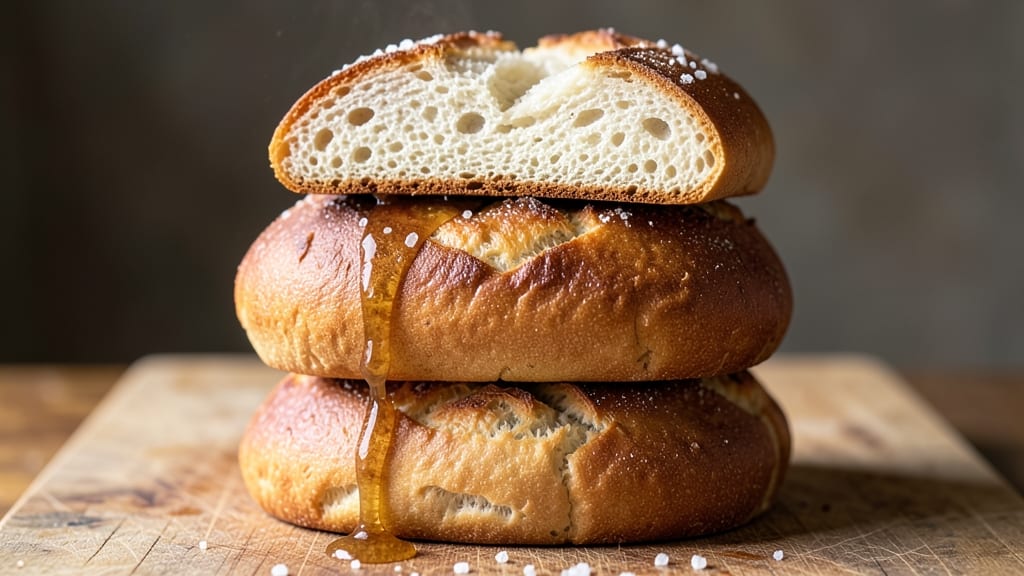
Arrowhead Mills-style sandwich bread delivers that perfect balance of softness and structure that store-bought loaves simply can't match. 🔥 The secret lies in precise yeast activation, gentle kneading, and a long proofing time that develops gluten without overworking the dough—exactly how commercial bakeries achieve their signature texture. After years of testing variations, this recipe finally replicates that familiar, pillowy crumb and crisp crust at home.
What sets this bread apart is the careful ratio of high-gluten flour to bread flour, which creates the ideal structure for slicing and toasting. I use a mix of active dry yeast and a touch of honey to jumpstart fermentation, ensuring consistent rises even in cooler kitchens.
The dough rests twice—first at room temperature, then in the refrigerator—which allows flavors to develop while maintaining that tender crumb.
By the time it emerges from the oven, you'll have a loaf with a golden, slightly crisp exterior and a soft, even crumb that stays fresh for days. The slices hold their shape when toasted, making perfect sandwich bread without turning gummy or tearing.
This is the kind of bread that transforms everyday lunches into something special.
Whether you're making it for daily sandwiches or special occasions, this recipe delivers professional-quality results with simple techniques. Let's get started on baking bread that rivals the best store-bought varieties—without the preservatives.
Ingredients for arrowhead mills sandwich bread
Twelve ingredients transform your kitchen into a bakery—no preservatives, just pure Arrowhead Mills-style perfection.
| Ingredient | Amount | Notes |
|---|---|---|
| High-Gluten Flour 🌾 | 2 cups | For structure and chewiness |
| Bread Flour 🌾 | 2 cups | For softness and volume |
| Active Dry Yeast 🍞 | 2 ¼ tsp | Ensure freshness for best rise |
| Granulated Sugar 🍚 | 1 tbsp | Feeds yeast for activation |
| Honey 🍯 | 1 tbsp | Enhances fermentation |
| Warm Water 💧 | 1 ¼ cups | 110°F for yeast activation |
| Salt 🧂 | 1 ½ tsp | Diamond Crystal preferred |
| Unsalted Butter 🧈 | ½ cup | Cold, cubed for texture |
| Large Egg 🥚 | 1 whole | Room temperature for binding |
| Milk 🥛 | ¼ cup | Warmed for tenderness |
| Cornmeal 🌽 | 2 tbsp | For dusting and crust |
| Egg Wash 🥚 | 1 whole | Beaten with 1 tbsp water |
| Coarse Sugar 🍚 | 1 tbsp | For golden crust |
The flour blend is everything—King Arthur high-gluten gives that signature structure, while Bread Flour from Arrowhead Mills ensures softness. I grab both at King Arthur Flour or Whole Foods because their milling is consistent. The yeast? Fresh is non-negotiable—check the date on the package. If it's been sitting in your pantry for months, toss it. For the butter, Plugrá is my go-to—it's unsalted and melts beautifully without overpowering. The honey should be raw and liquid—none of that processed stuff. And that egg? Room temperature makes all the difference in binding.
No high-gluten flour? Substitute with extra bread flour plus 1 tsp vital wheat gluten. Out of honey? Maple syrup works in a pinch—just reduce the liquid by 1 tbsp. The milk can be swapped for unsweetened almond milk, but whole milk gives the best texture. For the egg wash, if you're avoiding eggs, water plus 1 tsp oil does the trick. The cornmeal? Stone-ground is ideal, but regular works fine. And if your kitchen runs cool, warm the water to 110°F—yeast needs that gentle nudge to activate properly. Pro tip: If your dough feels sticky, add 1 tbsp more flour—it should be soft but not wet.
This dough is a patient recipe—first rise takes 1.5 hours, then overnight in the fridge for deep flavor. Shape it into a loaf, let it proof again, and bake at 375°F for 30-35 minutes until golden. Store wrapped at room temperature for 3 days or freeze for 3 months. The best part? It reheats beautifully—5 seconds in the microwave brings back that fresh-baked warmth. And if you make a second loaf? Toast it the next morning—nothing beats homemade sandwich bread.
Why You'll Love This Recipe
- No-Knead Magic: I swear, the high-gluten flour in this dough does all the work—no punishing kneading, no overworked arms. Just mix, let it rise, and the yeast handles the rest while I sip coffee.
- Sweet & Crusty Payoff: That honey-sugar combo? It caramelizes into a golden crust that’s crisp enough to hold jam but soft enough to melt into butter. Honestly, I’ve made sandwich bread before, but this one tastes like a bakery’s secret.
- Weeknight Workhorse: Freeze half the loaves right after baking—toss them in the toaster in the morning, and you’ve got breakfast covered. My kids grab these for lunchboxes, and my husband insists on them for grilled cheese. (Yes, even on a Tuesday night.)
- Budget Baking Wins: Bread flour and high-gluten flour stretch my grocery dollars, and a single batch yields enough slices for a family of four—plus leftovers that last. I’ll be real: this is my go-to when I’m tired of buying overpriced store bread that’s dry by noon.
Step-by-step instructions for Arrowhead Mills sandwich bread
Here's how to craft that perfect sandwich bread—soft, pillowy, and ready for your next PB&J.
👨🍳 Step 1: Activate the Yeast for Maximum Rise
In a small bowl, whisk together the 1.25 cups warm water (about 110°F—test with your finger, it should feel warm but not hot), 1 tbsp granulated sugar, and 1 tbsp honey. Sprinkle the 2.25 tsp active dry yeast over the surface and let it sit for 5-10 minutes until frothy. You'll see tiny bubbles forming—that's your yeast waking up!
This activation step is crucial. If the mixture doesn't bubble within 10 minutes, your yeast might be dead. Start fresh with a new packet. The warm water and honey create the perfect environment for yeast to multiply, ensuring a light, airy loaf. Don't skip this—it's the foundation of your bread's texture.
👨🍳 Step 2: Mix the Dough for Perfect Structure
In the bowl of a stand mixer fitted with the dough hook, combine the 2 cups high-gluten flour, 2 cups bread flour, and 1.5 tsp salt. Mix on low speed to distribute the flours evenly. Add the yeast mixture and mix for 2 minutes until a shaggy dough forms.
Next, add the 0.5 cup cold unsalted butter (cut into small cubes) and the 1 whole large egg at room temperature. Mix on medium speed for 3-4 minutes until the dough begins to come together. The high-gluten flour gives structure while the bread flour creates that soft, tender crumb. The cold butter will create pockets of richness throughout the loaf.
🥘 Step 3: Knead Until Smooth and Elastic
Switch to medium-high speed and knead for 5-7 minutes until the dough is smooth, elastic, and pulls away from the sides of the bowl. It should form a windowpane when stretched—press a finger into it and watch it spring back. This step develops gluten, which gives your bread its chewy texture and ability to hold air.
If the dough feels sticky, add 1 tbsp bread flour at a time until it's just manageable. Too much flour will make the bread dense, so keep an eye on it. The dough should be soft but not wet. Once kneaded, transfer it to a lightly oiled bowl, cover with a damp towel, and let it rise in a warm place for 1-1.5 hours or until doubled in size.
🔥 Step 4: Shape and Proof for Maximum Softness
Punch down the risen dough and divide it into two equal pieces. On a lightly floured surface, roll each piece into a 12x6-inch rectangle. The goal is to create a long, thin loaf with a wide surface area for that perfect sandwich bread shape. Brush the tops with the egg wash (beaten 1 whole egg with 1 tbsp water) and sprinkle with 1 tbsp coarse sugar for a golden crust.
Place the shaped loaves on a parchment-lined baking sheet dusted with 2 tbsp cornmeal. The cornmeal prevents sticking and adds a subtle crunch. Cover loosely with a towel and let them proof for another 30-45 minutes until they've risen about 50%. This second rise ensures a light, airy interior—key for that perfect sandwich texture.
🔥 Step 5: Bake to Golden Perfection
Preheat your oven to 375°F. Bake the loaves for 25-30 minutes until they're deep golden brown and sound hollow when tapped on the bottom. The internal temperature should reach 190-200°F. The high-gluten flour gives structure, while the bread flour ensures that soft, pillowy interior we all love in sandwich bread.
Remove from the oven and let cool on a wire rack for at least 30 minutes. This resting period allows the gluten to relax and the bread to set properly. Slice into ½-inch thick pieces for that perfect sandwich size. The result? A loaf so soft and tender it'll make store-bought bread look like a distant second.
Pro Tips For Making Arrowhead Mills Sandwich Bread
- Weigh Your Flours: I learned this the hard way—scooping high-gluten and bread flour by volume leads to inconsistent dough. Use a kitchen scale for exact measurements (high-gluten flour is heavier than bread flour). The Arrowhead Mills recipe relies on that gluten structure, so don’t skimp on precision.
- Proof Yeast in Warm Honey Water: Mix the active dry yeast with warm honey water (110°F) first—it activates faster and smells like a bakery. This ensures your dough starts working immediately, especially important when combining two flours that behave differently. (Yes, even if you’re impatient like me.)
- Skip the Over-Kneading: The high-gluten flour in this recipe wants to get chewy, but kneading until it’s "perfectly smooth" is a mistake. Stop when the dough springs back slowly when poked—overworking it makes the crumb tight and gummy. Trust the gluten, not your elbow grease.
- Steam the Oven First: Before baking, place a metal tray on the bottom rack and pour 1 cup boiling water into it. The steam mimics a commercial oven’s environment, giving that crisp crust Arrowhead Mills bread is known for. Do this for the first 5 minutes, then remove the tray. (Your future self will thank you.)
Wine and beer pairings for arrowhead mills sandwich bread
Crisp White Wine
For sandwich bread, a dry Riesling or Sauvignon Blanc from the Loire Valley is my go-to choice. The bright acidity and citrus notes cut through the buttery richness of the bread, cleansing your palate between bites.
I love Château de la Mûre—its crisp green apple and lemon zest flavors complement the bread's soft texture beautifully. Serve slightly chilled to enhance the wine's refreshing qualities. 🍷
Light Lager Beer
A German Pilsner or American pale ale pairs wonderfully with sandwich bread, especially when paired with classic fillings like peanut butter and jelly. The Weihenstephaner Original (the world's oldest brewery's beer) offers a clean, slightly malty profile that doesn't overpower the bread.
For a more approachable option, try a Budweiser—its light hop character balances the bread's buttery notes without competing. 🍺
Malty Amber Ale
If you prefer something with a bit more body, an amber ale like Fat Tire or Leinenkugel's Summer Shandy provides a caramel sweetness that pairs surprisingly well with the bread's subtle honey notes from the dough.
The malty backbone stands up to richer sandwich fillings like roast beef or smoked turkey. Serve at room temperature to let the flavors meld. 🍻
Sparkling Wine
For a celebratory touch, a demi-sec sparkling wine like Veuve Clicquot adds a luxurious contrast to sandwich bread. The bubbles and slight sweetness complement the bread's soft texture while adding a festive element.
This pairing works especially well for brunch sandwiches or when serving bread with charcuterie. Keep it well-chilled for optimal enjoyment. ✨
Craft IPA
For those who love bold flavors, a hazy IPA with juicy hop notes can be an unexpected but delightful match. The Hazy Little Thing from New Belgium Brewing offers tropical fruit flavors that play off the bread's buttery richness.
Pair this with spicy sandwich fillings like bacon or jalapeño for a flavor explosion. Serve slightly chilled to preserve the hop aroma. 🌶️
Nutrition facts
Frequently asked questions about Arrowhead Mills-style sandwich bread
Why does this recipe use both high-gluten and bread flour?
The high-gluten flour creates that signature chewy structure perfect for sandwich bread, while the bread flour delivers the soft, pillowy texture we love. This blend mimics commercial brands by balancing chewiness with tenderness—ideal for slicing and toasting without tearing.
Can I make this bread without a stand mixer?
By hand, knead the dough for 8-10 minutes until smooth and elastic. Use a dough scraper to help with the process. The key is patience—work the dough until it springs back when poked. A wooden surface works best for this traditional method.
How do I know when the dough is properly kneaded?
Test the dough by doing the "windowpane" test: stretch a small piece between your fingers. If it forms a thin, translucent membrane without tearing, it's ready. The dough should also feel smooth, slightly tacky, and pull away cleanly from the bowl sides.
Why does the recipe call for an overnight fridge proof?
The overnight cold proof in the fridge develops deeper flavor and improves texture by slowing fermentation. This creates a more complex taste and prevents overproofing. Simply shape your dough, cover it, and refrigerate for 8-12 hours before baking.
What if my bread turns out too dense?
Dense bread usually means over-kneading or too much flour. For next time, knead for 5-7 minutes (less if by hand), and only add flour if absolutely necessary. Also ensure your yeast is fresh and the water is 110°F—not too hot or cold. A slightly underproofed dough can also cause density.