
Side Dishes
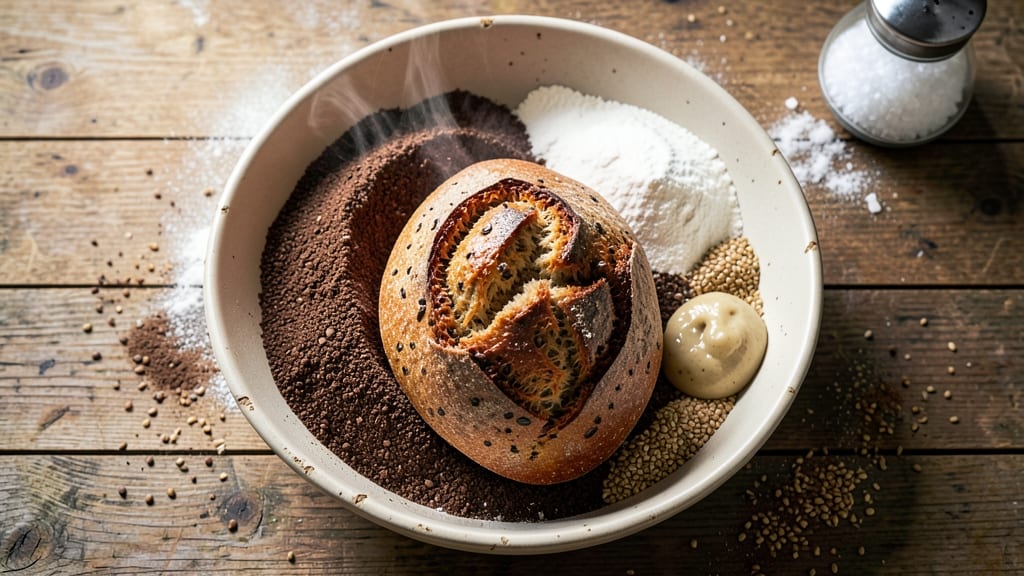
This artisan sourdough rye bread recipe delivers the perfect marriage of tangy depth and crispy crust that defines great bread. The key lies in balancing rye's dense texture with the airy rise of sourdough fermentation—something I perfected after years of experimenting with hydration levels and fermentation times.
What makes this recipe special is how it transforms simple ingredients into a loaf with complex flavor and satisfying crunch, all while maintaining that signature sourdough tang.
The process begins with a robust sourdough starter that provides both lift and acidity, then incorporates rye flour for its distinctive earthy notes and chewy texture. I've included an autolyse step to develop gluten properly, followed by a long bulk fermentation that builds flavor depth.
The shaping technique creates tension in the dough, resulting in that coveted open crumb structure and crispy crust when baked at high heat. This isn't just bread—it's a textural and flavor experience that rivals artisanal bakeries.
By the time you pull this loaf from the oven, you'll have a loaf with a deep mahogany crust that shatters when broken, revealing an open crumb filled with pockets of air and flecks of rye.
The flavor profile balances the bread's natural sweetness with the tang of sourdough and the earthy complexity of rye. The aroma alone will have your kitchen smelling like a European bakery, and each slice offers that perfect combination of chewy interior and crisp exterior.
Whether you're serving it with butter and jam for breakfast or pairing it with hearty soups, this bread becomes the star of any meal. The recipe includes options for adding seeds or nuts for extra texture, making it versatile for different tastes.
Let's get started on creating your perfect artisan loaf—one that will have everyone asking for seconds.
Ingredients for artisan sourdough rye bread
Simple flours, a lively starter, and a touch of honey—this is your golden ticket to bakery-quality bread.
| Ingredient | Amount | Notes |
|---|---|---|
| Active Sourdough Starter 🍞 | ½ cup | 100% hydration, bubbly and active |
| Rye Flour 🌾 | 2 cups | Dark rye for best flavor |
| All-Purpose Flour 🌾 | 2 cups | For structure and lift |
| Whole Wheat Flour 🌾 | ½ cup | Adds depth and nutrition |
| Water 💧 | 2 ½ cups | Room temperature preferred |
| Salt 🧂 | 1 ½ tsp | Diamond Crystal kosher |
| Honey 🍯 | 1 tbsp | For fermentation boost |
| Olive Oil 🫒 | 1 tbsp | Extra-virgin for richness |
| Sesame Seeds 🌿 | 1 tbsp | Optional for texture |
| Flaxseeds 🌾 | 1 tbsp | Optional for crunch |
| Cornmeal 🌽 | ½ cup | For dusting baking sheet |
The sourdough starter is non-negotiable here—it's what gives that signature tang. King Arthur or Bob's Red Mill flours work beautifully, but rye matters most. Look for dark rye flour at specialty stores or the international aisle of big-box markets—it's worth the hunt for that deep, earthy flavor. If you're new to sourdough, feed your starter 12 hours before baking to ensure it's at peak activity. The honey? Just a spoonful to feed those yeast and bacteria—don't skimp, but don't overdo it either. And for the flours, measure by weight if you can—cups can vary wildly between brands.
No rye flour? Substitute with extra whole wheat, but expect a denser loaf. Running low on honey? Maple syrup works in a pinch. The sesame and flaxseeds are optional but add that satisfying crunch—toast them first for even better flavor. If you're baking in a dry climate, increase water by 1 tbsp to compensate. And here's a pro tip: let your dough rest in the fridge overnight if you're short on time—it develops even more flavor that way.
This dough is a patient one—let it rest for at least 4 hours before shaping. The longer it ferments, the better it tastes. Store your starter in the fridge between uses, and it'll keep for weeks. The baked loaf? Wrap tightly in a cotton towel and it'll stay fresh for 5-7 days. Freeze slices for up to 3 months—perfect for quick toast. And if you're feeling fancy, brush the crust with melted butter right after baking for extra richness.
Why You'll Love This Recipe
- No-Knead Magic: I’ll be real—this dough comes together in five minutes of mixing, then just rests. No punishing kneading, no fancy equipment, just your starter and a bowl. Honestly, the hardest part is waiting for the oven to heat up.
- Earthy, Tangy Crunch: That rye flour gives it a deep, nutty bite, while the sourdough starter adds a bright, almost vinegary lift. It’s not sweet—it’s bold, like a campfire loaf with a sophisticated twist. (Yes, even on a Tuesday night.)
- Weeknight & Weekend Hero: Slice it thick for breakfast toast with butter, pack it in lunches, or serve it warm with smoked salmon. The crust stays crisp for days, so it’s my go-to for meal prep or impressing guests. Between us, it’s the only bread I bake that actually gets used up.
- Pantry-Friendly Power: Rye flour’s cheap, whole wheat adds fiber, and you’re using up that starter you already have. A single batch feeds four for days—leftovers turn into croutons, breadcrumbs, or French toast. Budget win? Absolutely. Waste? Zero.
Step-by-step instructions for artisan sourdough rye bread
Here's how to craft a loaf with deep rye flavor and that perfect crusty exterior.
Mix the Dough with Tangy Precision
In a large mixing bowl, combine the 0.5 cup Active Sourdough Starter, 2 cups Rye Flour, 2 cups All-Purpose Flour, and 0.5 cup Whole Wheat Flour. Mix these dry ingredients with a wooden spoon until the rye flour's dark color is evenly distributed throughout. The rye flour will give your bread its distinctive deep flavor and dense texture.
In a separate small bowl, whisk together the 2.5 cups Water, 1 tbsp Honey, 1 tbsp Olive Oil, and 1.5 tsp Salt until the salt and honey dissolve completely. The honey not only adds subtle sweetness but also acts as a natural fermentation booster. Pour this wet mixture into the bowl with the dry ingredients and stir vigorously until a shaggy dough forms. You'll notice the rye flour creates a thicker, stickier dough than all-purpose flour—this is normal and expected.
Develop the Dough Through Bulk Fermentation
Turn the dough out onto a lightly floured surface and knead gently for about 5 minutes until it becomes smooth and elastic. The rye flour will make it less elastic than wheat-only dough, so don't overwork it—just enough to bring everything together. Shape the dough into a loose ball and place it back in the mixing bowl.
Cover the bowl with a damp kitchen towel or plastic wrap and let it ferment at room temperature for 4-6 hours. You're looking for the dough to nearly double in size and develop plenty of bubbles throughout. The rye flour ferments differently than wheat, so it may take slightly longer to rise. Poke the dough gently with your finger—if it springs back slowly but leaves a slight indentation, it's ready for shaping. The tangy aroma from the sourdough starter will be more pronounced now, signaling active fermentation.
Shape and Cold Proof for Maximum Flavor
Transfer the fermented dough to a lightly floured surface and divide it into 4 equal portions (about 8 ounces each). Shape each portion into a round boule by pulling the edges toward the center and sealing tightly. The rye content makes the dough heavier, so handle it gently to avoid deflating the bubbles. Place the shaped boules seam-side up on a baking sheet dusted with 0.5 cup Cornmeal—this prevents sticking and adds a subtle crunch to the crust.
Cover the boules loosely with plastic wrap and refrigerate for 12-16 hours. This cold proofing step intensifies the rye flavor and creates a more open crumb structure. In the morning, remove the dough from the refrigerator and let it sit at room temperature for 1 hour before baking. The cold proofing also helps the dough retain its shape during baking, preventing it from spreading too much in the oven.
Bake to Crusty Perfection
Preheat your oven to 425°F with a Dutch oven inside for at least 30 minutes. The Dutch oven creates steam, which is crucial for developing that signature crusty exterior and open crumb. Once preheated, carefully transfer one boule to the hot Dutch oven (use a piece of parchment paper to slide it in if needed). Immediately sprinkle the top with 1 tbsp Sesame Seeds and 1 tbsp Flaxseeds for added texture.
Bake covered for 30 minutes, then remove the lid and bake uncovered for an additional 15-20 minutes until the crust is deep golden brown and sounds hollow when tapped on the bottom. The internal temperature should reach 205-210°F at the center. The rye bread will have a denser crumb than wheat bread, but you should still see an open, airy texture with visible holes. The crust should be crispy enough to shatter slightly when broken, with a beautiful mahogany color from the caramelization.
Cool and Enjoy the Fruits of Fermentation
Remove the bread from the Dutch oven and transfer it to a wire rack to cool completely. Resist the temptation to slice it immediately—the bread needs at least 1 hour to cool and firm up. The contrast between the dense, moist interior and the crispy exterior develops fully during this cooling period. The rye flavor will deepen as it cools, becoming more complex and satisfying.
Once cooled, slice the bread and serve with your favorite toppings. The combination of rye's earthy notes and the sourdough's tangy depth creates a flavor profile that's both hearty and sophisticated. Store any leftovers wrapped in a bread bag at room temperature for up to 3 days, or freeze for up to 3 months for maximum freshness.
Pro Tips For Making Artisan Sourdough Rye Bread
- Hydrate the Rye First: I learned this the hard way—dumping rye flour directly into the mix makes a gummy mess. Instead, mix the rye with water (about 1.5x the weight of flour) and let it sit for 20 minutes before adding to the dough. This breaks down the starches and prevents a dense, heavy crumb.
- Use Cold Water for Autolyse: Skip the warm water temptation—cold water (around 60°F/15°C) slows fermentation just enough to give you control. Mix your flours (rye, all-purpose, whole wheat) with cold water first, then add the sourdough starter later. This step makes handling the sticky dough far easier.
- Don’t Overproof the Rye: Rye dough ferments faster than wheat—watch it like a hawk. Poke the dough gently; if it springs back slowly (not immediately), it’s ready. Overproofing turns your loaf into a dense brick. I now set a timer for 4-5 hours max at room temp, then check every 30 minutes.
- Add a Little Extra Yeast: Rye’s sour tang can overpower if the starter isn’t lively. If your sourdough starter is sluggish (floats test fails), toss in 0.1% instant yeast (by dough weight) to give the fermentation a nudge. It’s subtle but makes the difference between a bold, balanced loaf and one that tastes underbaked.
Best sauces and condiments for this artisan sourdough rye bread
Classic Mustard Spread
This bread's earthy rye flavor pairs beautifully with Dijon-style mustard—its tangy brightness cuts through the richness while enhancing the sourdough's depth. I recommend Maille Mustard for its smooth texture and balanced sharpness.
Spread 2 tablespoons on each slice before toasting, or mix 1 tablespoon with 1 tablespoon honey for a sweet-and-tangy glaze. The mustard's acidity also helps balance any overly sweet toppings like jam or caramelized onions. 🌟
Smoked Salmon Topping
For a luxurious spread, top slices with smoked salmon and a dollop of crème fraîche mixed with lemon zest. The salmon's smoky notes complement the rye's earthiness, while the crème fraîche adds a creamy contrast.
Use 2 ounces of salmon per loaf and serve with capers and red onion slices for extra texture. This combo works especially well for breakfast or light lunches. The bread's crusty exterior holds up perfectly to the delicate fish. 🍣
Whole-Grain Nut Butter
Swap traditional butter for whole-grain almond or peanut butter to amplify the bread's hearty profile. Look for 100% nut butters like Smucker's Natural or Justin's—they're free from added sugars and oils.
Warm the nut butter slightly to spread easily, then drizzle with honey or maple syrup for a sweet contrast. The nuts' crunch pairs wonderfully with the bread's chewy interior. For extra protein, add chia seeds or hemp seeds on top. ✨
Spicy Avocado Mash
Blend 1 ripe avocado with 1 tablespoon lime juice, ½ teaspoon chili powder, and salt to taste for a creamy, spicy spread. The avocado's healthy fats and the chili's heat create a vibrant contrast to the bread's earthy notes.
Top with crumbled feta cheese and sliced radishes for a refreshing, Mediterranean-inspired twist. This works especially well for sandwiches or as a dip for toasted slices. 🌶️
Herbed Butter Compound
Infuse ½ cup softened butter with 1 tablespoon fresh rosemary, 1 tablespoon fresh thyme, 1 minced garlic clove, and ½ teaspoon black pepper. Mix well and chill for 30 minutes to let the flavors meld.
Spread generously on warm slices and top with sliced heirloom tomatoes or roasted garlic. The herbed butter adds an aromatic depth that elevates the bread's natural flavors. Store leftovers in an airtight container for up to 5 days. 💚
Sweet Caramelized Onion Jam
Slow-cook 2 cups thinly sliced onions with 2 tablespoons brown sugar, 1 tablespoon balsamic vinegar, and ½ teaspoon cinnamon until caramelized (about 45 minutes). Spread the jam on toasted slices and top with brie cheese or Gouda for a sweet-savory masterpiece.
The jam's depth enhances the rye's earthiness, while the cheese adds a creamy finish. Store the jam in a sterilized jar in the fridge for up to 2 weeks. 🍯
Nutrition facts
Frequently asked questions
Why does rye flour make my sourdough denser than regular bread?
Rye flour has less gluten-forming protein than wheat flour, which means it can't stretch and hold air bubbles as effectively. The dense texture comes from rye's higher fiber and starch content, which creates a heavier crumb structure. The sourdough fermentation helps lighten it slightly by developing gluten where possible, but expect a chewier, heartier loaf compared to all-wheat sourdough. This is actually what gives rye its signature satisfying bite!
Can I substitute pumpernickel flour for regular rye flour?
Yes, but expect a slightly different flavor profile. Pumpernickel is a darker, molasses-infused rye that gives a sweeter, more robust taste. Use a 1:1 substitution, but reduce the honey to ½ tablespoon since pumpernickel already adds sweetness. The texture will be even denser, so increase your bulk fermentation time by 1-2 hours to compensate.
What's the best way to revive stale sourdough rye?
Preheat your oven to 350°F and wrap the stale loaf tightly in aluminum foil. Bake for 10-15 minutes until warmed through. The steam will partially restore the crust's crispness while keeping the interior moist. For extra crunch, brush with melted butter after reheating. This method works best within 3 days of baking—after that, the texture becomes too dense to revive properly.
How do I know if my sourdough starter is strong enough for rye bread?
Your starter should float in water (the float test) and have visible bubbles throughout when dropped into water. For rye bread specifically, it should also pass the double-volume test: after feeding, it should double in size within 4-6 hours at room temperature. Rye dough ferments slower, so a more active starter helps prevent flat loaves. If yours is sluggish, feed it 24 hours before baking for maximum strength.
Can I make this bread without a Dutch oven?
Use a heavy oven-safe skillet or cover your baking sheet with foil and add ice cubes before baking. When you put the dough in, the ice will create steam for 10 minutes, then remove the foil. The crust won't be quite as crispy, but you'll still get a good oven spring and flavorful loaf. For best results, bake at 450°F instead of 425°F to compensate for the lack of steam.