
Side Dishes
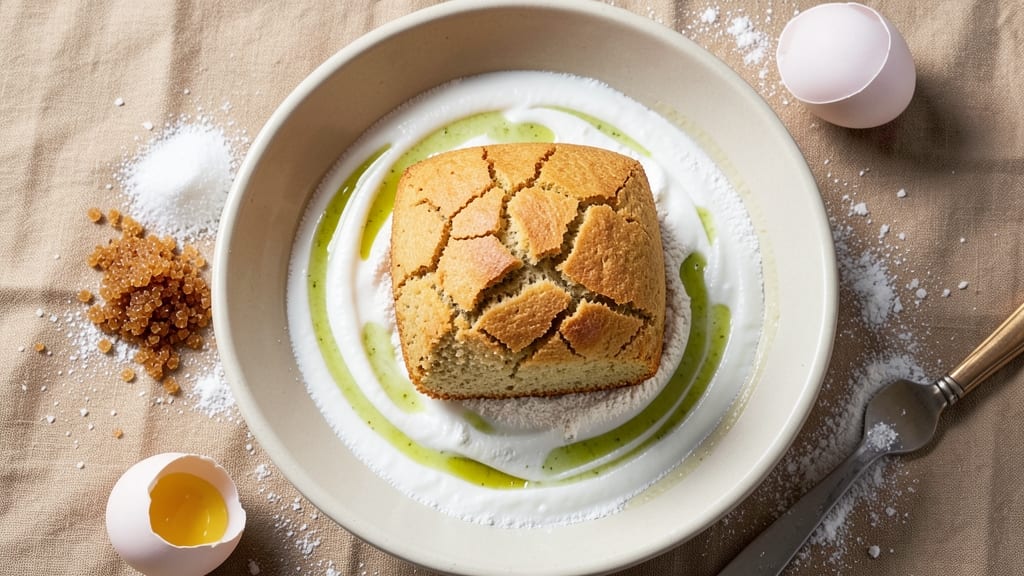
This Asian coconut bread recipe delivers the perfect balance of tropical moisture and nutty crunch—a Southeast Asian-inspired loaf that's become my go-to for brunch or dessert.
The secret lies in combining coconut milk with a touch of pandan extract, creating that signature floral aroma and tender crumb that keeps slices juicy for hours. I developed this after years of experimenting with Asian-inspired baked goods, and it's now a staple in my kitchen.
The recipe builds on traditional techniques with modern convenience: a simple mix of flour, sugar, and eggs creates the base, while shredded coconut and toasted coconut flakes add both texture and flavor.
What makes this bread special is how it bakes up with a golden crust that's just crisp enough, while the interior remains soft and slightly chewy—like a cross between a cake and a quick bread.
The pandan extract, if you can find it, gives that authentic Southeast Asian touch, though vanilla works beautifully as a substitute.
By the time it emerges from the oven, you'll have a loaf that's fragrant with coconut and just sweet enough to satisfy any craving. The nutty crunch from toasted coconut flakes on top adds visual appeal and texture contrast with every bite.
This bread pairs perfectly with tea or coffee, makes excellent toast, and even holds up well for gifting—its rich aroma alone makes it irresistible.
For those looking to adapt, a simple swap of coconut milk for almond milk and using coconut sugar instead of white sugar creates a delicious vegan version. The recipe scales easily too, so you can bake two loaves for gatherings without any fuss. Let's get started on this tropical-inspired treasure!
Ingredients for asian coconut bread
Pantry staples meet tropical flavors in this fragrant coconut bread—just 12 ingredients for a loaf that's perfect for brunch or dessert.
| Ingredient | Amount | Notes |
|---|---|---|
| All-Purpose Flour 🌾 | 2 ½ cups | Sifted for even texture |
| Granulated Sugar 🍚 | 1 cup | White or light brown |
| Coconut Sugar 🥥 | ½ cup | For caramel notes (optional) |
| Large Eggs 🥚 | 2 whole | Room temperature preferred |
| Unsweetened Coconut Milk 🥥 | 1 ½ cups | Full-fat for richness |
| Vegetable Oil 🫒 | ½ cup | Or melted coconut oil |
| Pandan Extract 🌿 | ½ tsp | Or vanilla extract substitute |
| Baking Powder 🧂 | 1 ½ tsp | Freshly measured |
| Salt 🧂 | ½ tsp | Fine sea salt preferred |
| Shredded Unsweetened Coconut 🥥 | 1 ½ cups | Packed, not sweetened |
| Toasted Coconut Flakes 🥥 | ½ cup | For nutty crunch topping |
| Vanilla Extract 🍯 | 1 tsp | Pure vanilla for flavor |
The coconut milk is non-negotiable here—full-fat canned coconut milk gives the best texture, but if you're using carton coconut milk, choose the thickest one you can find. Trader Joe's and Asian markets usually have the best options, but any store's canned section will work. For the shredded coconut, unsweetened is a must—sweetened will make the bread cloyingly sweet. Toast your coconut flakes in a dry pan for 2-3 minutes until golden; that nutty aroma is what makes this bread special. If you can't find pandan extract, vanilla works just as well, though it won't have that floral Southeast Asian touch.
No coconut milk? Almond milk or cashew milk can stand in, though the flavor won't be identical. Running low on coconut sugar? White sugar works 1:1, but you'll lose some of that caramel depth. For a vegan version, swap eggs for 2 tbsp ground flaxseed + 6 tbsp water (let it thicken for 5 minutes). The baking powder is crucial—don't use baking soda unless you've got an acid (like buttermilk) to balance it. And if you're feeling fancy, add a pinch of cardamom to the dry ingredients for an extra layer of warmth.
This bread keeps beautifully for 3 days wrapped in plastic at room temperature, or 1 week in the fridge. For longer storage, slice and freeze—it reheats perfectly in the toaster or oven. I always make two loaves when I bake this; one disappears in a day, and the second gets sliced for toast or dessert. The nutty crunch from the toasted flakes stays crisp for about 2 days, so don't wait too long to enjoy that texture!
Why You'll Love This Recipe
- No Mixer Needed: I swear by this recipe when I’m too tired to crank up the stand mixer. Just fold the coconut milk into the dry ingredients—no beating required—and the eggs bind everything together like magic. The dough’s soft but sturdy, and it rises beautifully without fuss.
- Tropical Twist: That first bite? Pure coconut caramel heaven. The sugars (regular + coconut) create a subtle crunch on the outside while the inside stays moist and buttery, like a cross between a brioche and a tropical muffin. Honestly, I’ll take this over plain white bread any day.
- Breakfast to Snack: Between us, this bread is my secret weapon. Toast it for breakfast with peanut butter, pack slices for lunch, or serve warm with butter for dinner. The coconut milk keeps it rich but not heavy—perfect for when I’m craving something sweet but still want substance.
- Budget-Friendly Staples: I use this recipe when I’m low on ingredients because the pantry basics (flour, sugar, eggs) are always on hand. The coconut milk adds luxury without breaking the bank, and a single batch feeds my family for days. Plus, it freezes like a dream—no more sad, stale bread at the back of the fridge.
Step-by-step instructions for Asian coconut bread
This tropical loaf delivers perfect moisture and nutty crunch every time—just follow these simple steps.
Prep and Mix Wet Ingredients
In a large mixing bowl, whisk together the 2 whole large eggs until fully combined. Add the 1.5 cups unsweetened coconut milk, 0.5 cup vegetable oil, 1 tsp vanilla extract, and 0.5 tsp pandan extract. Mix until smooth—this creates the bread's signature rich, fragrant base.
I like to use room-temperature eggs for better emulsification, but if they're straight from the fridge, let them sit for 10 minutes first. This step ensures the coconut milk and oil blend seamlessly, preventing any separation later. The pandan extract gives that authentic Asian aroma—don't skip it if you want that tropical flavor.
Combine Dry Ingredients
In a separate bowl, sift together the 2.5 cups all-purpose flour, 1 cup granulated sugar, 0.5 cup coconut sugar, 1.5 tsp baking powder, and 0.5 tsp salt. Gently fold this dry mixture into the wet ingredients using a spatula, mixing just until combined—overmixing develops gluten and makes the bread dense.
This is where the magic happens—the coconut sugar adds subtle caramel notes while balancing the sweetness of the granulated sugar. The baking powder ensures a light, airy crumb. Mix until you see no more flour streaks, but don't overwork the batter. The texture should be like thick pancake batter with a slight sheen.
Fold in Coconut and Prepare the Loaf Pan
Gently fold in the 1.5 cups shredded unsweetened coconut using your spatula. Be careful not to break up the shreds too much—you want visible coconut throughout. Lightly grease an 8x4-inch loaf pan with vegetable oil or line it with parchment paper for easy removal.
Here's the thing—don't pack the coconut into the batter. Just distribute it evenly so each slice gets that tropical surprise. The shredded coconut should stay visible but well-incorporated. Tap the pan gently on the counter a few times to release any air bubbles that might have formed during mixing.
Bake to Golden Perfection
Pour the batter into the prepared loaf pan and sprinkle the 0.5 cup toasted coconut flakes evenly on top. Bake in a preheated 350°F oven for 45-50 minutes until the top is golden brown and a toothpick inserted in the center comes out clean. The bread should pull away slightly from the sides of the pan.
I know it seems like a long time, but patience is key here. The coconut milk makes this bread moist, so it needs that full baking time to set properly. If the top browns too quickly, tent the pan with foil after 30 minutes to prevent over-browning while allowing the center to cook through.
Cool and Serve
Remove the bread from the oven and let it cool in the pan for 10 minutes, then transfer to a wire rack to cool completely. This resting period allows the moisture to distribute evenly, preventing a gummy texture. The bread will be moist but firm enough to slice after cooling.
Slice into 8 equal portions—each piece should reveal that beautiful coconut swirl throughout. The exterior will have a delicate golden crust, while the interior stays soft and slightly chewy with pockets of coconut goodness. Serve warm for the best texture, or store wrapped at room temperature for up to 3 days.
Pro Tips For Making Asian Coconut Bread
- Whisk Eggs Until Pale: Beat those eggs until they’re light and ribbony—no streaks, no yellow yolks clinging to the bowl. I used to rush this, and the bread turned dense. Take the extra 30 seconds; it’s what makes the crumb tender and the rise smooth.
- Measure Coconut Milk Precisely: The can says “13.5 oz,” but that’s after opening—pour it into a measuring cup first. Too little milk makes the batter dry; too much drowns the flour’s structure. I learned this after a batch collapsed like a sad soufflé.
- Don’t Overmix the Batter: Stop folding in the coconut milk as soon as the dry ingredients disappear. Overmixing develops gluten, and this bread’s magic is in its soft, slightly cakey texture. Glance at the batter—when it’s just combined, it’s done.
- Bake at 325°F, Not Higher: Coconut bread burns faster than it looks. I cranked the oven to 350°F once and ended up with a charred top and a raw center. Stick to 325°F and use the toothpick test—if it comes out clean after 30 minutes, it’s ready.
Regional styles of these flavors
Thai Pandan Bread
In Thailand, this bread often incorporates pandan leaves for a fragrant, floral note instead of pandan extract. Simmer 2-3 fresh pandan leaves in 1 cup water for 10 minutes, then strain and use the infused liquid to replace the coconut milk in the recipe.
The result is a lighter, more aromatic loaf with a delicate green hue throughout. I've made this version for Thai New Year celebrations, and it pairs beautifully with Thai iced tea or nam cham (spicy shrimp dip). 🌿
Indonesian Kue Lapis
Indonesian kue lapis (layered coconut cake) takes inspiration from this bread but with a twist—it's baked in a round pan with alternating layers of coconut and batter. Use the same recipe but divide the batter in half.
After baking the first layer for 20 minutes, spread ½ cup shredded coconut on top, then pour the remaining batter. Bake an additional 30-35 minutes until set. The layers create a stunning visual effect, perfect for special occasions like Eid or birthday celebrations. 🎉
Filipino Bibingka Bread
For a Filipino-inspired version, swap the coconut milk for 1 cup coconut cream (the thick part from a can of coconut milk) and add ½ cup grated young coconut to the batter. Top with ½ cup toasted sesame seeds instead of coconut flakes.
Bake at 325°F for 50-55 minutes—this lower temperature enhances the caramelization of the coconut cream. Serve warm with latik (coconut caramel) drizzled on top, a classic pairing for Filipino holidays. 🥥
Vietnamese Chè Bread
In Vietnam, this bread often appears as a sticky rice-inspired dessert called bánh chè. Replace 1 cup of the all-purpose flour with 1 cup glutinous rice flour and reduce the coconut milk to 1 cup.
Add ½ cup red bean paste to the batter for a sweet, nutty filling. Bake in a 9-inch round pan for 40-45 minutes at 350°F. The result is a chewy, slightly sticky loaf that's perfect with Vietnamese coffee or green tea. 🍵
Malaysian Roti Coconut
For a Malaysian twist, transform this bread into a savory flatbread by omitting the sugar and adding 1 tsp ground turmeric and 1 tsp ground coriander to the dry ingredients. Replace the shredded coconut with ½ cup finely chopped lemongrass (steeped in ¼ cup hot water for 10 minutes).
Shape the batter into small patties and pan-fry in 2 tbsp coconut oil until golden on both sides. Serve with sambal or cucumber slices for a refreshing, spicy-sweet contrast. 🌶️
Japanese Coconut Melon Pan
Japan's melon pan meets tropical flavors in this fusion version. Use the same batter but shape it into a melon pan mold (or a round cake pan with a melon-like texture on top). Before baking, press ½ cup toasted coconut flakes into the top in a melon-slice pattern.
Bake at 350°F for 40-45 minutes. The crispy coconut topping mimics melon rind, while the soft interior delivers the familiar melon pan experience. Perfect with matcha green tea for a modern twist. 🍈
Nutrition facts
Frequently asked questions
Can I make this bread without pandan extract?
If you can't find pandan extract, use 1 tsp vanilla extract instead—it'll give a familiar sweetness without the floral notes. For a more authentic Asian flavor, try ½ tsp cardamom or 1 tsp rose water as alternatives. The bread will still taste delicious, just with a slightly different aromatic profile.
Why is my coconut bread dense instead of light and fluffy?
Overmixing the batter develops too much gluten, making the bread dense. Mix just until combined—think "lumpy pancake batter." Also ensure your baking powder is fresh (test by mixing 1 tsp with water; it should foam). Using room-temperature eggs and coconut milk helps too. If it still turns out dense, check your oven temperature with an oven thermometer—350°F is critical!
How do I store leftovers to keep the coconut flakes crispy?
Wrap the cooled loaf tightly in plastic wrap and store at room temperature for 2 days max to preserve crispness. For longer storage, slice and freeze—reheat individual slices in the toaster for 30 seconds to restore crunch. Avoid refrigerating whole loaves, as moisture makes the coconut soggy. Toasting slices before serving also revives texture beautifully!
Can I add other mix-ins like nuts or chocolate chips?
Yes! Fold in ½ cup chopped macadamia nuts or ½ cup mini chocolate chips with the shredded coconut. For nuts, toast them first to enhance flavor. Keep mix-ins to ½ cup total to maintain the bread's signature moisture. Dark chocolate pairs especially well with coconut's sweetness—try 70% dark chocolate for balance.
What's the best way to serve this bread?
Warm slices make perfect toast with butter or coconut cream, or serve as-is with Thai iced tea or Vietnamese coffee. For dessert, drizzle with coconut caramel (latik) or sprinkle with toasted sesame seeds. The nutty crunch pairs well with fresh mango slices or whipped coconut cream for a tropical platter.