
Side Dishes
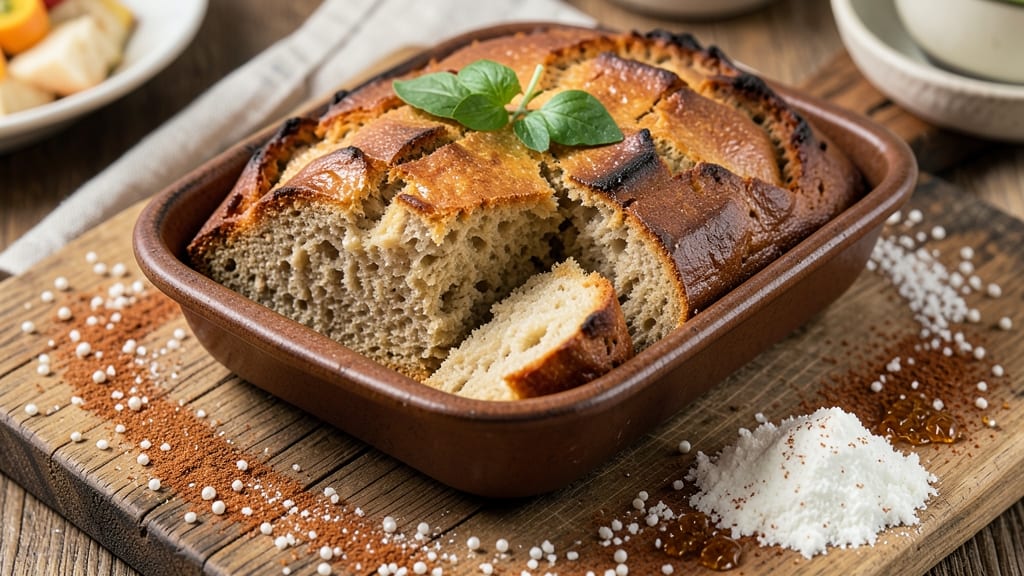
This authentic Jamaican coco bread recipe brings the warm, spiced flavors of Jamaica straight to your kitchen. 🌟 The secret lies in the rum infusion and coconut flour, creating a tender crumb with a caramelized crust that’s perfect for breakfast or as a side.
I’ve perfected this recipe through years of baking, ensuring every bite delivers that signature Jamaican taste.
The dough combines cornmeal, coconut, and warm spices like nutmeg and cinnamon for a fragrant, slightly sweet bread. Unlike many recipes, this version includes a touch of spiced rum (or rum extract) that infuses the dough with deep, aromatic notes while baking.
The result is a bread with a crispy exterior and a soft, moist interior—ideal for pairing with jam, butter, or even savory dishes.
Baking at 350°F for about 30 minutes yields a golden, caramelized crust that’s irresistible. The bread’s versatility makes it a staple in Jamaican households, whether enjoyed fresh from the oven or toasted the next morning. This recipe stays true to tradition while being simple enough for home bakers to recreate.
Serve it warm with a pat of butter, a drizzle of honey, or alongside a hearty breakfast. The aroma alone will transport you to Jamaica’s sunny shores. Let’s get baking!
Ingredients for authentic jamaican coco bread
Eight servings of this Jamaican coco bread bring warm, spiced flavors and a caramelized crust to your table.
| Ingredient | Amount | Notes |
|---|---|---|
| All-Purpose Flour 🌾 | 3 cups | Sifted for light texture |
| Cornmeal 🌽 | 1 cup | Fine grind preferred |
| Unsweetened Coconut Flour 🥥 | ½ cup | Not coconut powder |
| Granulated Sugar 🍚 | ½ cup | White or light brown |
| Baking Powder 🧂 | 2 tsp | Aluminum-free preferred |
| Ground Cinnamon 🌿 | 1 tsp | Freshly ground preferred |
| Ground Nutmeg 🌿 | ½ tsp | Freshly grated nutmeg |
| Salt 🧂 | ½ tsp | Fine sea salt |
| Spiced Rum 🍹 | ¼ cup | Or rum extract |
| Shredded Coconut 🥥 | 1 cup | Sweetened or unsweetened |
| Large Eggs 🥚 | 2 whole | Room temperature |
| Unsalted Butter 🧈 | ½ cup | Cold, cubed |
| Milk 🥛 | ¾ cup | Whole milk preferred |
| Vanilla Extract 🍯 | 1 tsp | Pure vanilla preferred |
The coconut flour is key—it gives that signature texture, but don’t skip sifting it first (it’s dense!). Bob’s Red Mill or Anthony’s Goods brands are reliable. For the rum, Appleton Estate or Havana Club work beautifully, but any good-quality spiced rum will do. If you’re avoiding alcohol, use rum extract—just a teaspoon of extract equals the flavor of the rum. The shredded coconut should be unsweetened for authenticity, though sweetened works if that’s what you have. Look for freshly grated nutmeg in the spice aisle—pre-ground loses potency fast.
No spiced rum? Dark rum with a pinch of cinnamon and cloves mimics the flavor, or skip it entirely (though the bread won’t be quite as aromatic). Swap coconut flour for all-purpose flour in a pinch, but the texture will be denser. The butter should be cold when mixed in—this ensures flaky layers. For the milk, whole milk adds richness, but 2% or almond milk works if that’s what you’ve got. The eggs need to be room temperature for even mixing, so take them out 30 minutes before baking. If you’re short on time, a quick warm bath in lukewarm water does the trick.
This dough keeps well in the fridge for up to 3 days, covered tightly. For longer storage, freeze the dough in a loaf pan for up to 3 months—just thaw overnight before baking. The baked bread stays fresh for 2-3 days at room temperature, wrapped in a clean kitchen towel. For extra crispiness, reheat slices in a toaster or oven at 300°F for 5 minutes. Slice while warm for the best texture, and store leftovers in an airtight container.
Why You'll Love This Recipe
- No Mixer Needed: I swear by this—just a bowl and a spoon. The coconut flour blends in like magic, no lumps, no fuss, and that cornmeal gives it a texture that’s almost like a quick bread but way more interesting.
- Tropical Crunch: Honestly, that first bite—warm, slightly sweet, with that crispy edge from the cornmeal—is my idea of heaven. The sugar caramelizes just enough to make it taste like a little vacation in every slice.
- Breakfast or Snack: Between us, I’ve had this cold for lunch, toasted with butter for breakfast, and even as a side with stewed beans. It’s the kind of bread that doesn’t need an excuse to show up.
- Lasts All Week: I make a double batch on Sundays, and it’s still perfect by Friday. The coconut flour keeps it from getting stale, and the sugar? Just enough to make it irresistible when you’re craving something sweet but don’t want dessert.
Step-by-step instructions for Jamaican coco bread
Here's how to craft this traditional Caribbean treat with its signature caramelized crust and tender crumb.
👨🍳 Step 1: Prepare the Dry Ingredients
In a large mixing bowl, whisk together the 3 cups all-purpose flour, 1 cup cornmeal, 0.5 cup unsweetened coconut flour, 0.5 cup granulated sugar, 2 teaspoons baking powder, 1 teaspoon ground cinnamon, 0.5 teaspoon ground nutmeg, and 0.5 teaspoon salt. Sift the mixture through a fine-mesh sieve to aerate and remove any lumps. This step ensures your bread will rise properly and have that signature light texture.
I like to press the mixture through the sieve with a rubber spatula to break up any stubborn clumps. The coconut flour will make the batter slightly denser, but don't worry—it's what gives that authentic Jamaican flavor and moisture. Keep this mixture set aside for now while you prepare the wet ingredients.
🍳 Step 2: Mix the Wet Ingredients
In a separate bowl, melt the 0.5 cup unsalted butter in a microwave-safe dish for 30-45 seconds until just soft but not liquid. Let it cool slightly, then whisk it together with the 0.75 cup milk, 2 whole large eggs, 1 teaspoon vanilla extract, and 0.25 cup spiced rum. The rum adds depth of flavor and helps create that caramelized crust—don't skip this traditional ingredient.
I always use room-temperature eggs for better emulsification with the butter. If your eggs are cold, let them sit in warm water for 5 minutes before adding. The mixture should be smooth but slightly thick—this is normal. Fold in the 1 cup shredded coconut at this stage, reserving about 2 tablespoons for topping later.
🥘 Step 3: Combine and Fold Gently
Gradually add the dry ingredients to the wet mixture, folding gently with a silicone spatula until just combined. Be careful not to overmix—you should still see some dry flour streaks. The batter will be thick and sticky, almost like a dense cake batter. This is perfect for creating that moist, tender crumb.
Here's the thing—this batter needs to be handled with care. Overmixing develops gluten, which can make your bread dense instead of light. If the mixture seems too thick, add 1 tablespoon milk at a time until it reaches a consistency where it just holds its shape when dropped from a spoon.
🔥 Step 4: Bake for Caramelized Perfection
Preheat your oven to 350°F and grease a 9x5-inch loaf pan generously with butter or line it with parchment paper. Pour the batter into the prepared pan and sprinkle the reserved 2 tablespoons shredded coconut evenly over the top. Bake for 50-55 minutes until a toothpick inserted in the center comes out clean and the top is deep golden brown with caramelized spots.
I press down gently on the bread during the first 10 minutes of baking—this prevents it from rising too quickly in the pan and ensures even cooking. The rum will evaporate slightly, creating that signature aromatic crust. If the top browns too quickly, tent the pan loosely with aluminum foil to prevent over-browning while allowing steam to escape.
⏰ Step 5: Rest and Serve
Remove the bread from the oven and let it cool in the pan for 10 minutes, then transfer to a wire rack to cool completely. This resting period allows the moisture to redistribute, resulting in a more tender crumb. Jamaican coco bread is best served warm or at room temperature—it's perfect for breakfast with butter or jam, or as a sweet treat with tea.
For that extra-authentic touch, brush the warm bread with a little more spiced rum or drizzle with a simple honey glaze made from 2 tablespoons honey and 1 tablespoon warm water. The contrast of the warm, spiced bread with the cool honey creates an irresistible combination that's pure Jamaican comfort.
Pro Tips For Making Authentic Jamaican Coco Bread
- Mix the Coconut First: Sift the unsweetened coconut flour before adding it to the dry ingredients—this prevents clumping, which I learned the hard way when my first batch turned out dense and uneven. A quick whisk with the all-purpose flour and cornmeal ensures everything blends smoothly.
- Grease That Pan Well: Jamaican coco bread sticks to pans if you’re not careful. Use a mix of butter and coconut oil (about 1 tablespoon each) to coat the pan thoroughly—don’t just wipe it with oil. The butter adds flavor, and the oil keeps the bread from tearing when you flip it.
- Steam the Loaf: After pouring the batter, place the pan in a cold oven, then turn the heat to 350°F (175°C). The residual heat creates steam, which helps the bread rise evenly and gives it that signature soft, pillowy texture. Skip this, and you’ll end up with a dry, cracked top.
- Weigh the Coconut Flour: Measuring coconut flour by volume is a disaster—it’s too light and fluffy. Use a kitchen scale for accuracy; ¼ cup (28g) is what you need. If you’re not near a scale, spoon it into the measuring cup and level it off with a knife—don’t scoop it directly from the bag.
Pro cooking tips for this recipe
Rum Infusion Secrets
For that signature Jamaican aroma, use spiced rum (like Appleton Estate or Havana Club) rather than regular rum—the spices in it (cinnamon, cloves, nutmeg) infuse deeper flavor.
If you can't find spiced rum, mix ½ cup dark rum with ½ teaspoon ground cinnamon and ¼ teaspoon ground cloves to mimic the effect. For a non-alcoholic version, 1 teaspoon rum extract works perfectly—it’s concentrated and captures the essence without the liquid. 🍹
Coconut Flour Tips
The unsweetened coconut flour is non-negotiable for authenticity, but it absorbs moisture differently than regular flour. Measure it by weight (if possible) for accuracy—45 grams equals 0.5 cup. Sift it thoroughly to prevent clumping, and don’t skip the sifting step with the dry ingredients.
If your batter feels too dry, add 1 tablespoon milk at a time until it reaches a thick but pourable consistency. The coconut flour gives the bread its signature texture, but it’s also what makes the dough dense—handle it gently to avoid overworking the gluten. 🥥
Baking Time Mastery
Bake at 350°F for 50-55 minutes, but keep an eye on it after 40 minutes—the rum infusion can cause uneven browning. Press down gently on the bread with a spatula during the first 10 minutes to prevent rapid rising and ensure even cooking.
If the top browns too quickly, tent the pan loosely with aluminum foil to slow the process while allowing steam to escape. The internal temperature should reach 190-200°F for a perfectly tender crumb. 🔥
Resting for Texture
Let the bread cool in the pan for 10 minutes before transferring it to a wire rack—this step is crucial for redistributing moisture and preventing a gummy texture. Jamaican coco bread is best served warm or at room temperature, so don’t rush this step.
If you’re short on time, reheat slices in a toaster or oven at 300°F for 5 minutes to restore that fresh-from-the-oven warmth. The longer it rests, the more tender and flavorful it becomes. ⏰
Crust Enhancement
For an extra-caramelized crust, brush the warm bread with a little more spiced rum or a honey glaze (mix 2 tablespoons honey with 1 tablespoon warm water). This adds a glossy finish and balances the spiced flavors.
If you prefer a sweeter bread, sprinkle the top with an extra 2 tablespoons shredded coconut before baking. The rum and honey combo elevates the bread to restaurant-quality—trust me, it’s worth the effort! 💫
Equipment Essentials
Use a 9x5-inch loaf pan for the classic shape, but a pullman pan (9x4.5-inch) works too. Grease it generously with butter or line it with parchment paper for easy removal. A silicone spatula is perfect for folding the batter gently without overmixing.
For even baking, place the pan on the middle rack of your oven. If your oven runs hot, reduce the temperature to 340°F to prevent over-browning. 🌡️
Nutrition facts
Frequently asked questions
Can I make this bread without rum?
Yes! For a non-alcoholic version, substitute the 0.25 cup spiced rum with 1 teaspoon rum extract or ½ cup dark rum mixed with ½ teaspoon cinnamon and ¼ teaspoon cloves. The bread will still have depth of flavor, though the caramelized crust may be slightly less aromatic.
Why does my coco bread turn out dense?
Overmixing the batter develops gluten, making the bread dense. Mix just until combined—you should see flour streaks. Also, ensure your coconut flour is sifted and the butter and eggs are room temperature. If the batter feels too dry, add 1 tablespoon milk at a time. The resting period after baking is key too!
How do I store leftover coco bread?
Wrap cooled bread tightly in a kitchen towel or store in an airtight container at room temperature for 2-3 days. For longer storage, freeze the baked loaf for up to 3 months. To reheat, warm slices in a toaster or oven at 300°F for 5 minutes for that fresh-from-the-oven texture.
Can I use coconut powder instead of coconut flour?
No—coconut powder is much finer and sweeter. Use unsweetened coconut flour (not coconut meal) for authenticity. If you’re out of coconut flour, you can substitute with all-purpose flour, but the texture will be less moist and less authentic. The flour’s high fiber content is what gives coco bread its signature tenderness.
What’s the best way to serve this bread?
Serve warm with butter, honey, or jam for a classic Jamaican breakfast. It’s also delicious toasted with a sprinkle of cinnamon or paired with black coffee or tea. For a savory twist, try it with cheese or smoked fish—the coconut and spices balance beautifully.