
Side Dishes
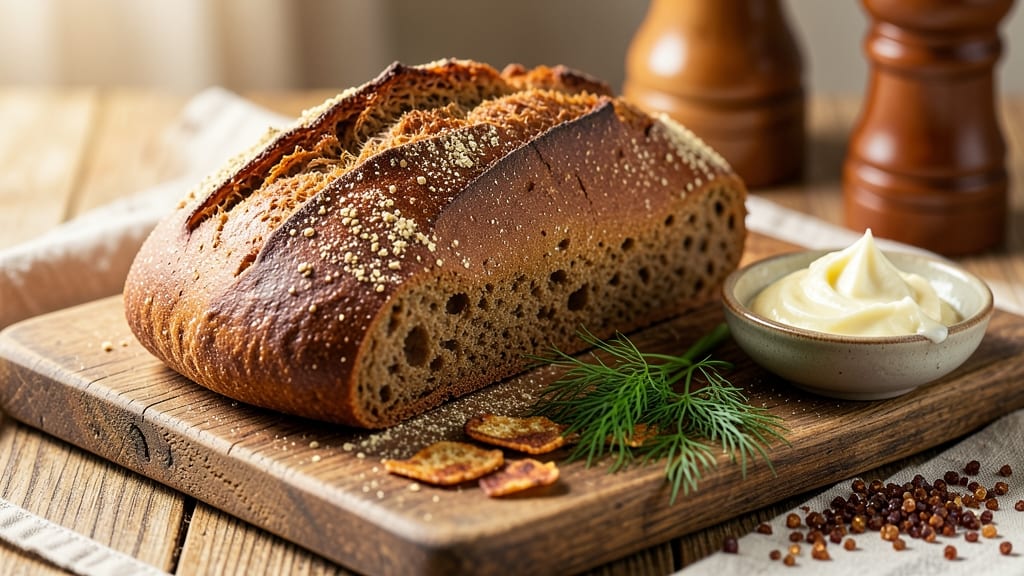
This authentic Jewish rye bread recipe brings the heart of Eastern European bakeries to your kitchen, where every slice carries the weight of tradition and the aroma of caraway seeds.
The dense, slightly sweet crumb and crisp, caraway-kissed crust are the hallmarks of this bread, a staple in Jewish homes for generations. What sets this recipe apart is the use of a natural sour starter—a living culture that develops depth of flavor over time, transforming simple ingredients into something extraordinary.
The process begins with a slow fermentation that builds complexity, followed by careful kneading to develop the bread's signature chewy texture. Shaping and scoring the loaves are just as important as baking—each technique ensures the bread rises properly and develops that coveted crust.
This isn't just bread; it's a labor of love, a connection to ancestors who turned flour, water, and time into sustenance and tradition.
By the time you pull this loaf from the oven, you'll have a bread that's dense yet tender, with a crust that crackles with caraway seeds and a crumb that's moist without being heavy.
The aroma alone will transport you to a bustling deli or a family Shabbat table. Perfect for sandwiches, toast, or served alongside soups, this bread is a centerpiece that demands to be shared.
For those new to sourdough starters, don't worry—this recipe includes guidance on building and maintaining yours, so you can achieve authentic results even if you're just starting. Let's get started on creating a bread that's as much a part of your tradition as it is of Jewish heritage.
Ingredients for authentic jewish rye bread
Four loaves of tradition, built on a living starter and ancient grains.
| Ingredient | Amount | Notes |
|---|---|---|
| Active Sourdough Starter 🍞 | 1 cup | Unfed, bubbly, and active |
| All-Purpose Flour 🌾 | 2 cups | For starter feeding |
| Rye Flour 🌾 | 3 cups | Dark rye for authentic flavor |
| All-Purpose Flour 🌾 | 1 cup | For bread dough structure |
| Dark Brown Sugar 🍚 | ¼ cup | For subtle sweetness |
| Instant Yeast 🍞 | ½ tsp | Boosts fermentation |
| Warm Water 💧 | 1 ½ cups | 105-110°F for activation |
| Salt 🧂 | 1 ½ tsp | Diamond Crystal preferred |
| Ground Caraway Seeds 🌿 | 1 tbsp | Freshly ground for aroma |
| Sesame Seeds 🌱 | 1 tbsp | For decorative crust |
| Cornmeal 🌽 | ¼ cup | For dusting baking sheet |
| Unsalted Butter 🧈 | 2 tbsp | For brushing crust |
The sourdough starter is the soul of this bread. If you're new to starters, King Arthur or Bobs Red Mill sell reliable cultures, but homemade works too—just feed it daily with equal parts flour and water. For rye flour, Bob's Red Mill or Pillsbury brands deliver that deep, earthy flavor. The dark brown sugar adds subtle sweetness without overpowering the rye's robust taste. Caraway seeds? Penzeys sells whole seeds you can grind fresh—trust me, that makes all the difference. Store-bought ground seeds work, but they lose potency fast.
No rye flour? Substitute half with whole wheat, though the texture won't be identical. Short on caraway? Anise seeds at half the amount mimic the flavor. The sesame seeds are purely decorative, but if you're out, skip them—this bread shines without. For the yeast, active dry works, but instant dissolves faster. And if your kitchen's cold, warm the water to 105-110°F—lukewarm is key. The dough should be sticky but not wet; add a splash more flour if needed, but don't overdo it or the bread turns dense.
This dough needs patience—let it ferment 8-12 hours at room temp for maximum flavor. Shape the loaves gently; overworking tightens the crumb. For scoring, use a sharp razor or lame—Amazon has great ones—and cut deep to encourage rise. Brush the crust with melted butter right after baking for that golden sheen. Loaves keep 3-4 days wrapped at room temp, or freeze for up to 3 months. Toast slices for the ultimate deli-style experience—crispy outside, soft inside, with caraway perfume wafting through the air.
Why You'll Love This Recipe
- No-Knead Magic: I’ll admit, I was skeptical about sourdough’s reputation for fussiness—but this rye bread? Just mix, wait, and bake. The starter does the heavy lifting while you sip coffee.
- Sweet Earthy Crunch: That dark brown sugar? It’s the secret weapon—caramelizing just enough to balance the deep, nutty rye flavor. Honestly, the first slice made me forget about store-bought loaves forever.
- Weeknight Workhorse: Toss a slice in a bagel maker for breakfast, or tear it over soup when you’re too tired to cook. It’s the one loaf that actually pulls double duty without tasting like it’s trying too hard.
- Budget-Friendly Staple: A single batch feeds my family for days, and the rye flour stretches further than you’d think. Between us, I’ve made this for Shabbat, lunchboxes, and even charcuterie boards—no excuses not to bake it.
Step-by-step instructions for authentic Jewish rye bread
Here's how to create that signature dense crumb and aromatic crust—just like your favorite deli.
Feed and Prepare the Sourdough Starter
First, feed your 1 cup active sourdough starter with 2 cups all-purpose flour and 1.5 cups warm water (about 105-110°F). Mix well and let it sit at room temperature for 4-6 hours until it's bubbly and nearly doubled in size. This step ensures your starter is strong and ready to work its magic in the dough.
I like to test it by doing a float test—drop a spoonful in a glass of water. If it floats, it's ready. The starter should smell slightly tangy and sweet, with visible bubbles throughout. If it's sluggish, give it another hour. This active starter is the soul of your bread, so don't rush it.
Mix the Dough with Rye and Caraway
In a large mixing bowl, combine 3 cups rye flour, 1 cup all-purpose flour, 0.25 cup dark brown sugar, 0.5 tsp instant yeast, and 1.5 tsp salt. Mix these dry ingredients together until evenly distributed. Add the fed sourdough starter and 1.5 cups warm water, then stir until just combined.
Now fold in 1 tbsp ground caraway seeds—this is where the authentic Jewish rye flavor comes alive. The seeds should be evenly dispersed throughout the dough. If the dough feels too sticky, add 1-2 tablespoons more all-purpose flour at a time until it comes together but remains slightly tacky. This texture is perfect for a dense crumb.
Knead and Rest for Maximum Flavor
Turn the dough out onto a lightly floured surface and knead it for 8-10 minutes by hand or 5-6 minutes in a stand mixer with a dough hook. You're looking for a smooth, slightly elastic dough that springs back when poked. The rye flour makes this dough denser than regular bread dough, so don't overwork it—just until it holds together.
Place the dough in a lightly oiled bowl, cover it with a damp towel, and let it rest at room temperature for 1 hour. This initial rest allows the gluten to relax and the flavors to meld. The dough should puff up slightly during this time, but don't worry if it doesn't rise much—rye bread is different from wheat bread in this way.
Shape, Proof, and Prepare for Baking
After the rest, turn the dough out onto a lightly floured surface and shape it into a loaf. For an authentic look, fold the sides inward to create a slightly rounded top. Place the shaped loaf in a greased 9x5-inch loaf pan and cover it again with a damp towel. Let it proof at room temperature for 1-2 hours until it rises about 1 inch above the pan and feels springy to the touch.
While the dough proofs, preheat your oven to 375°F. Line a baking sheet with parchment paper and sprinkle 0.25 cup cornmeal evenly over it. This will create a crispy bottom crust that's characteristic of Jewish rye bread. The proofing is complete when the dough springs back slowly when poked—this ensures a good rise and open crumb.
Bake to Golden Perfection
Carefully transfer the loaf pan to the preheated oven and bake for 40-45 minutes until the top is deep golden brown and the internal temperature reaches 200°F. The bread should sound hollow when tapped on the bottom. If the top browns too quickly, tent it loosely with foil after 20 minutes to prevent over-browning.
Once baked, remove the loaf from the pan and brush the top generously with 2 tbsp melted unsalted butter. Immediately sprinkle 1 tbsp sesame seeds over the butter for that classic decorative touch. Let the bread cool on a wire rack for at least 1 hour before slicing—this ensures clean cuts and prevents a gummy crumb. The aroma alone will make your kitchen smell like a Jewish deli!
Pro Tips For Making Authentic Jewish Rye Bread
- Hydrate the Rye First: Mix the rye flour with warm water (about 110°F) and let it sit for 10 minutes before adding it to the dough. I learned this the hard way—skipping it makes the bread dense and gummy. The rye absorbs liquid differently, and this step unlocks its flavor.
- Don’t Over-Knead the Dough: Rye bread is delicate—once you’ve mixed in the sourdough starter and flours, stop when the dough just comes together. Overworking it turns the crumb tough, and this bread thrives on its rustic, slightly sticky texture. I used to fight it, but now I embrace the mess.
- Use a Dutch Oven: Bake the loaf in a preheated Dutch oven at 425°F for the first 20 minutes, then finish uncovered. The steam builds a thick, crackly crust that’s non-negotiable for authentic Jewish rye. I tried skipping it once—big mistake.
- Add Sugar Last: Fold in the dark brown sugar right before shaping the dough. If you mix it in early, it can over-ferment and make the bread taste cloying. My grandmother swore by this timing, and the caramelized notes hit just right when baked.
Wine and beer pairings for this recipe
Craft Beer Pairings
For this dense, caraway-kissed rye, I reach for a German-style dark lager like Ayinger Altbairisch Dunkel—its malty sweetness and subtle roast notes complement the bread's deep rye flavor without overpowering the caraway.
The crisp finish cuts through the richness, making each bite feel balanced. If you prefer something lighter, a Belgian witbier like Hoegaarden brings citrusy brightness that highlights the caraway's aromatic punch. 🍺
Wine Recommendations
A dry Riesling from the Mosel region is my go-to wine pairing—its crisp acidity and hints of honey and stone fruit mirror the bread's subtle sweetness while cleansing the palate between bites. Look for a Keller Riesling Kabinett for a lighter option or a Spätlese if you prefer more body.
The wine's mineral notes also echo the earthy rye flavor, creating harmony with every slice. 🍷
Spiritous Options
If you're serving this bread as part of a Shabbat meal or festive gathering, consider pairing it with a rye whiskey like Bulleit Rye. The whiskey's caramel and spice notes amplify the bread's caraway and dark rye flavors, creating a cozy, nostalgic experience.
For a non-alcoholic twist, a ginger beer with a hint of molasses adds a fizzy contrast that enhances the bread's crusty texture.
Coffee Contrast
Black coffee is a classic pairing for rye bread, but I like to elevate it with a medium-roast Ethiopian Yirgacheffe—its floral and citrus notes provide a refreshing contrast to the bread's earthy depth.
The coffee's acidity also helps cut through the richness, making it a perfect morning or afternoon companion. For a bolder option, a dark roast from Colombia adds a smoky depth that pairs beautifully with the toasted crust.
Seasonal Adaptations
In colder months, a mulled wine infused with cinnamon and orange peel enhances the bread's warmth, while in summer, a sparkling rosé with its bright acidity keeps the meal feeling light.
For a festive touch during holidays, a dry cider like Strongbow adds a crisp, slightly tart contrast that makes the bread even more satisfying. The key is balancing the bread's density with something effervescent or acidic to keep the experience lively. 🍷✨
Nutrition facts
Frequently asked questions
Why does this recipe use both sourdough starter and yeast?
The sourdough starter builds deep, complex flavors over time through natural fermentation, while the yeast provides a reliable lift for that signature dense crumb. This combo creates the perfect balance of tangy richness and proper rise that makes Jewish rye bread so special. The starter also improves digestibility and shelf life!
Can I make this bread without a sourdough starter?
Yes! Substitute the starter with 1 cup active dry yeast mixed with 1 cup warm water and let it sit for 5 minutes to activate. The flavor won't be quite as complex, but you'll still get that authentic rye texture. For best results, try building a starter first—it's easier than you think!
How do I know when the dough is ready for baking?
The dough is ready when it springs back slowly when poked (not quickly like regular bread) and has risen about 1 inch above the pan. The surface should look slightly domed and feel firm to the touch. If it collapses when touched, it needs more proofing time. Patience here makes all the difference!
What's the best way to store leftover rye bread?
Wrap cooled loaves tightly in plastic wrap or aluminum foil and store at room temperature for 3-4 days. For longer storage, freeze slices wrapped in parchment paper for up to 3 months. Toast frozen slices directly for maximum crispiness—no thawing needed!
Can I make this bread in a Dutch oven?
Shape the dough into a round boule instead of a loaf, place it in a hot Dutch oven with a lid for 30 minutes, then remove the lid and bake for another 15-20 minutes until golden. The Dutch oven creates a steamy environment that gives you that perfect crust and oven spring. Just brush with butter and sesame seeds after baking!