
Main Courses
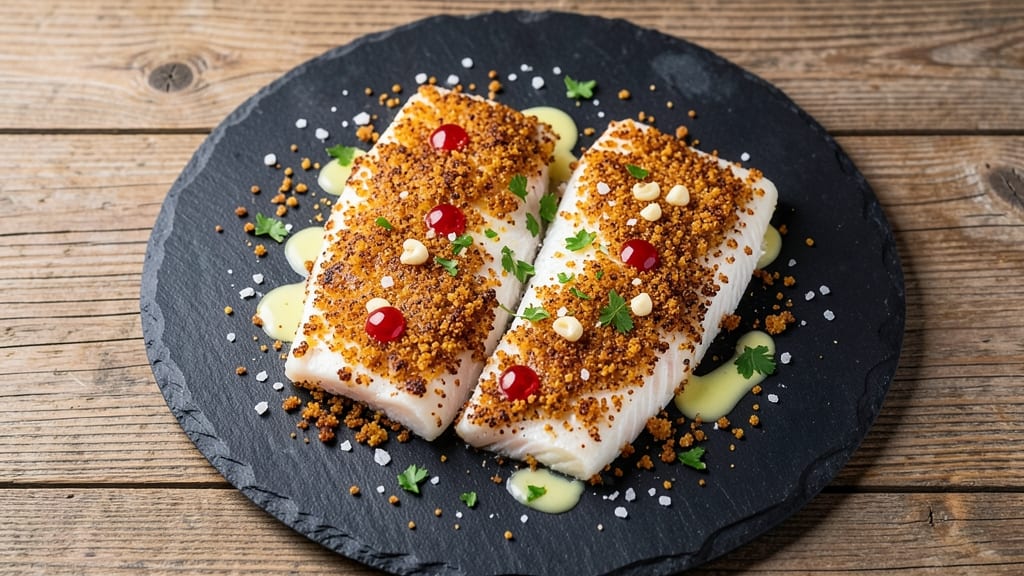
Baking fish with panko bread crumbs transforms a simple protein into a restaurant-quality dish with a crispy crust and moist center—the secret lies in proper preparation and timing. This method elevates basic fillets into something extraordinary, whether you're cooking for a weeknight dinner or a special occasion.
The key is using high-quality panko for maximum crunch while ensuring the fish stays tender inside.
Most home cooks struggle with two common mistakes: over-breading or under-baking. I’ve refined this recipe to eliminate both by using a light, even coating of panko mixed with herbs and a precise baking temperature of 375°F for 12–15 minutes.
The result is a golden, shatteringly crisp exterior that contrasts perfectly with flaky, juicy fish beneath.
What makes this recipe foolproof is the two-step breading process—first with flour, then with panko—which locks in moisture while creating that coveted crunch. A quick lemon butter finish adds brightness, balancing the richness of the crust.
The method works equally well with white fish like cod or haddock and firmer varieties like salmon.
Serve with steamed vegetables, a fresh salad, or roasted potatoes to complete the meal. The crispy crust stays intact for up to 10 minutes after baking, making it ideal for sharing. Let’s get started on creating your perfect baked fish dish.
Ingredients for baked fish with panko bread crumbs
High-quality panko, fresh herbs, and precise seasoning deliver that coveted crispy crust while keeping fish tender inside.
| Ingredient | Amount | Notes |
|---|---|---|
| White Fish Fillets 🐟 | 4 whole | Cod, haddock, or salmon preferred |
| Japanese Panko Breadcrumbs 🍞 | 1 cup | High-quality, lightly toasted |
| All-Purpose Flour 🌾 | ½ cup | For initial dredging |
| Unsalted Butter 🧈 | ½ cup | Melted for brushing |
| Fresh Lemon Juice 🍋 | ¼ cup | For brightness |
| Garlic Cloves 🧄 | 4 cloves | Minced for seasoning |
| Dried Parsley Flakes 🌿 | 1 tbsp | For added herbaceousness |
| Dried Dill 🌿 | 1 tsp | For subtle fish pairing |
| Diamond Crystal Kosher Salt 🧂 | 1 ½ tsp | For seasoning |
| Ground Black Pepper 🌶️ | ½ tsp | Freshly cracked |
| Extra-Virgin Olive Oil 🫒 | 1 tbsp | For greasing pan |
| Fresh Lemon Zest 🍋 | 1 tsp | For garnish |
The Japanese panko is non-negotiable for that signature shatteringly crisp crust—Kikkoman or Suzuki brands deliver the best texture. Look for panko labeled 'lightly toasted' to avoid overly dense crumbs. Fresh fish matters too; opt for sustainably sourced fillets from your seafood counter or trusted fishmonger. If using frozen fish, thaw it overnight in the refrigerator to maintain texture. The two-step breading process—flour first, then panko—prevents moisture loss while creating that coveted crunch. Preheat your oven to 375°F for optimal baking results.
No panko on hand? Crushed cornflakes or crushed potato chips create a similar crispy texture, though not as delicate. Substitute dried parsley with 1 tbsp dried mixed herbs if needed, but fresh is ideal. For a gluten-free option, use gluten-free panko or crushed gluten-free crackers. The lemon juice should be freshly squeezed—bottled juice lacks the brightness needed to balance the richness. If you prefer a milder flavor, reduce the garlic to 2 cloves or omit the dill entirely. Always season the fish before dredging to ensure even flavor distribution throughout the crust.
Store any leftover panko in an airtight container at room temperature for up to 1 month—it loses crispness over time. Fresh fish fillets should be consumed within 2 days if refrigerated properly. The baked fish maintains its crispy crust for about 10 minutes after baking, so serve immediately. For meal prep, bake an extra fillet and store it in the freezer for up to 2 months, reheating in a 350°F oven for 5-7 minutes to restore crispness. Garnish with fresh lemon zest just before serving to preserve its vibrant aroma.
Why You'll Love This Recipe
- Same recipe, different vibes: throw it together for a lazy Tuesday or dress it up with fresh herbs for guests. The panko soaks up flavors like a sponge, so it’s forgiving—even if you’re not a fish chef.
- One-Pan Magic: I swear by this—just toss the fillets on a sheet, dredge them in flour, then panko, and bake. No greasy frying, no messy pans, and honestly? The butter pools under the fish like a little golden reward.
- Crispy-Creamy Obsession: That panko crust shatters with every bite while the inside stays flaky and buttery. Add a squeeze of lemon, and it’s like a bright, tangy hug for your taste buds—simple, but ridiculously satisfying.
- Weeknight to Dinner Party: Same recipe, different vibes: throw it together for a lazy Tuesday or dress it up with fresh herbs for guests. The panko soaks up flavors like a sponge, so it’s forgiving—even if you’re not a fish chef.
Step-by-step instructions for baked fish with panko bread crumbs
Here's the method to achieve that perfect balance of crispy crust and tender interior every time.
Prepare the Fish and Seasoning Base
Preheat your oven to 425°F with a rack positioned in the middle position. Pat each of the 4 whole white fish fillets completely dry with paper towels—this step is non-negotiable for crispiness. The drier the surface, the better the panko will adhere and crisp.
In a small bowl, combine the 0.5 cup all-purpose flour, 1.5 tsp diamond crystal kosher salt, 0.5 tsp ground black pepper, 1 tbsp dried parsley flakes, and 1 tsp dried dill. Mix thoroughly to create an even seasoning blend. This dry rub will penetrate the fish slightly during the baking process, ensuring flavor in every bite.
While the oven preheats, mince the 4 cloves garlic cloves finely and set aside. You'll need this for the butter mixture later. The minced garlic will add aromatic depth that complements the crispy panko perfectly.
Create the Lemon Butter Mixture
In a separate bowl, melt the 0.5 cup unsalted butter in 10-second intervals in the microwave, stirring between each interval until completely liquid but not hot. Add the 0.25 cup fresh lemon juice and mix well. The acidity from the lemon juice will brighten the flavors and prevent the butter from overpowering the delicate fish.
Stir in the minced garlic and let the mixture sit for 5 minutes to allow the flavors to meld. This infusion creates a complex base that will enhance both the crust and the fish itself. The garlic should be fully incorporated without any visible clumps.
Transfer the lemon butter mixture to a small bowl and set aside. You'll use this both for brushing the fish before baking and for serving. The residual heat from the oven will help the butter melt into a glossy finish on the panko crust.
Assemble and Bake the Fish
Lightly grease a baking sheet with 1 tbsp extra-virgin olive oil to prevent sticking. Arrange the 4 whole white fish fillets in a single layer on the prepared baking sheet, leaving about 1 inch of space between each fillet for even air circulation.
Brush each fillet generously with the lemon butter mixture, coating all surfaces evenly. This creates a flavorful barrier that helps the panko adhere and adds moisture to prevent drying. Sprinkle the 1 cup japanese panko breadcrumbs evenly over each fillet, pressing down gently to ensure good contact with the fish. The panko should form an even layer without clumping.
Bake for 12-15 minutes until the edges are deep golden brown and the panko crust is crisp. The fish is done when it flakes easily with a fork and reaches an internal temperature of 145°F. Watch closely after 10 minutes—ovens vary, and you want that perfect crisp without burning the crust. If the top browns too quickly, tent loosely with foil for the final 2-3 minutes of baking.
Finish and Serve
Remove the fish from the oven and let it rest for 3-5 minutes before serving. This brief resting period allows the juices to redistribute, ensuring each bite remains moist. The contrast between the crispy panko crust and tender fish is what makes this dish exceptional.
Garnish each fillet with 1 tsp fresh lemon zest just before serving. The bright citrus notes cut through the richness of the butter and complement the savory panko. Serve immediately with lemon wedges on the side for additional brightness.
For best results, serve with a simple side salad or steamed vegetables to balance the richness. The crispy exterior should shatter slightly with each bite, revealing perfectly moist fish underneath—a testament to the balance achieved through proper technique.
Pro Tips For Making Baked Fish With Panko Bread Crumbs
- Pat the fish DRY: Wet skin = soggy crust. Grab paper towels and press firmly—don’t just wipe—until they’re bone-dry. I used to skip this, and my panko would clump like sad breadcrumbs instead of forming that crispy armor.
- Preheat pan, not oven: Heat your baking dish in the oven for 5 minutes first. Cold butter melts unevenly, and your fish will steam instead of sear. Trust me, that first golden crust happens faster when the pan’s already screaming hot.
- Mix panko with butter: Toss panko with melted butter before adding flour—this keeps the crumbs light and airy. Cold butter clumps, and you’ll end up with a dense, greasy mess. Use about 2 tablespoons per ½ cup panko, and don’t skimp.
- Bake uncovered, then cover: Let the fish bake uncovered for the first 8–10 minutes to get that perfect crust. Then tent with foil to finish cooking—this traps steam without steaming the crust. I learned this after my first batch came out mushy on top.
Troubleshooting perfect results
Panko Too Dense?
If your panko crust turns out dense instead of crispy, it’s likely from using stale or low-quality breadcrumbs. Always use Japanese panko like Kikkoman or Suzuki—these brands are specifically designed to stay light and airy.
For extra crispiness, toast your panko in a dry skillet over medium heat for 2-3 minutes before using it. This removes excess moisture that can make the crust soggy. 🌡️
Fish Too Dry?
Overcooking is the usual culprit here. Fish is done when it reaches 145°F internal temperature, but pull it out 1-2 minutes early—it continues cooking while resting. For extra moisture, brush the fish with lemon butter mixture after adding panko, then bake.
This creates a protective seal that locks in juices. If using thick fillets like salmon, reduce baking time by 1-2 minutes.
Crust Not Sticking?
A dry fish surface is the main reason panko won’t adhere. Pat fillets thoroughly dry with paper towels before dredging—even a slight dampness prevents proper adhesion. For extra grip, dip fish in cold water for 5 seconds before flour, then pat dry again.
This hydrates the surface just enough to help the flour stick. Press panko gently but firmly to ensure full contact with the fish.
Oven Too Hot?
If your crust burns before the fish is cooked through, your oven runs hotter than expected. Lower the temperature to 350°F and bake for 18-20 minutes, checking at 15 minutes. For even crispiness, place a baking sheet on the middle rack to reflect heat upward.
If your oven has hot spots, rotate the pan halfway through baking for uniform cooking. A thermometer probe in the thickest part of the fish ensures accuracy.
Fish Breaking Apart?
This usually happens with delicate fish like tilapia or sole. For fragile fillets, reduce baking time by 2 minutes and avoid pressing too hard on the panko. Instead of whole fillets, try fish steaks (cut from the thicker middle section) which hold their shape better.
If using frozen fish, thaw it overnight in the fridge—quick thawing in water can make fish mushy. Let it come to room temperature for 10 minutes before baking for even cooking.
Leftover Crust Soggy?
Reheating baked fish with panko is tricky because the crust loses crispness. For best results, reheat in a skillet over medium heat for 1-2 minutes per side until the crust crisps again. If using the oven, place fish on a baking sheet at 400°F for 3-4 minutes.
For extra crispiness, sprinkle fresh panko on top before reheating. Store leftovers in the fridge for up to 2 days or freeze for 1 month—thaw in the fridge overnight before reheating. 💡
Nutrition facts
Frequently asked questions
What's the secret to getting that perfect crispy crust?
Pat your fish fillets completely dry before dredging—this ensures the panko sticks properly. Use Japanese panko (like Kikkoman) and toast it lightly in a dry skillet for 2-3 minutes before coating. The key is baking at 425°F for 12-15 minutes with proper air circulation around the fillets.
Can I use this recipe with frozen fish?
Yes, but thaw it properly first. Place frozen fillets in the fridge overnight for even thawing—never use cold water as it makes fish mushy. Let them sit at room temperature for 10 minutes before baking. For best results, use fresh fish whenever possible.
What are good side dishes to pair with this baked fish?
Light, fresh sides work best to balance the richness. Try a simple lemon herb salad, steamed green beans with garlic, or roasted potatoes with rosemary. The bright acidity of lemon wedges on the side also enhances the panko crust.
How do I adjust this for thicker fish like salmon?
Reduce baking time by 1-2 minutes (salmon is done at 145°F internal temp) and avoid pressing too hard on the panko crust. For extra moisture, brush with lemon butter after adding panko. Thicker fillets benefit from a 5-minute rest before serving to prevent breaking.
What can I substitute if I don't have panko?
Use crushed cornflakes or crushed potato chips> (like potato chips) for a similar crispy texture. For a gluten-free option, try crushed gluten-free crackers or almond flour. Just remember these won't be as light as authentic panko.