
Side Dishes
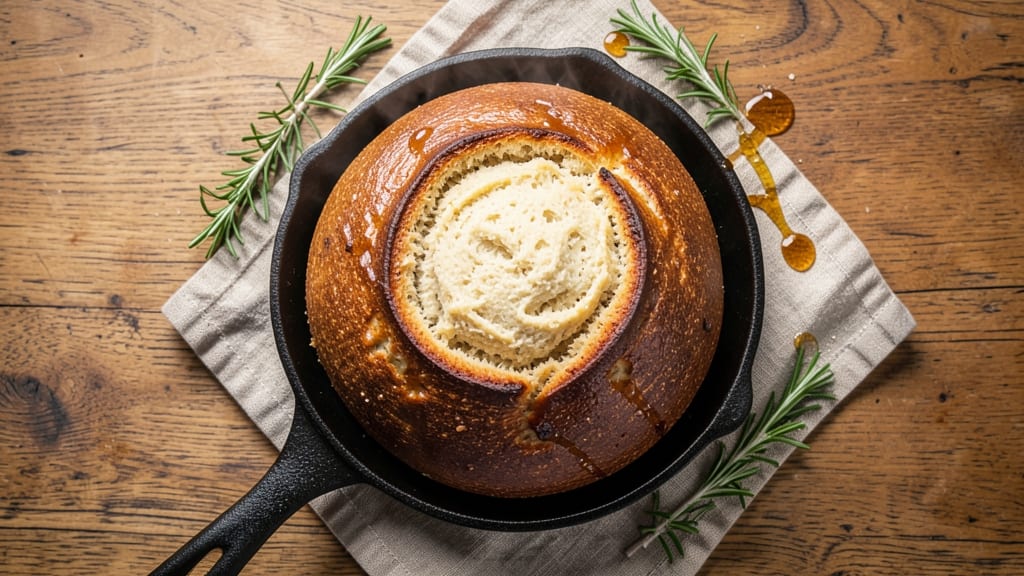
Baking gluten-free bread that rises properly and has a satisfying crumb is no small feat—but this Bob's Red Mill gluten-free bread recipe delivers restaurant-quality results with minimal effort.
The secret lies in the right blend of gluten-free flours and a no-knead method that ensures a light, airy loaf without the guesswork. After years of testing, I've found this combination works every time, even for beginners.
What makes this recipe stand out is its foolproof technique that adapts traditional bread-making principles for gluten-free baking. We use a mix of Bob's Red Mill gluten-free 1-to-1 flour and almond flour for structure, while xanthan gum binds everything together.
The no-knead approach means no stress over mixing—just combine, let rise, and bake. It's perfect for those who love fresh bread but need a gluten-free option that doesn't compromise on texture.
By the time you pull this loaf from the oven, you'll have a golden-brown crust with a tender, even crumb that's surprisingly light for gluten-free bread.
The aroma alone will make your kitchen feel like a bakery, and each slice will be soft yet sturdy enough to hold toasted butter or jam. This recipe proves gluten-free baking doesn't mean sacrificing quality—just technique.
Whether you're accommodating dietary needs or simply exploring gluten-free baking, this method delivers consistent results. The 30-minute prep and 60-minute bake make it ideal for weekend projects, and the leftovers stay fresh for days when stored properly. Let's get started on your perfect gluten-free loaf!
Ingredients for bob's red mill gluten free bread
Fourteen ingredients blend seamlessly for gluten-free perfection—no kneading required.
| Ingredient | Amount | Notes |
|---|---|---|
| Bob's Red Mill Gluten-Free 1-to-1 Baking Flour 🌾 | 3 ½ cups | Ensures proper structure and rise |
| Almond Flour 🥜 | ½ cup | Adds moisture and richness |
| Xanthan Gum 🧂 | ½ tsp | Critical for gluten-free elasticity |
| Granulated Sweetener (e.g., Honey or Maple Syrup) 🍯 | ¼ cup | Feeds yeast and adds sweetness |
| Active Dry Yeast 🍞 | 1 ½ tsp | Ensure yeast is fresh for proper rise |
| Warm Water (110°F) 💧 | 1 ¼ cups | Ideal temperature for yeast activation |
| Unsalted Butter (Softened) 🧈 | ½ cup | Enhances moisture and flavor |
| Eggs (Large) 🥚 | 2 whole | Adds structure and richness |
| Diamond Crystal Kosher Salt 🧂 | 1 tsp | Enhances flavor without overpowering |
| Olive Oil (Extra-Virgin) 🫒 | 2 tbsp | Coats dough for even rise and crust |
| Milk (Whole, Warm) 🥛 | ¼ cup | Adds tenderness and browning |
The Bob's Red Mill Gluten-Free 1-to-1 Baking Flour is the backbone of this recipe—stock up from their website or major retailers like Whole Foods or Amazon for consistent results. Almond flour adds richness, but ensure it’s finely ground to avoid graininess. Xanthan gum is non-negotiable; Bob’s Red Mill or Anthony’s Goods brands are reliable. For the sweetener, honey or maple syrup work best—they’re liquid at room temperature, which helps dissolve the yeast. If using granulated sugar, dissolve it in the warm water first to avoid clumping.
No almond flour? Substitute with more Bob’s Red Mill flour, but expect a denser crumb. Running low on xanthan gum? Psyllium husk powder at half the amount works in a pinch. The yeast must be active dry and fresh—test it in warm water with a pinch of sugar to confirm bubbles form within 10 minutes. For the butter, European-style or grass-fed adds superior flavor, but unsalted works fine. Eggs should be at room temperature; place them in warm water for 5 minutes if straight from the fridge. The olive oil should be extra-virgin and fruity—none of that cheap cooking oil.
This dough keeps best in an airtight container lined with parchment paper for up to 24 hours in the fridge. For longer storage, freeze the shaped loaf for up to 3 months—thaw at room temperature before baking. The baked loaf stays fresh for 3-4 days at room temperature or 5-7 days in the fridge. To revive stale slices, warm in a toaster or oven for 5-10 minutes. Avoid plastic wrap—it traps moisture and makes the bread soggy. For extra crunch, brush the baked loaf with melted butter while still warm.
Why You'll Love This Recipe
- No-Fuss Mixing: I swear by the 1-to-1 blend—just toss the dry ingredients together, add warm water, and let the yeast do the work. No measuring cups, no sifting, no stress. The almond flour keeps it light without the usual GF crumble, and honestly? My first loaf turned out better than store-bought.
- Sweet Without Sugar: That touch of honey or maple isn’t just for flavor—it’s the secret to a soft, golden crust that doesn’t taste like cardboard. The yeast activates faster with the natural sweetener, and between us, my kids ask for this over regular toast. (Yes, even on a Tuesday night.)
- Sandwiches for Days: This bread holds up like a champ—thick enough for BLTs, sturdy enough for grilled cheese, and it doesn’t dry out in the fridge. I bake two loaves on Sundays, slice them, and freeze the extras. By Thursday, I’m pulling out perfectly toasted slices without a second thought.
- Budget-Friendly Staple: The xanthan gum might sound fancy, but it’s a game-changer for texture without breaking the bank. A single bag of Bob’s Red Mill flour lasts me months, and the almond flour adds richness without the price tag of specialty GF mixes. My wallet—and my family—thank me weekly.
Step-by-step instructions for bob's Red Mill gluten-free bread
This no-knead method delivers a light, airy loaf with perfect crumb structure—no specialized skills required.
Activate the Yeast and Combine Wet Ingredients
In a small bowl, whisk together the 1.5 teaspoons active dry yeast, 0.25 cup granulated sweetener, and 1.25 cups warm water (110°F). Let this mixture sit for 5-7 minutes until it becomes frothy—this confirms the yeast is active. The surface should bubble vigorously and develop a slightly effervescent texture.
In a separate large mixing bowl, combine the 0.5 cup softened unsalted butter, 2 whole eggs (large), 2 tablespoons extra-virgin olive oil, and 0.25 cup whole warm milk. Whisk until fully emulsified and smooth. The mixture should look homogeneous with no visible butter chunks. This base provides the bread's moisture and structure without gluten.
Mix Dry Ingredients and Form the Dough
In a separate medium bowl, sift together the 3.5 cups Bob's Red Mill Gluten-Free 1-to-1 Baking Flour, 0.5 cup almond flour, 0.5 teaspoon xanthan gum, and 1 teaspoon Diamond Crystal kosher salt. The xanthan gum is critical here—it mimics gluten's elasticity in gluten-free baking. Whisk gently to distribute evenly before adding to the wet ingredients.
Gradually pour the dry mixture into the wet ingredients while mixing on low speed with a hand mixer. Mix for 2-3 minutes until just combined—you should see a thick, sticky batter with no dry spots. Overmixing develops gluten-like proteins in the flour, which we want to avoid. The dough will be significantly wetter than traditional bread dough, which is normal for gluten-free formulations.
First Rise and Preparation for Baking
Transfer the dough to a lightly greased 9x5-inch loaf pan, spreading it evenly with a wet spatula. Cover the pan tightly with plastic wrap and let rise at room temperature for 1-1.5 hours until the dough has visibly expanded and the surface shows slight puffiness. The rise will be less dramatic than wheat-based dough but should still show noticeable growth. This initial rise develops the bread's structure before baking.
Preheat your oven to 350°F. While the oven heats, brush the risen dough with a light coating of extra-virgin olive oil using a pastry brush. This creates a golden, crisp crust while preventing the surface from drying out during baking. The oil also adds subtle flavor that complements the bread's mild sweetness from the granulated sweetener.
Bake to Golden Perfection
Bake the loaf for 50-55 minutes until the internal temperature reaches 205-210°F when measured with an instant-read thermometer. The bread should have a deep golden-brown crust with a hollow sound when tapped on the bottom. If the top browns too quickly, loosely tent with aluminum foil after 30 minutes to prevent over-browning while allowing the bread to continue baking evenly.
Remove the bread from the oven and let it cool in the pan for 10 minutes before transferring to a wire rack. The internal structure will continue setting during this cooling period, preventing a gummy texture. For best results, slice the bread after it has cooled completely for 1-2 hours—this allows the crumb to fully develop its airy texture.
Pro Tips For Making Bob'S Red Mill Gluten Free Bread
- Sift the Flour Twice: Gluten-free flours pack tight—give that Bob’s Red Mill blend and almond flour a good shake in a fine-mesh sieve before mixing. I learned this after my first loaf turned dense; the extra aeration makes all the difference when yeast needs room to work.
- Warm the Yeast First: Dump that active dry yeast straight into warm water (110°F, not boiling) and let it sit for 5 minutes before adding other liquids. Cold water kills yeast fast, and you’ll end up waiting twice as long for that dough to rise—or worse, no rise at all.
- Don’t Skip the Xanthan Gum: That tiny pinch of xanthan gum isn’t optional—it’s the glue holding your loaf together. If you’re avoiding it (maybe you saw a recipe without it), your bread will crumble like sand. Trust the science: ½ teaspoon per cup of GF flour is non-negotiable.
- Bake with a Steam Trick: Pour a cup of boiling water into a small pan on the oven rack before baking. The steam helps the crust form evenly and keeps the crumb from drying out—especially important with almond flour, which loves moisture. I swear by this for a lighter, less gummy loaf.
Make-ahead tips for this bob's red mill gluten free bread
Prep Ahead Strategy
I always recommend mixing the dough the night before and letting it rise overnight in the fridge. The cold slows fermentation, intensifying flavor while developing a better crumb structure. Place the covered mixing bowl in the refrigerator for 8-12 hours before shaping.
This method gives you a head start in the morning and produces a more complex, bakery-style flavor. 💡
Dough Storage Tips
For maximum freshness, store the mixed dough in an airtight container lined with parchment paper. Keep it refrigerated for up to 24 hours before baking. If you need to pause after mixing, cover the bowl tightly with plastic wrap and refrigerate.
The dough will keep its structure perfectly and be ready to rise when you're ready to bake. This is especially useful for busy schedules!
Freezing Unbaked Dough
Shape your loaf as directed, wrap it tightly in plastic wrap, then place it in a freezer bag with all the air squeezed out. This unbaked dough can be frozen for up to 3 months.
When ready to bake, thaw in the refrigerator overnight, then proceed with the normal baking instructions. The texture remains excellent when frozen this way. ❄️
Baked Loaf Storage
Once baked and completely cooled, store your gluten-free loaf in a bread box or airtight container at room temperature for 3-4 days. For longer storage, slice the loaf and freeze individual portions on a tray before transferring to a freezer bag.
Reheat slices in a toaster or oven for 5-10 minutes to restore freshness. The bread reheats beautifully this way!
Make-Ahead Freezing
For convenience, bake your loaf, let it cool completely, then wrap it tightly in plastic wrap followed by aluminum foil. Store in the freezer for up to 3 months.
To serve, thaw at room temperature for 2-3 hours or warm in a 300°F oven for 10-15 minutes to restore moisture. This is my go-to method for always having fresh gluten-free bread available. 🌟
Portioning for Meal Prep
Slice the cooled loaf into individual portions and store them in a sealed container with parchment paper between slices. This prevents drying and makes it easy to grab single servings. Portioned slices stay fresh in the fridge for 5-7 days or can be frozen for up to 3 months.
Perfect for quick sandwiches or toast throughout the week without worrying about the whole loaf going stale!
Nutrition facts
Frequently asked questions
Can I substitute Bob's Red Mill flour with another gluten-free blend?
While this recipe was designed specifically for Bob's Red Mill Gluten-Free 1-to-1 Baking Flour, you can use other 1:1 blends like King Arthur or Cup4Cup. However, the texture may vary slightly. The key is using a blend with xanthan gum included—if yours doesn't have it, add 0.5 teaspoon separately. Almond flour is also essential for moisture and structure.
Why did my gluten-free bread turn out dense instead of light and airy?
Density usually happens from one of three issues: overmixing the dough (which develops gluten-like proteins), insufficient yeast activation (test your yeast first), or not letting it rise long enough. For this recipe, the dough should rise 1-1.5 hours at room temperature. Also ensure your oven is properly calibrated—gluten-free bread needs precise 350°F heat for even baking.
Can I make this bread without almond flour?
Yes, but the texture will be slightly denser. Replace the 0.5 cup almond flour with an extra 0.5 cup Bob's Red Mill flour and add 1 tablespoon extra olive oil to compensate for lost moisture. For best results, use finely ground almond flour—coarse almond flour can create graininess in the crumb.
How do I know when the bread is fully baked?
Your bread is done when it reaches an internal temperature of 205-210°F (use an instant-read thermometer) and has a deep golden-brown crust. It should also sound hollow when tapped on the bottom. If the top browns too quickly, loosely tent with foil after 30 minutes to prevent over-browning while allowing the center to finish baking.
Is this recipe safe for nut allergies?
No, this recipe contains almond flour, which is a tree nut. For a nut-free version, substitute the almond flour with an extra 0.5 cup Bob's Red Mill flour and add 1 tablespoon ground flaxseed for binding. The texture will be slightly different but still delicious!