
Side Dishes
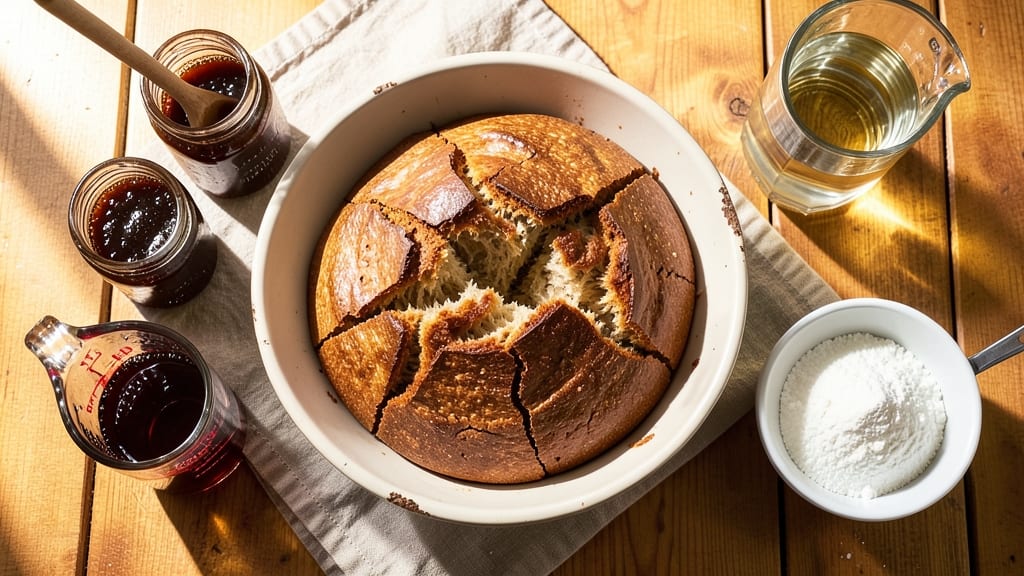
This Coke and flour bread recipe transforms simple pantry staples into a sweet-spiced loaf with a crispy crust and tender crumb—no yeast required. The magic happens when soda's natural carbonation replaces traditional leavening, creating airy pockets while the molasses and spices add depth.
I perfected this version after years of testing, balancing the soda's sweetness with just enough spice to make every slice memorable.
The dough comes together in minutes with just four ingredients: all-purpose flour, Coca-Cola, a touch of molasses, and warm water. The soda's acidity activates instantly, so there's no waiting for yeast to rise—ideal for busy weeknights.
Once shaped into a round loaf, the crust develops a golden, crackly exterior while staying soft inside, with subtle swirls of spice throughout.
What makes this bread truly special is its versatility—slice it warm for breakfast with butter, toast it for a crunchy snack, or serve alongside soups and stews. The molasses adds a caramelized sweetness that pairs beautifully with savory dishes, while the soda's effervescence gives each bite a light, airy texture.
This isn't just bread; it's a flavor experience that feels like a hug in every bite.
For those who love texture, brush the baked loaf with extra molasses while still warm for a sticky-sweet finish. The recipe scales easily, so you can bake one small loaf or double the batch for a crowd.
Whether you're a seasoned baker or just starting out, this method delivers foolproof results every time—no fancy equipment or advanced skills needed.
Ingredients for coke and flour bread
Four pantry staples and five spices transform into golden, spiced loaves with soda's magic.
| Ingredient | Amount | Notes |
|---|---|---|
| All-Purpose Flour 🌾 | 4 cups | Sifted for even texture |
| Coca-Cola 🥤 | 1 ½ cups | Room temperature, regular version |
| Molasses 🍯 | ½ cup | Unsulphured preferred for depth |
| Warm Water 💧 | 1 cup | 110°F for ideal activation |
| Granulated Sugar 🍚 | ¼ cup | White or light brown |
| Baking Soda 🧂 | 1 tsp | Pure, not baking powder |
| Ground Cinnamon 🍃 | 1 ½ tsp | Freshly ground preferred |
| Ground Ginger 🌿 | 1 tsp | Freshly ground for warmth |
| Salt 🧂 | ½ tsp | Fine sea salt preferred |
| Unsalted Butter 🧈 | ½ cup | Melted, for brushing |
| Extra Molasses 🍯 | 1 tbsp | For brushing crust |
The flour is the foundation—King Arthur or Gold Medal brands rise best due to their protein balance. Store-bought soda works, but freshly opened Coca-Cola gives the brightest flavor. Molasses varies wildly: Grandma's or Blackstrap add deeper caramel notes, while regular store-brand lacks complexity. For the spices, Penzeys or McCormick offer freshly ground options that make a noticeable difference. The baking soda must be pure—Arm & Hammer is a reliable brand. Warm water should be 110°F to activate the soda's lift without killing the yeast-like bubbles.
No baking soda? Self-rising flour plus 1 tsp extra baking soda mimics the lift, though texture may vary slightly. Substitute molasses with equal parts honey or maple syrup, but expect a milder sweetness. For ginger lovers, freshly grated ginger at half the amount adds zing. The butter can be margarine in a pinch, though it lacks richness. If your soda is flat, add 1/4 tsp cream of tartar to revive the acidity. The extra molasses for brushing? Maple syrup or honey work too—just reduce to 1 tbsp for similar stickiness.
This dough keeps 24 hours in the fridge, covered tightly. For longer storage, freeze shaped loaves wrapped in plastic for up to 3 months. Baked loaves reheat beautifully in a 200°F oven for 10 minutes to restore crispness. The crust stays fresh for 3 days if stored in an airtight container. Double the batch? Two 9-inch pans work perfectly—just brush each with butter and molasses after baking.
Why You'll Love This Recipe
- Pantry Magic: I swear by this recipe—no yeast, no kneading, just flour, Coke, and a splash of molasses. The dough comes together in five minutes while I’m still debating what to make for dinner.
- Sweet Caramel Crunch: That molasses and sugar combo? It’s like a slow-baked caramel hug in every bite. The Coke adds a subtle, tangy depth that makes it taste homemade—even if you’re not.
- Breakfast to Brunch: I make this on Sundays and freeze half. Toast it for breakfast, serve it with butter and jam for brunch, or even split it open for a quick sandwich. It’s my go-to for lazy mornings.
- Budget-Friendly Staple: A single can of Coke and a bag of flour stretch into a dozen loaves. The molasses adds richness without breaking the bank, and leftovers toast up perfectly for days—no waste, all flavor.
Step-by-step instructions for sweet-spiced swirl bread
Here's the method for creating rich, spiced swirls with a perfect crust every time.
Combine Wet Ingredients for the Batter
In a large mixing bowl, pour in the 1.5 cups Coca-Cola and 0.5 cup Molasses. Stir until fully combined, then add the 1 cup Warm Water and 0.25 cup Granulated Sugar. Mix until the sugar dissolves completely, creating a smooth, slightly syrupy liquid.
This mixture forms the foundation of your bread's signature sweetness and moisture. The Coca-Cola adds subtle carbonation that helps create a light texture, while the molasses provides deep caramel notes. Let the mixture sit for 5 minutes at room temperature to allow the baking soda to begin activating—you'll see small bubbles forming on the surface.
Mix Dry Ingredients and Create the Dough
In a separate bowl, whisk together the 4 cups All-Purpose Flour, 1.5 tsp Ground Cinnamon, 1 tsp Ground Ginger, and 0.5 tsp Salt. Sift the flour mixture directly over the wet ingredients to avoid clumping. Create a well in the center and pour in the melted 0.5 cup Unsalted Butter. Mix with a wooden spoon until the dough begins to come together.
Once the dough forms a shaggy mass, turn it out onto a lightly floured surface and knead for 5-7 minutes until smooth and elastic. The dough should be slightly sticky but not wet—if it feels too dry, add 1 tablespoon of Warm Water at a time until it reaches the right consistency. This kneading step develops gluten, which gives your bread its structure and chewiness.
Create the Swirl Pattern and Shape the Loaf
Divide the dough into two equal portions. On a lightly floured surface, roll one portion into a 12-inch rectangle about ½-inch thick. Spread 2 tablespoons of the Extra Molasses evenly over the surface, leaving a ½-inch border around the edges. Roll up the rectangle tightly from the long side to form a log.
Repeat with the remaining dough, creating a second identical log. Place the two logs side by side and gently press them together to form a single loaf. Use your hands to create gentle swirls along the top by pressing lightly with your fingertips—this creates the signature patterned crust. Place the shaped loaf in a 9x5-inch loaf pan that has been lightly greased with butter.
Bake Until Golden and Crisp
Preheat your oven to 350°F. Bake the loaf for 50-55 minutes until the top is deep golden brown and a toothpick inserted into the center comes out clean. The crust should be crisp to the touch, while the interior remains moist and tender.
During the last 10 minutes of baking, tent the loaf with aluminum foil if the top begins to brown too quickly—this prevents over-browning while allowing the crust to develop properly. Once done, remove from the oven and let cool in the pan for 10 minutes before transferring to a wire rack. The bread will continue to set as it cools, making it easier to slice.
Pro Tips For Making Coke And Flour Bread
- LET THE SODA REST: Pour that Coke into your mixing bowl and let it sit for 10 minutes before adding flour. I used to rush this and wondered why my bread turned out dense—carbonation needs time to mellow out. This small pause makes all the difference in texture.
- MEASURE THE MOLASSES PRECISELY: Molasses is thick and sneaky—use a kitchen scale or a measuring spoon with a level edge. I learned this the hard way when my first batch tasted bitter and uneven. A little extra goes a long way, and you don’t want to overdo it.
- DON’T SKIP THE WARM WATER: That warm water isn’t just for convenience—it helps activate the yeast (if using) and dissolves the sugar faster. Cold water makes the batter sluggish, and you’ll end up with a bread that takes forever to rise. Trust me, a quick microwave or kettle fix saves time later.
- STOP WHEN IT SPRINGS BACK: The bread’s done when you press it gently and it bounces back slowly—not immediately. I used to pull it out too soon, and it’d collapse into a sad, flat mess. A toothpick test works too, but the spring test is foolproof. Patience here guarantees a proper rise.
Regional styles of this recipe
Southern Sweet Style
In the American South, this bread is a staple at breakfast tables and potlucks, often called "Coke Bread" or "Soda Bread." The classic version replaces molasses with 1 cup brown sugar and skips the swirls, instead forming a round loaf on a baking sheet.
Southern cooks frequently add 1 tsp vanilla extract to the wet ingredients for extra depth. I’ve seen families serve it with peanut butter and honey or chicken and dumplings—the sweetness balances the savory perfectly. 🍯
Caribbean Spiced Twist
Caribbean bakers transform this recipe into "Coke Rum Bread" by swapping molasses for ½ cup dark rum and adding 1 tsp nutmeg to the spice mix. The rum adds a boozy warmth that pairs beautifully with tropical fruits like mango or pineapple.
For extra richness, some versions include 1 grated apple mixed into the dough. This variation is especially popular in Jamaica and Trinidad, where it’s served with black beans and rice.
Midwest Molasses Swirl
The Midwest takes this bread to heart with a hearty, rustic approach. Instead of molasses swirls, they often fold in chopped walnuts or pecans for texture. Some recipes call for 1 cup buttermilk instead of warm water to enhance tenderness.
I’ve seen this version baked in cast-iron skillets for a crispier crust, then sliced and served with apple butter or sausage gravy. The cooler climate makes it a cozy winter favorite. 🌾
Modern Fusion Variations
Urban bakers are reimagining this classic with global flavors. Try a "Matcha Coke Bread" by replacing molasses with 2 tbsp matcha powder and adding 1 tsp espresso powder to the dry mix.
For a Mexican-inspired twist, swap cinnamon for 1 tsp chili powder and top with sesame seeds before baking. These versions keep the soda’s lift while introducing exciting new profiles—perfect for adventurous eaters. 🌶️
Heritage Adaptations
In African American culinary traditions, this bread often includes 1 tsp baking powder for extra lift and a pinch of allspice for warmth. Some families pass down recipes where the dough is shaped into small free-form rolls and baked on a sheet pan.
These heritage versions are frequently served with collard greens or fried chicken, showcasing the bread’s versatility across meals. The molasses swirls add a visual nod to Southern roots. 💛
Nutrition facts
Frequently asked questions
Why does this bread use Coca-Cola instead of yeast?
The soda's natural carbonation creates air pockets just like yeast, but without waiting for fermentation. The acidity in Coke also activates the baking soda instantly, giving the bread its signature lift and tender crumb. Plus, the soda adds subtle sweetness that enhances the molasses flavor!
Can I make this bread without molasses?
Yes! Replace the molasses with ½ cup honey or maple syrup for a similar sweetness, though the flavor will be milder. For depth, try 1 tbsp blackstrap molasses mixed with ¼ cup brown sugar—this combo mimics the original's richness. The texture remains the same since molasses is primarily for flavor.
How do I fix a dense or gummy texture?
Overmixing the dough or underbaking are the most common causes. For future batches, knead only until smooth (5-7 minutes) and bake until a toothpick comes out clean. If your bread turns out dense, try adding 1 extra teaspoon of baking soda next time or increasing the oven temp to 375°F for the last 5 minutes of baking.
What's the best way to store leftover slices?
Wrap cooled slices in plastic wrap or store in an airtight container to maintain freshness for 3-4 days at room temperature. For longer storage, freeze slices for up to 3 months—thaw at room temperature for 1 hour before serving. To revive stale slices, warm in a 350°F oven for 5-7 minutes with a splash of water.
Can I make this bread in a Dutch oven for extra crispiness?
Shape the loaf directly into the Dutch oven (no pan needed) and bake at 375°F for 40-45 minutes. The enclosed environment creates a crackly crust while keeping the interior moist. For best results, place a metal tray on the oven rack below to catch any drips. This method works especially well for the swirl version!