
Side Dishes
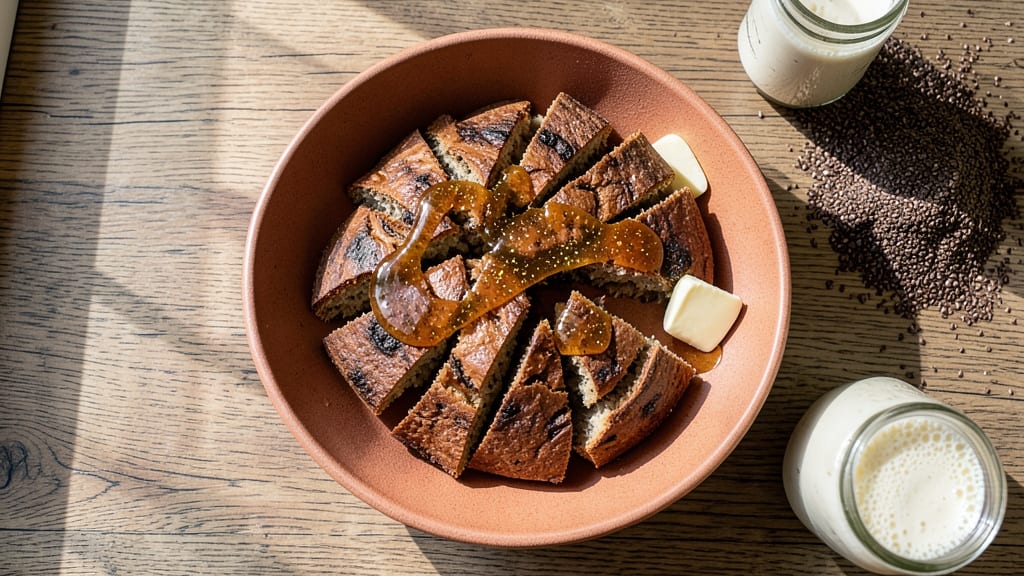
This Finland bread recipe captures the heart of Finnish baking with its signature sourdough-infused crust and earthy rye flavor that defines ruisleipä—the staple bread of Finland.
The slow fermentation develops deep, tangy notes while creating a dense yet satisfying crumb, perfect for soaking up soups or pairing with smoked fish. My version balances tradition with modern techniques, ensuring a crust that crackles with crispness while the interior remains tender and slightly chewy.
The foundation of this bread lies in its rye-wheat blend, which gives it that distinctive rustic character while keeping it approachable for home bakers. Unlike many sourdoughs, this recipe uses a short fermentation (24 hours) to achieve optimal flavor without requiring advanced skills.
The dough’s natural acidity from the starter enhances the rye’s nutty depth, while a touch of honey in the dough adds subtle sweetness that balances the earthiness.
What sets this bread apart is its two-stage baking process, where the loaf develops a dark, blistered crust from steam and dry heat. The aroma alone—warm, slightly smoky, and deeply comforting—will transform your kitchen into a Finnish kauppala (market hall).
Each slice reveals a dense crumb with pockets of air, ideal for sandwiches or served alongside traditional dishes like kalakukko (fish pie) or karjalanpiirakka (Karelian pasties).
For those craving variety, this base dough can be adapted into sweet pulla by adding cardamom and raisins, or transformed into a lighter rye bread by reducing the rye flour. The key to success lies in patience—letting the dough rest and the oven work its magic.
Once you taste this bread fresh from the oven, you’ll understand why it’s a cornerstone of Finnish cuisine.
Ingredients for finland bread
Fourteen essentials for Finland's iconic sourdough-infused rye bread—where rustic tradition meets modern technique.
| Ingredient | Amount | Notes |
|---|---|---|
| Active Sourdough Starter 🍞 | ½ cup | Unfed, 100% hydration, bubbly |
| Rye Flour 🌾 | 2 cups | Dark rye, freshly milled preferred |
| All-Purpose Flour 🌾 | 2 cups | White bread flour for structure |
| Honey 🍯 | ¼ cup | Wildflower or clover preferred |
| Unsalted Butter 🧈 | ½ cup | Cold, cubed, room temp |
| Water 💧 | 1 ½ cups | Lukewarm, filtered preferred |
| Diamond Crystal Kosher Salt 🧂 | 1 ½ tsp | Fine grain, not iodized |
| Instant Yeast 🍞 | ¼ tsp | For backup fermentation |
| Cornmeal 🌽 | ¼ cup | For dusting baking sheet |
| Ice Water 💧 | ¼ cup | For shaping dough |
| Wooden Spoon 🪑 | 1 whole | For mixing, not metal |
| Dutch Oven 🍳 | 1 whole | For steam baking |
| Baking Parchment 📄 | 1 sheet | For lining Dutch oven |
The rye flour is non-negotiable here—King Arthur Dark Rye or Bob's Red Mill are my go-tos, but any dark rye will work. Look for a deep mahogany color and a nutty aroma at the store. The sourdough starter needs to be active and bubbly—if it's sluggish, feed it 12 hours before mixing. For the honey, local wildflower adds subtle floral notes that complement the rye's earthiness. I always grab my butter from Whole Foods or Trader Joe's—the higher fat content (82%) makes all the difference in that tender crumb. The Dutch oven is crucial for that signature crust—Le Creuset or Lodge are the gold standards, but any heavy pot with a lid works.
No active starter? Add 0.25 tsp instant yeast to the water and let it proof for 5 minutes before mixing. Running short on rye flour? Substitute half with whole wheat flour, but expect a denser loaf. The butter can be swapped for vegetable shortening if you're avoiding dairy, though the flavor won't be as rich. For a lighter loaf, reduce rye flour to 1.5 cups and add 0.5 cup more all-purpose. The honey is optional but recommended—it balances the rye's earthiness and adds subtle sweetness. If you're making this in a hot climate, chill the dough for 2 hours before shaping to prevent overproofing.
This dough is a patience test—let it rest overnight for optimal flavor development. Store the starter in a glass jar with a loose lid in the fridge between uses. The shaped loaf keeps 3 days wrapped in a clean kitchen towel at room temperature, or 1 week in the fridge. For longer storage, slice and freeze—toast directly from frozen for best results. The crust gets crunchier over time, so if it's too soft when fresh, reheat at 300°F for 10 minutes to restore crispness.
Why You'll Love This Recipe
- No-Knead Magic: I swear by this—just mix, rest, and bake. The sourdough starter does all the heavy lifting, so even if I’m exhausted, the dough comes together in minutes. No standing at the counter, no overworked arms.
- Honeyed Rye Richness: That combo of rye flour and honey? It’s like a warm hug in bread form. The deep, caramelized notes from the honey cut through the earthiness of the rye, and the butter makes every bite buttery without being heavy.
- Weeknight Workhorse: Between us, this is my go-to for breakfast, lunch, or even a fancy dinner side. Toast it for open-faced sandwiches, slice it for charcuterie, or serve it with soup—it’s that reliable. Honestly, I’ve fed a houseful with one loaf.
- Budget-Friendly Staple: Rye flour and sourdough starter stretch my grocery budget, and a single batch lasts me days. Freeze half for later, and you’ve got fresh bread anytime without extra cost. Plus, butter and honey are pantry basics I already own.
Step-by-step instructions for Finland bread recipe
Here's how to craft this rustic sourdough-infused loaf with a crisp crust and tender crumb.
Mix the Sourdough Starter and Wet Ingredients
In a large mixing bowl, combine the 0.5 cup active sourdough starter with the 0.25 cup honey and 1.5 cups lukewarm water. Stir gently with the wooden spoon until the honey fully dissolves and the mixture becomes smooth. The starter should be fully incorporated without any visible streaks.
Next, add the 0.5 cup cold, cubed unsalted butter to the mixture. Use the wooden spoon to work the butter into the wet ingredients until it melts completely and emulsifies with the rest. The mixture should become slightly thickened and glossy in appearance, indicating proper emulsification. This step creates the foundation for the bread's rich, moist crumb structure.
Incorporate Dry Ingredients and Develop the Dough
In a separate bowl, whisk together the 2 cups rye flour, 2 cups all-purpose flour, 1.5 teaspoons diamond crystal kosher salt, and 0.25 teaspoon instant yeast. This dry blend should be smooth and evenly distributed without any flour clumps remaining.
Gradually add the dry ingredients to the wet mixture, stirring with the wooden spoon until a shaggy dough forms. The dough will initially be sticky, but continue mixing until it begins to come together. Once combined, turn the dough out onto a lightly floured surface and knead gently for 5-7 minutes by hand, just until the dough becomes smooth and elastic. This kneading step develops the gluten structure necessary for the bread's oven spring and texture.
Bulk Ferment and Prepare for Shaping
Shape the dough into a loose round and place it back in the mixing bowl. Cover the bowl with a clean kitchen towel and let it rest at room temperature for 1 hour. This initial bulk fermentation allows the dough to relax and develop flavor.
After the 1-hour rest, check the dough's readiness by performing a simple test: gently press your finger into the dough. If it springs back slowly (indicating proper fermentation), it's ready for shaping. If it springs back quickly, allow it to ferment for another 15-20 minutes. This step ensures the dough has developed enough structure for proper shaping and baking.
Shape and Cold Proof the Dough
Turn the dough onto a lightly floured surface and shape it into a round loaf, about 8 inches in diameter. Fold the edges toward the center to create a tight, smooth surface. Place the shaped dough seam-side up in the prepared Dutch oven lined with baking parchment.
Cover the Dutch oven with a damp kitchen towel and refrigerate for 12-16 hours. This cold proofing step allows the dough to ferment slowly, developing complex flavors and improving the bread's texture. The cold environment also helps create a crisp crust during baking. The dough should nearly double in size during this time, with visible bubbles forming on the surface.
Bake with Steam for Maximum Crust Development
Preheat the Dutch oven with the dough inside in a cold oven at 375°F for 30 minutes. This gradual preheating helps create steam during baking, which is essential for developing the bread's signature crisp crust. After the initial preheating, increase the oven temperature to 425°F and bake for an additional 35-40 minutes.
The bread is done when it reaches an internal temperature of 205°F and has developed a deep golden-brown crust with visible cracks. The bread should sound hollow when tapped on the bottom. Remove the bread from the Dutch oven and let it cool on a wire rack for at least 1 hour before slicing. This resting period allows the bread to set properly and prevents a gummy crumb.
Pro Tips For Making Finland Bread
- Hydrate the Rye First: Mix your rye flour with warm water (or even cold) at least 30 minutes before mixing—it’s gummy, but trust me. I used to skip this and ended up with dense, chewy bread that tasted more like glue than Finnish rye. The extra soak softens the tough rye proteins and lets the sourdough do its magic.
- Butter at Room Temp: Take that unsalted butter out of the fridge two hours before mixing—yes, even if you’re in a hurry. Cold butter creates pockets in the dough that won’t soften properly, and your bread will turn out greasy instead of tender. I learned this after making a batch that tasted like it was still in the freezer.
- Skip the Over-Kneading: This isn’t sourdough baguette dough—it’s rye-heavy and sticky. Once you’ve mixed in the starter, honey, and flours, stop when the dough just barely holds together. Overworking it develops gluten you don’t need, and the bread turns out dense. My first few attempts were brick-like until I accepted the mess.
- Steam the First 20 Minutes: Line your Dutch oven with parchment, add a metal tray with boiling water, then bake. The steam keeps the crust from darkening too fast and ensures the crumb stays open and airy. I used to bake it dry and got a sad, flat loaf—now it rises like a proper Finnish pulla, with that signature crackly top.
Regional styles of this finland bread
Classic Ruisleipä
This traditional Finnish rye bread, or ruisleipä, is the heart of Finnish baking culture. Made with a high percentage of rye flour (often up to 80% in authentic versions), it has a dense, hearty texture that pairs perfectly with smoked salmon or lentil soups.
The key to authentic flavor lies in using dark rye flour like King Arthur Dark Rye and fermenting the dough for at least 12 hours—traditionally, Finnish bakers would let it ferment overnight in a cool cellar. 🌾
Sweet Cardamom Pulla
For a sweeter twist, transform this dough into pulla, Finland’s beloved cardamom bread. Add 1 tablespoon ground cardamom and ½ cup raisins to the dough, then shape into small rounds. Bake at 375°F for 20-25 minutes until golden.
This version is a staple at Finnish coffee breaks, often served with cloudberry jam or a cup of glögi (mulled wine). The cardamom’s floral notes balance the rye’s earthiness beautifully. 🍯
Lapland Rye with Cloudberries
In Finland’s northern regions, rye bread often incorporates cloudberries or lingonberries for a tart, jammy sweetness. After shaping the dough, press ½ cup finely chopped dried cloudberries into the top before baking.
The berries caramelize slightly, adding a unique depth that’s especially popular during midsummer celebrations. For extra richness, brush the baked loaf with melted butter while still warm. ❄️
Modern Rye-Wheat Blend
This recipe’s 50/50 rye-wheat blend makes it approachable for modern bakers while keeping the rustic character. The wheat flour adds structure, making the bread easier to slice and less dense than traditional ruisleipä.
For a lighter crumb, some bakers reduce rye flour to 1.5 cups and increase all-purpose to 2.5 cups, though purists argue this dilutes the authentic flavor. The honey in the dough adds subtle sweetness that Finns often crave. 💡
Savory Herb Variation
Elevate your loaf with Finnish-inspired herbs like dill or chives. Mix 1 tablespoon finely chopped fresh dill into the dough before shaping, then sprinkle the top with 1 teaspoon sea salt and 1 teaspoon black pepper before baking.
This variation pairs exceptionally well with smoked trout or pickled herring, two Finnish favorites. The herbs add a bright, aromatic contrast to the rye’s earthiness. 🌿
Gluten-Free Adaptation
For those avoiding gluten, replace 1 cup all-purpose flour with 1 cup gluten-free all-purpose flour blend (like Bob’s Red Mill 1:1) and add 1 teaspoon xanthan gum to improve texture. The rye flour’s natural density helps mask some of the grittiness common in gluten-free breads.
Expect a slightly denser crumb, but the flavor remains rich and satisfying. This adaptation proves that Finnish bread can be enjoyed by everyone. 💪
Nutrition facts
Frequently asked questions
What makes this Finnish bread different from regular sourdough?
The key difference lies in the rye-wheat blend and the honey infusion, which creates a uniquely earthy yet slightly sweet profile. Unlike traditional sourdoughs that rely solely on wheat, this recipe uses dark rye flour for a dense, nutty crumb and a short cold fermentation (12-16 hours) that develops complex flavors without requiring advanced skills. The sourdough starter adds tanginess, while the honey balances the rye's earthiness—perfect for Finnish cuisine's bold flavors.
Can I make this bread without a Dutch oven?
Yes, but you'll need to create steam another way. Place a baking sheet on the oven rack below your loaf and pour 1 cup boiling water into it when you put the bread in. For a crispier crust, bake on a perforated baking sheet> instead of parchment. The bread may not be as dark, but the texture will still be excellent. Preheat the oven to 425°F and bake for 35-40 minutes, checking for doneness at 205°F internal temp.
How do I know if my sourdough starter is ready to use?
Your starter should be bubbly, doubled in size, and have a slightly tangy aroma. Press it gently—if it springs back slowly (not instantly), it's ready. For this recipe, use an unfed starter at 100% hydration. If it's sluggish, feed it 1:1:1 (flour:water:starter) and wait 4-6 hours before using. A mature starter will have a light, airy texture with visible bubbles throughout.
Why did my bread turn out dense instead of crusty?
Overproofing or insufficient steam are the most likely culprits. Ensure your dough ferments for only 12-16 hours in the fridge—longer can make it gummy. For crust, preheat the Dutch oven with the dough inside at 375°F for 30 minutes before increasing heat, and use ice water when shaping to tighten the gluten. If the oven lacks steam, try placing a metal bowl of boiling water on the lower rack during baking.
Can I substitute the honey with something else?
Yes, but choose a sweetener that won't overpower the rye's earthiness. Maple syrup or agave nectar work well in a 1:1 ratio. For a neutral option, omit it entirely—just reduce the water by 2 tablespoons to maintain dough consistency. Avoid molasses, as it can make the bread too dark and bitter. The honey adds subtle sweetness that balances the rye's robust flavor.