
Side Dishes
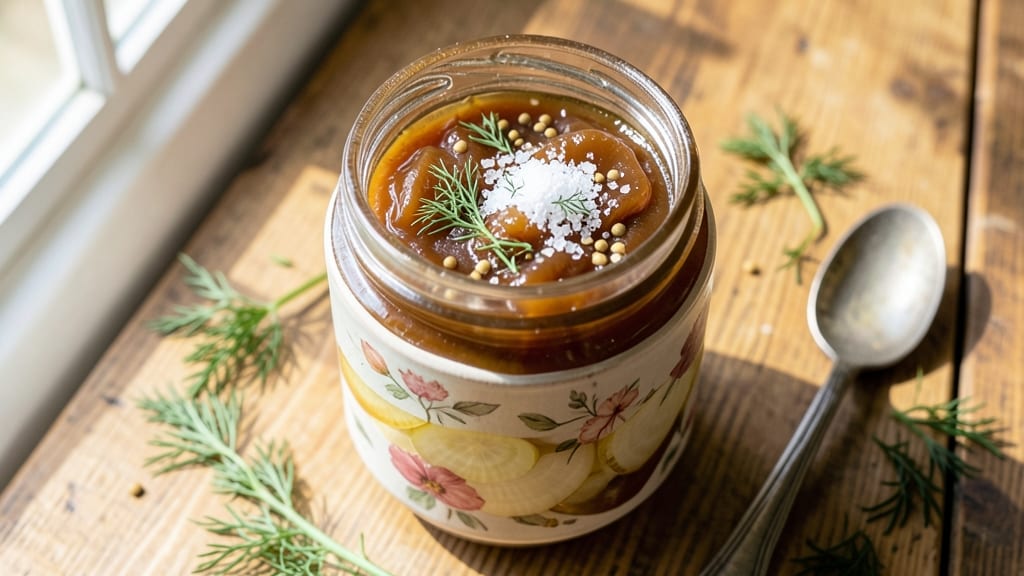
A no-cook bread and butter pickle recipe transforms simple pantry staples into a tangy, sweet-savory condiment that elevates sandwiches, burgers, and charcuterie boards. This method relies on vinegar and sugar to create a quick-pickle that develops flavor in minutes—no heat, no fuss, and no specialized equipment required.
The key lies in balancing sweetness, acidity, and subtle spices, resulting in a condiment that’s both nostalgic and surprisingly versatile.
What sets this recipe apart is its simplicity: just five ingredients combine to create a condiment that rivals traditional recipes but requires no cooking or fermentation time. The vinegar acts as a natural preservative, while sugar and spices like mustard seed and dill create the signature sweet-and-tangy profile.
Unlike store-bought versions, this recipe delivers bright, fresh flavors without artificial additives.
In just 5 minutes, you’ll have a jar of vibrant, crunchy pickles ready to enhance any meal. The texture remains crisp, and the flavor develops immediately, making it perfect for last-minute gatherings or meal prep.
Whether you’re spreading it on a classic BLT, topping a grilled cheese, or serving it alongside cured meats, this condiment adds a burst of homestyle flavor.
Store leftovers in the refrigerator for up to 2 weeks, where the flavors continue to meld and deepen. For a longer shelf life, transfer to a sealed jar and refrigerate.
The beauty of this recipe lies in its adaptability—use it as a sandwich spread, a burger topping, or even a tangy dip for chips. Let’s get started!
Ingredients for no cook bread and butter pickle
Five simple ingredients transform into a nostalgic, tangy-sweet condiment perfect for sandwiches and charcuterie.
| Ingredient | Amount | Notes |
|---|---|---|
| White Vinegar 💧 | 1 cup | Distilled white preferred for clarity |
| Granulated Sugar 🍬 | 1 cup | Light brown sugar for deeper caramel notes |
| Yellow Onion 🧅 | 1 whole | Thinly sliced, about 1 cup |
| Sweet Pickle Relish 🥒 | 1 cup | Store-bought or homemade preferred |
| Mustard Seeds 🌶️ | 1 ½ tsp | Whole seeds for texture |
| Dried Dill Weed 🌿 | 1 tsp | Crushed between fingers for aroma |
| Celery Seed 🌿 | ½ tsp | Ground for smooth texture |
| Salt 🧂 | 1 tsp | Diamond Crystal kosher preferred |
| Black Peppercorns 🌶️ | ¼ tsp | Lightly crushed for subtle heat |
The vinegar serves as both preservative and flavor backbone—opt for distilled white to avoid any off-flavors. Light brown sugar adds subtle caramel depth, but granulated works fine for consistent sweetness. For the onion, yellow varieties yield the best balance of sharpness and mildness; thinly slice for even distribution. Sweet pickle relish (like Heinen's or Vlasic) provides the signature tang without requiring additional pickling time. Sourcing these staples from bulk bins at Whole Foods or Trader Joe's ensures freshness, especially for the spices.
No mustard seeds? Ground mustard at half the amount works in a pinch, though texture will differ. Substitute dried dill with fresh dill at one-third the quantity, but taste first—fresh can overpower. Celery seed is non-negotiable for that classic bread-and-butter profile, but if unavailable, ground coriander adds a similar earthiness. For vinegar, apple cider vinegar introduces a fruity note, though it may cloud the mixture slightly. Always crush peppercorns lightly—too fine can make the condiment bitter.
This preserves beautifully in a sterilized glass jar for up to 2 weeks refrigerated. For longer storage, transfer to a sealed container and refrigerate for 3 months. The flavors deepen after 24 hours, so make it a day ahead for optimal balance. Portion into small jars for easy use—perfect for last-minute sandwich prep or charcuterie boards. Avoid metal utensils to prevent reactions with the vinegar.
Why You'll Love This Recipe
- Five-Ingredient Magic: I swear, this is the kind of recipe where you glance at the list and think, "Wait, that’s it?" No chopping, no peeling, no waiting for water to boil—just vinegar, sugar, onion, relish, and mustard seeds tossed together. My lazy Sundays just got a whole lot easier.
- Sweet-Tangy Perfection: That balance of sharp vinegar, caramelized sugar, and the faintest hint of mustard heat? It’s like a party in your mouth. The onion adds this gorgeous bite, while the relish keeps it bright and familiar—no weird aftertaste, just pure, addictive flavor.
- Picnic Table Hero: Between us, this is my go-to for potlucks, tailgates, or even just a quick snack while watching football. It’s the kind of thing that disappears fast, gets rave reviews from picky eaters, and pairs with everything—sandwiches, burgers, or straight from the jar with a slice of bread.
- Jars Full of Savings: A single batch stretches for weeks in the fridge, and it costs pennies per serving. Honestly, I make it in bulk because it’s cheaper than store-bought and way better. Plus, the leftovers? Still taste fresh days later—no sad, wilty pickles here.
Step-by-step instructions for no-cook bread and butter pickle
This method transforms pantry staples into tangy, sweet preserves without heat.
Prepare the Onion Base
Thinly slice the whole yellow onion into 1/8-inch rounds using a sharp chef's knife. You should yield about 1 cup of sliced onion. Place the slices in a medium mixing bowl and set aside. The onion will form the aromatic foundation of your pickle, so precision in slicing ensures even distribution throughout the mixture.
Here's the thing—if your onion slices vary in thickness, some pieces will remain crunchy while others soften. Aim for uniformity so every spoonful delivers consistent texture. Keep the sliced onion uncovered until ready to combine with other ingredients to prevent premature wilting.
Combine Wet Ingredients
In the same bowl with the sliced onion, add the 1 cup granulated sugar and 1 cup white vinegar. Use a sturdy wooden spoon to gently fold these ingredients together until the sugar begins to dissolve. You'll notice the mixture immediately take on a glossy sheen as the vinegar activates the sugar's caramelizing properties.
This is where the magic begins—the sugar and vinegar create a simple syrup that will preserve the onion while developing complex sweet-tart flavors. Stir just until combined, but don't overmix. The sugar will continue dissolving as the other ingredients are added, so there's no need to force complete dissolution at this stage.
Incorporate the Sweet Pickle Relish
Add the 1 cup sweet pickle relish to the onion mixture and stir vigorously with the wooden spoon. The relish will immediately begin to break down, creating a thicker, more cohesive texture. You'll see the mixture take on a vibrant yellow hue with speckled red accents from the relish's tomato content.
This step is critical for achieving that classic bread and butter pickle flavor profile. The relish contributes both sweetness and acidity while adding subtle tomato notes that balance the onion's sharpness. Stir for about 1 minute to ensure complete integration of all ingredients at this stage.
Add Spices and Seasonings
Crush the 1 tsp dried dill weed between your fingers to release its aromatic oils, then sprinkle it evenly over the mixture. Add the 1.5 tsp mustard seeds, 0.5 tsp celery seed, 1 tsp salt, and 0.25 tsp black peppercorns. Using the wooden spoon, fold these seasonings gently but thoroughly through the mixture.
Real talk: the mustard seeds should remain whole for texture, while the celery seed should be ground slightly to ensure smooth distribution. The dill weed's aroma will intensify as it sits, so don't be shy with the crushing—this is where the herb's character shines. The mixture should now have a rich, complex aroma with bright herbal notes and subtle spice warmth.
Rest and Thicken
Cover the bowl with plastic wrap and let the mixture rest at room temperature for at least 4 hours, preferably overnight. This resting period allows the flavors to meld completely and the mixture to thicken naturally through the sugar's preservative properties. You'll notice the texture become more gel-like as it sits.
Don't skip this step—I learned the hard way that rushing this process results in a watery pickle with underdeveloped flavors. The longer it rests, the better the final product will be. After resting, the mixture should hold its shape when spooned, with a consistency similar to thick jam. Transfer to clean jars and store in the refrigerator for up to 2 weeks.
Pro Tips For Making No Cook Bread And Butter Pickle
- STIR VIGOROUSLY: This isn’t just stirring—you’re dissolving sugar and breaking up onion chunks for even flavor distribution. Use a wooden spoon and give it 30 seconds of real effort after adding sugar, or you’ll end up with grainy pockets of sweetness. (I learned this the hard way when my first batch tasted like a science experiment.)
- SLICE ONION THIN: Skip the chopping—thinly slice the onion (⅛-inch or less) so it softens properly without turning mushy. A mandoline makes this easy, but even a sharp knife works if you’re patient. Thick slices stay crunchy and ruin the texture.
- COVER AND REST: After mixing, let the jar sit uncovered for 10 minutes first—this lets the vinegar’s acidity start working. Then seal it and refrigerate. Skipping this step means your pickles won’t develop that tangy depth in time.
- USE FRESH MUSTARD SEEDS: Whole mustard seeds need to bloom for flavor, so toast them lightly in a dry pan for 30 seconds before adding. Store-bought ground seeds won’t give the same punch—this is the thing that matters most if you want that classic kick. (Yes, even if you’re impatient like me.)
Flavor customization for no cook bread and butter pickle
Sweet Heat Variations
For a spicier kick, add ½ tsp cayenne pepper or 1 tsp hot sauce (like Cholula) to the mixture. I find Tabasco works best because it blends smoothly without overpowering the sweet-tart balance.
For a milder heat, swap the cayenne for ½ tsp smoked paprika—this adds depth without sharpness. 🌶️
Herb Swaps
Fresh herbs elevate this condiment instantly. Replace dried dill with 1 tbsp chopped fresh dill (use half the amount) or add 1 tsp chopped chives for a milder, oniony note.
For a Mediterranean twist, mix in ½ tsp dried oregano alongside the celery seed. These swaps keep the classic profile while adding brightness.
Sweetness Adjustments
Need more sweetness? Add 2 tbsp honey or maple syrup to the sugar measurement. For a caramelized depth, replace ¼ cup sugar with 2 tbsp brown sugar. I’ve also experimented with 1 tbsp molasses, which adds a rich, almost coffee-like note that pairs beautifully with cured meats. 🍯
Savory Add-Ins
For a deeper umami profile, stir in 1 tbsp soy sauce or 1 tsp Worcestershire sauce after the resting period. These additions work surprisingly well with the sweetness, especially when paired with grilled meats. Another trick: add 1 tbsp finely chopped jalapeño (seeds removed) for a subtle heat that lingers.
Regional Twists
In the South, this condiment often includes 1 tsp apple cider vinegar swapped for white vinegar, adding fruity complexity. For a Midwest touch, add ½ tsp ground ginger—it’s a nostalgic nod to classic diner-style pickles.
In California, many versions incorporate 1 tbsp chopped kalamata olives for briny contrast. 🗺️
Texture Play
Keep the onions whole for a chunkier texture, or pulse them in a food processor for a smoother spread. For crunch, add 2 tbsp toasted breadcrumbs or crushed potato chips (like Ruffles) after the resting period.
These additions work surprisingly well on burgers or as a topping for deviled eggs. 🥔
Nutrition facts
Frequently asked questions
Can I use this no-cook pickle recipe with fresh vegetables instead of relish?
Yes, but with modifications! For a fresh version, thinly slice 1 cup cucumber and ½ cup carrot and add them to the vinegar-sugar mixture. Let them soak for 1 hour before adding other ingredients to prevent mushiness. The texture will be crunchier but less sweet than traditional relish-based versions.
How long does this preserve last without refrigeration?
The vinegar-sugar mixture acts as a natural preservative, but for safety, store in a sealed jar in the fridge for up to 2 weeks. At room temperature, it lasts 3-4 days—the sugar helps slow bacterial growth, but refrigeration is ideal. Always use clean utensils to avoid contamination.
Can I make this spicier for BBQ or sandwiches?
Add ½ tsp cayenne pepper or 1 tsp hot sauce (like Cholula) to the final mixture. For smoky heat, swap the cayenne for ½ tsp smoked paprika. Stir well and let it rest 1 extra hour to meld flavors. This works perfectly on pulled pork sandwiches or grilled chicken.
Why does my pickle turn watery after resting?
Watery texture usually means the sugar didn't fully dissolve or the mixture wasn't rested long enough. Stir the sugar into warm (not hot) vinegar first to help it dissolve completely. Also, ensure you're using 1:1 vinegar-to-sugar ratio—too much vinegar dilutes the mixture. Let it rest overnight for best results.
What are the best ways to use this condiment beyond sandwiches?
This versatile spread shines on burgers, hot dogs, grilled cheese, and charcuterie boards. Try it as a dip for pretzels or chips, a topping for deviled eggs, or mixed into mayonnaise for a tangy twist. It also elevates fried chicken or fish tacos with its sweet-tart balance.