
Main Courses
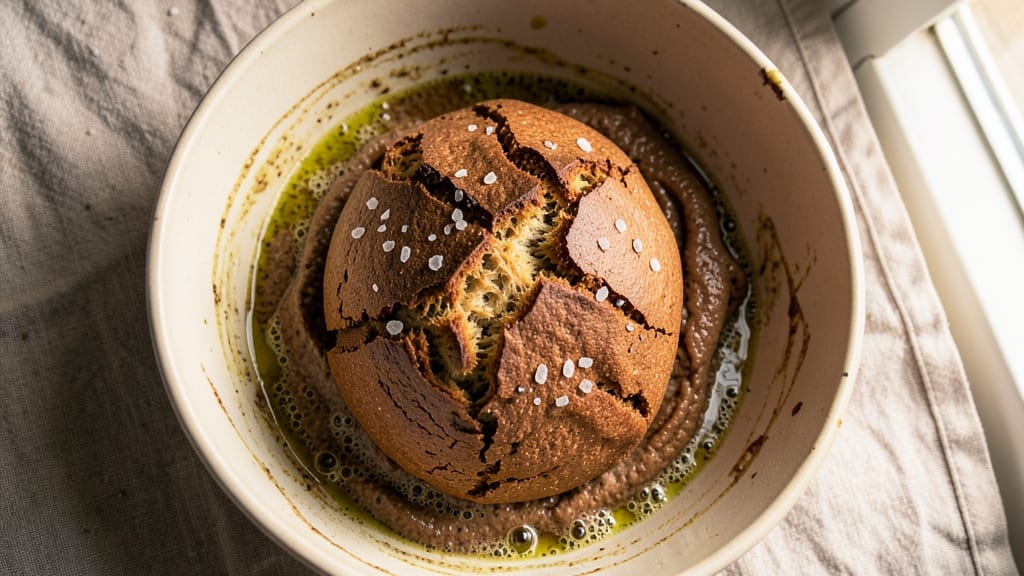
This no-knead wholemeal bread recipe delivers the rustic charm of artisanal loaves without the labor—just a few simple ingredients and patience. The beauty of wholemeal flour brings a nutty depth and hearty texture that whole wheat alone can't match, while the no-knead method makes it accessible even for busy bakers.
I developed this after years of experimenting with traditional wholemeal loaves that always turned out dense or uneven.
The secret lies in the slow fermentation: letting the dough rest overnight transforms tough wholemeal into a light, airy crumb with a crispy crust. You’ll need just five core ingredients—wholemeal flour, yeast, water, salt, and a touch of honey or oil—and optional additions like seeds or herbs for extra flavor.
The process is hands-off, requiring only a bowl, a warm spot, and about 24 hours to complete.
By the time you pull it from the oven, you’ll have a loaf with a golden, crackling crust and a tender, nutty crumb that’s perfect for sandwiches or toast.
The aroma alone will have everyone asking for seconds. This recipe proves wholemeal bread can be both nutritious and delicious—no kneading required.
Whether you’re a beginner or an experienced baker, this foolproof method ensures consistent results every time. Let’s get started on your first loaf—it’s simpler than you think.
Ingredients for no knead wholemeal bread
Five core ingredients transform into rustic wholemeal perfection with zero effort.
| Ingredient | Amount | Notes |
|---|---|---|
| Wholemeal Flour 🌾 | 4 cups | High-protein for better texture |
| Active Dry Yeast 🍞 | ¼ tsp | Freshly opened for best results |
| Warm Water 💧 | 1 ½ cups | 105-110°F for optimal yeast activation |
| Honey 🍯 | 2 tbsp | Feeds yeast and adds subtle sweetness |
| Coarse Sea Salt 🧂 | 1 ½ tsp | Diamond Crystal preferred for flavor |
| Olive Oil 🫒 | 1 tbsp | Extra-virgin for richness |
| Sesame Seeds 🌻 | 2 tbsp | Optional for crust texture |
| Cornmeal 🌽 | 2 tbsp | For dusting baking surface |
The flour is everything here—King Arthur or Bob's Red Mill wholemeal (not white whole wheat) gives that signature nutty crumb. Bulk bins at Whole Foods often have fresher options, but the regular grocery store bags work fine if they're labeled '100% wholemeal.' Avoid pre-mixed whole wheat blends with added fillers. For the yeast, check the expiration date—old yeast is the #1 reason no-knead dough fails. I keep mine in the freezer to extend freshness. The water temperature matters: too hot kills yeast, too cold makes it sluggish. Aim for just warm to the touch.
No honey? Maple syrup or corn syrup at half the amount works, but honey's natural enzymes help fermentation. Swapping olive oil for butter? Use melted, unsalted butter at the same quantity—it adds incredible richness. For seeds, sunflower or flaxseeds are great alternatives to sesame. The cornmeal can be swapped for all-purpose flour if you're out, but it helps create that signature crust. Pro tip: if your kitchen is cold, place the dough bowl in a warm oven with a cup of boiling water to speed up fermentation—just 10 minutes makes a difference.
This dough is forgiving but timing is key. After mixing, cover and let it sit at room temp for 12 hours, then transfer to the fridge for another 12 if your kitchen's warm. It keeps for up to 3 days in an airtight bag at room temp, or freeze shaped loaves for 3 months. For reheating, wrap cooled loaves in foil and warm at 300°F for 10 minutes. The crust stays crisp for 2 days if stored in a paper bag—no need for plastic.
Why You'll Love This Recipe
- Minimal Mixing Magic: The dough comes together with just four ingredients and zero fuss—no standing at the counter, no overworking the flour. I swear, I’ve made this while chatting with my neighbor and still ended up with a loaf that smells like a bakery.
- Nutty-Sweet Crust: That honey? It caramelizes into a golden crust with a subtle bite, while the wholemeal gives it a toasty, earthy depth. Honestly, I’d eat this plain—no butter needed—because the flavor’s already ridiculously good.
- Weeknight Workhorse: Toss a batch in the fridge on Sunday, and you’ve got toast for breakfast, sandwiches for lunch, and dinner rolls ready to go. Between us, this is how I feed my family without sacrificing taste (or my sanity).
- Pantry-Friendly Staple: Wholemeal flour and yeast are cheap, and this recipe stretches them further than store-bought. I’ll be real: I’ve made three loaves with the same starter mix, and they’re still better than the $4 loaves at the grocery store.
Step-by-step instructions for no-knead wholemeal bread
This method delivers rustic texture and nutty flavor with minimal effort—just follow these precise steps.
Activate the Yeast and Create the Dough
In a large mixing bowl, combine the 1.5 cups warm water (between 105-110°F) with the 2 tablespoons honey and 0.25 teaspoon active dry yeast. Let this sit for 5-10 minutes until you see foamy bubbles forming on the surface—this confirms the yeast is active. If it doesn't bubble, your water may be too hot or the yeast expired.
Add the 4 cups wholemeal flour and 1.5 teaspoons coarse sea salt to the bowl. Using a wooden spoon or your hands, stir vigorously until a shaggy dough forms. The wholemeal flour will be heavier than white flour, so don't be surprised if the dough feels denser. Once combined, drizzle in the 1 tablespoon olive oil and mix until fully incorporated. The dough should be sticky but manageable—this is normal with wholemeal flour.
Rest the Dough for Optimal Development
Cover the bowl with a damp kitchen towel or plastic wrap, then place it in a warm spot (like the top of your refrigerator or near a slightly warm oven with the light on) for 12-18 hours. This long rest allows the yeast to slowly ferment the dough, developing complex flavors and improving texture. The dough will nearly double in size and become puffy with small bubbles.
Here's the thing—resist the urge to peek or stir during this time. Each disturbance releases gases and can weaken the gluten structure. If you're concerned about overproofing, perform the finger test after 12 hours: gently press your finger into the dough. If it springs back slowly (not immediately), it's ready. If it springs back quickly, give it another hour.
Shape and Prepare for Baking
Lightly flour a clean work surface and turn out the dough. Using wet hands (this prevents sticking), gently fold the dough over itself 3-4 times to tighten the surface. Shape it into a round loaf, tucking the edges underneath. Place the shaped dough seam-side up in a lightly greased 9x5-inch loaf pan (or a Dutch oven if baking free-form).
Sprinkle the 2 tablespoons sesame seeds evenly over the top for texture and flavor. Cover loosely with plastic wrap and let it rest at room temperature for 1 hour. This final rest allows the dough to relax slightly, making it easier to handle and preventing cracking during baking.
Bake to Golden Perfection
Preheat your oven to 375°F. Bake the bread for 45-50 minutes until the top is deep golden brown and an instant-read thermometer inserted into the center reads 190-200°F. The crust should sound hollow when tapped on the bottom. If the top browns too quickly, tent with foil to prevent over-browning while the interior finishes baking.
For an even better crust, you can also bake it on a preheated baking stone or in a Dutch oven for 30 minutes, then transfer to the upper rack for the final 15-20 minutes to crisp the crust. Remove from the pan immediately and let cool on a wire rack for at least 30 minutes before slicing—this prevents a gummy crumb.
Store for Maximum Freshness
Once completely cool, wrap the bread in beeswax wrap or place it in an airtight container. Store at room temperature for 2-3 days or freeze for up to 3 months. Wholemeal bread benefits from a day or two of aging as the starches convert to sugars, enhancing flavor. For best results, toast slices before serving to revive the crust and bring out the nutty notes.
This bread makes 4 generous servings—perfect for sandwiches, toast, or served alongside soups. The crust will be rustic and slightly crisp, while the interior remains tender with a satisfying chew. The sesame seeds add a subtle crunch that contrasts beautifully with the hearty crumb.
Pro Tips For Making No Knead Wholemeal Bread
- Mix the dough just until combined: Wholemeal flour is stubborn—it wants to clump like a grumpy cat. After adding the water, stir vigorously for about 30 seconds, then let it sit for 5 minutes before mixing again. This lets the flour absorb moisture properly, so you’re not fighting dry patches later. I learned this the hard way after pulling apart a lumpy mess that refused to rise.
- Use honey last—not first: If you dissolve the honey in the warm water first, you’ll end up with a sticky, unmanageable dough. Instead, add it after mixing the flour and water—this keeps the dough workable while still feeding the yeast. Trust me, your hands will thank you when shaping.
- Don’t skip the overnight rest: Wholemeal dough needs time to hydrate and develop flavor—rushing it means a dense, crumbly loaf. Cover the bowl and let it sit for at least 12 hours (or up to 18) in a warm spot. This isn’t just waiting; it’s where the magic happens.
- Shape it loosely—don’t overwork: Wholemeal dough is fragile. Gently fold it a few times, then shape into a loose round or oval—no need for tight tension. Over-handling releases gluten, which can make the bread gummy. My first loaf turned out like a brick because I treated it like white dough. Relax.
Regional styles of this no knead wholemeal bread
British Rustic Style
In the UK, this bread transforms into a sourdough-inspired loaf by replacing half the yeast with a 10% sourdough starter (about ½ cup). The starter adds tangy depth and improves rise—perfect for the damp British climate.
I use Stoneground wholemeal flour (available at Waitrose or Tesco) for extra nuttiness. Bake in a cast-iron skillet for 50-55 minutes at 375°F to mimic traditional hearth baking. 🌟
Italian Focaccia Twist
For an Italian-inspired version, swap sesame seeds for 1 tbsp dried rosemary and 2 tbsp black olives (pitted and sliced). After shaping, dimple the dough with your fingers before baking. Brush the crust with 2 tbsp olive oil after 20 minutes for that classic focaccia sheen.
Bake in a 9x13-inch pan for 40-45 minutes until golden. Serve warm with balsamic glaze. 🍅
Scandinavian Seed Loaf
Nordic bakers love adding pumpkin seeds and rye flour for extra heartiness. Mix 1 cup wholemeal flour with 1 cup rye flour and top with ¼ cup pumpkin seeds plus 2 tbsp sunflower seeds.
The rye adds a deep, earthy flavor that pairs perfectly with Scandinavian smoked fish or cheese. Bake in a Dutch oven for 50 minutes at 375°F for a crispy crust. 🌾
French Baguette Adaptation
Shape the dough into a 12-inch log (like a baguette) and bake on a baking stone for 35-40 minutes at 425°F. Brush with 1 tbsp melted butter after 10 minutes for a golden crust.
This version works beautifully with French cheeses like Brie or Camembert. For extra authenticity, sprinkle with fine sea salt just before baking. 🥖
American Hearty Sandwich Bread
Add 1 tbsp caraway seeds and 1 tsp cinnamon for a sweet-savory twist that’s perfect for Reuben sandwiches. Shape into a 9x5-inch loaf and bake for 45 minutes at 375°F. The caraway adds warmth, while the cinnamon balances the nutty wholemeal. Slice thick for classic American-style sandwiches. 🥪
Mediterranean Herb Version
Stir 1 tbsp dried oregano and 1 tsp dried thyme into the dough before shaping. Top with 1 tbsp sesame seeds and 1 tbsp poppy seeds for a fragrant, aromatic loaf.
Bake in a clay pot for 50 minutes at 375°F to enhance the herb flavors. Pairs perfectly with Greek salads or grilled meats. 🌿
Nutrition facts
Frequently asked questions
Why does my wholemeal dough feel heavier than white flour dough?
Wholemeal flour contains bran and germ, which absorb more water and create a denser texture. The dough will be stickier and heavier, but this is normal—don't add extra flour. The long fermentation helps lighten it, resulting in a tender crumb despite the heavier feel.
Can I substitute wholemeal flour with whole wheat flour?
No, they're not the same! Wholemeal uses the entire grain (bran, germ, and endosperm), while whole wheat is typically a blend with added white flour. For best results, stick with 100% wholemeal—it delivers the signature nutty flavor and hearty texture. If unavailable, try a high-protein wholemeal blend from specialty stores.
How do I fix dense bread that didn't rise properly?
Most likely, your yeast was inactive or the dough didn't ferment long enough. Next time, test yeast by mixing with warm water and sugar—it should bubble in 5-10 minutes. For future loaves, extend fermentation to 18-24 hours in a warm spot (like a turned-off oven with a cup of boiling water).
What's the secret to a crispy crust without burning?
Preheat your oven to 375°F with a baking stone or Dutch oven inside for 30 minutes before baking. Brush the loaf with water just before baking, then bake uncovered. If it browns too fast, tent with foil after 20 minutes—the crust will crisp up as it cools.
Can I make this bread in a Dutch oven for better texture?
Shape the dough into a round loaf, place it in a parchment-lined Dutch oven, and bake covered for 30 minutes at 375°F. Remove the lid and bake 15-20 minutes more for a crispy crust. The Dutch oven traps steam, creating that perfect artisan texture.