
Breakfast & Brunch
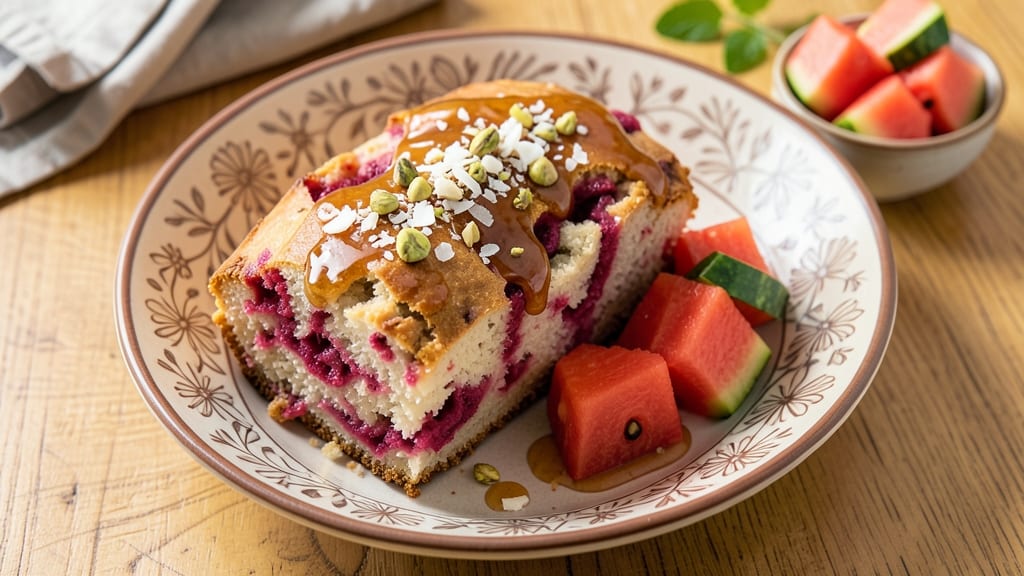
This watermelon bread recipe transforms summer's sweetest fruit into a moist, vibrant breakfast loaf that tastes like sunshine in every bite. The secret lies in blending ripe watermelon into the batter, creating a tender crumb infused with natural sweetness and subtle juiciness.
I developed this recipe during peak watermelon season when I wanted something lighter than traditional fruit breads but still packed with flavor.
The process is surprisingly straightforward—just blend watermelon puree, mix it into a simple yeast dough, and let the magic happen in the oven. You'll end up with a loaf that's perfectly sweet without being cloying, thanks to the watermelon's natural sugars balancing the yeast's tang.
The texture stays moist for days, making it ideal for breakfast or afternoon snacks.
What makes this recipe truly special is its versatility. Serve it warm with a pat of butter or dollop of whipped cream for a restaurant-worthy brunch, or enjoy it cold with a smear of cream cheese.
The watermelon flavor shines brightest when paired with complementary textures—try adding lemon zest to the batter for extra brightness or folding in fresh berries for a mixed-fruit variation.
Ready in just 30 minutes of active prep (plus rising time), this loaf delivers restaurant-quality results without requiring advanced baking skills. The key is using perfectly ripe watermelon—look for flesh that's deep red and slightly soft to the touch. Let's get baking!
Ingredients for watermelon bread
Fourteen simple ingredients transform summer fruit into a restaurant-worthy breakfast loaf.
| Ingredient | Amount | Notes |
|---|---|---|
| Watermelon 🍉 | 1 ½ cups | Seedless, ripe flesh pureed |
| All-Purpose Flour 🌾 | 3 cups | Sifted for light texture |
| Granulated Sugar 🍚 | ½ cup | Light brown sugar for depth |
| Active Dry Yeast 🍞 | 2 ¼ tsp | Fresh yeast preferred |
| Warm Milk 🥛 | 1 cup | 110°F for yeast activation |
| Unsalted Butter 🧈 | ¼ cup | Melted, cooled slightly |
| Large Eggs 🥚 | 1 whole | Room temperature |
| Vanilla Extract 🍯 | 1 tsp | Pure vanilla preferred |
| Salt 🧂 | ½ tsp | Diamond Crystal preferred |
| Lemon Zest 🍋 | 1 tbsp | Brightens watermelon flavor |
| Powdered Sugar 🍚 | ¼ cup | For topping (optional) |
| Fresh Blueberries 🫐 | ½ cup | Optional swirl variation |
The watermelon is non-negotiable—seedless varieties like Crimson Sweet work best for puree. Hit the farmers market for peak ripeness (that deep red, slightly soft flesh). Trader Joe's and Whole Foods usually have perfect watermelons year-round. If using store-bought, skip the rind and seeds entirely. For the yeast, Fresh Active Dry Yeast from the refrigerated section at Costco or Penney's stays potent longer than the shelf-stable kind. The butter? Plugrá or Land O'Lakes work fine, but grass-fed has better flavor if you're splurging. Lemon zest should be fresh—organic Meyer lemons from the grocery store's produce section add that perfect citrus brightness.
No fresh watermelon? Frozen watermelon chunks (thawed and drained) work in a pinch, though texture gets slightly grainier. Swapping blueberries? Raspberries or blackberries add deeper color, but blueberries keep the classic vibrancy. The vanilla extract can be imitation, but pure Madagascar bourbon vanilla from Williams Sonoma takes this to next-level. For the sugar, light brown adds moisture, but white sugar plus 1 tsp molasses mimics the depth. The powdered sugar topping? Confectioners' sugar from the baking aisle keeps clumps out—sift it before using. If you're feeling fancy, fold in 1 tbsp white chocolate chips for a sweet-salty twist.
This loaf keeps beautifully—3 days at room temperature wrapped in a clean kitchen towel, or 5 days refrigerated in an airtight container. For longer storage, slice and freeze portions between parchment paper for 3 months. The flavor actually improves overnight as the watermelon's natural sugars caramelize slightly. I always bake an extra loaf—toast the next day with butter and jam is pure magic. The blueberry swirl variation? Toss the berries with 1 tsp flour to prevent sinking while baking.
Why You'll Love This Recipe
- No-Fuss Dough: I swear, this dough comes together faster than my coffee brews. Just mix the yeast with warm milk and sugar—let it bubble for five minutes—and boom, you’re halfway there. No stand mixer, no fuss, just a bowl and a spoon.
- Summer in a Loaf: That first bite? Pure sunshine. The watermelon’s natural sweetness cuts through the bread’s soft, slightly tangy crumb—like a juicy snack and a slice of heaven in one. Honestly, I’ve never missed jam this much.
- Picnic-Proof Staple: Pack it for lunch, toss it in a basket for a tailgate, or serve it at a brunch where no one wants to leave. It holds up better than store-bought, and the watermelon chunks stay fresh longer than you’d think. (Yes, even on a Tuesday picnic.)
- Budget-Friendly Magic: Watermelon’s cheap in season, and you’re using the rind for flavor—not waste. A single loaf costs me pennies compared to fancy breads, and the leftovers? Toast them the next morning—same deliciousness, zero guilt.
Step-by-step instructions for refreshing fruit swirl breakfast loaf
Here's how to make this summery bread in under an hour—no fancy techniques required.
Activate the Yeast with Warm Milk and Watermelon
In a small bowl, combine the 1 cup warm milk (about 110°F) with the 2.25 teaspoons active dry yeast and let it sit for 5-7 minutes until foamy. This tells you the yeast is alive and ready to work. While waiting, puree the 1.5 cups seedless watermelon in a blender or food processor until completely smooth—no pulp should remain.
Strain the puree through a fine-mesh sieve to remove any remaining seeds or fibers, then set aside. The watermelon's natural sweetness will balance the bread's structure perfectly. If your watermelon tastes particularly tart, add 1 tablespoon lemon zest to the yeast mixture now—it brightens the flavor while keeping the dough light.
Mix the Dough and Incorporate Fruit
In a stand mixer fitted with the dough hook, combine the 3 cups all-purpose flour, 0.5 cup granulated sugar, 0.5 teaspoon salt, and the 1 whole large egg. Mix on low speed until just combined, about 1 minute. This step ensures even distribution of dry ingredients without developing too much gluten.
Add the melted 0.25 cup unsalted butter (cooled slightly), 1 teaspoon vanilla extract, and the yeast-milk mixture. Mix on medium speed for 3-4 minutes until the dough pulls away from the sides of the bowl and looks smooth. Scrape down the sides as needed. Now fold in the 1.5 cups watermelon puree and 0.5 cup fresh blueberries (if using) by hand with a silicone spatula—this keeps the fruit intact for those beautiful swirls.
Knead, Rise, and Shape for Perfect Texture
Continue mixing the dough on medium speed for 5-6 minutes until it becomes elastic and springs back when poked. The dough should feel slightly tacky but not sticky—if it sticks to your fingers, add 1 tablespoon flour at a time until it releases cleanly. Transfer the dough to a lightly floured surface and knead gently for 1 minute to smooth out any rough spots.
Place the dough in a greased bowl, cover with a damp towel, and let it rise in a warm place for 45-60 minutes until doubled in size. You'll know it's ready when the dough puffs up and leaves an indent when pressed gently with a finger. Punch down the dough to release air, then transfer it to a 9x5-inch loaf pan lined with parchment paper.
Swirl and Bake to Golden Perfection
Here's where the fun happens: use a butter knife to create a well down the center of the dough, about 2 inches wide and 1 inch deep. Spoon half of the remaining watermelon puree (about ½ cup) into the well, then gently fold the sides of the dough over the puree to create a swirl. Repeat with the 0.5 cup fresh blueberries if using, distributing them evenly along the swirl.
Cover the loaf pan with a damp towel and let it rise for another 20-25 minutes until the dough reaches the top of the pan. Preheat your oven to 350°F while the dough rises. Brush the top of the loaf with a little water, then sprinkle 0.25 cup powdered sugar evenly over the surface for that classic bread finish. Bake for 35-40 minutes until the top is golden brown and the internal temperature reaches 190°F.
Cool and Serve for Maximum Freshness
Remove the loaf from the oven and let it cool in the pan for 10 minutes, then transfer it to a wire rack to cool completely. The bread will continue to set as it cools, making it easier to slice. For the best texture, serve slices at room temperature—this allows the watermelon flavor to fully develop and the crumb to soften just enough for that perfect bite.
Slice the loaf into ¼-inch thick pieces and serve with a pat of unsalted butter or a drizzle of honey to enhance the natural sweetness. Store any leftovers in an airtight container at room temperature for 2 days or refrigerate for up to 5 days. The watermelon flavor intensifies slightly as it sits, so this bread actually tastes better the next day!
Pro Tips For Making Watermelon Bread
- Blend, Don’t Mash: DESCRIPTION: Puree the watermelon until it’s smooth—no chunks, no pulp. I learned this the hard way after pulling out a bread with watermelon bits that tasted like a science experiment gone wrong. Use a fine-mesh sieve if you’re worried about seeds, but skip it if you’re confident in your blender.
- Proof Yeast Twice: DESCRIPTION: Let the yeast bloom in warm milk first (5 minutes until foamy), then mix it into the wet ingredients. After combining everything, give the dough another 10-minute rise before shaping. This extra step guarantees a light crumb—my first attempts without it turned out dense, like a brick with frosting.
- Seed the Dough: DESCRIPTION: Fold in ½ cup of the watermelon puree last—right before the final rise. This keeps the flavor bright and prevents the dough from turning gray. (Yes, it’s messy, but your bread will taste like summer, not a sad smoothie.)
- Bake Until Golden: DESCRIPTION: Skip the toothpick test—this bread needs color. Bake until the crust is deep golden brown (about 325°F for 45–50 minutes). Underbaked bread tastes raw; overbaked bread burns. I now set a timer and watch the oven window like a hawk.
Serving suggestions for watermelon bread
Classic Serving Style
Serve warm slices of this watermelon bread straight from the oven with a pat of Land O'Lakes unsalted butter melted on top—its rich creaminess balances the fruit's natural sweetness perfectly. 🍞 For an extra touch, sprinkle with flaky sea salt (like Maldon) to create a sweet-salty contrast that enhances every bite.
I always recommend cutting ¼-inch thick slices for ideal texture—thinner slices toast beautifully for breakfast, while thicker pieces work well for afternoon snacks.
Brunch Pairings
Transform your brunch spread by serving this bread alongside fresh berries (strawberries or raspberries work beautifully) and a Greek yogurt parfait. The bright acidity of the yogurt complements the watermelon's juiciness, while the berries add vibrant color to your table.
For a complete meal, pair with scrambled eggs and crispy bacon—the smoky, savory flavors provide a perfect counterpoint to the sweet bread.
Creamy Toppings
Drizzle individual slices with whipped cream or vanilla bean ice cream for a dessert-like experience. I love using Breyers vanilla bean whipped cream—its rich texture and subtle vanilla notes elevate the watermelon flavor.
For a lighter option, try Greek yogurt mixed with a touch of honey and lemon zest. The yogurt adds protein while keeping the dish refreshing and light.
Summer Picnic Idea
Pack this bread in airtight containers with sliced cucumbers and cheese cubes for a perfect summer picnic. The watermelon's cool, refreshing flavor pairs wonderfully with sharp cheddar or goat cheese, while the cucumbers add a crisp, hydrating element.
Serve with iced herbal tea (like mint or lavender) to complete the refreshing spread. 🌞
Dessert Twist
For a decadent dessert version, dust the cooled bread with powdered sugar and serve with warm caramel sauce drizzled on top. The caramel's rich sweetness contrasts beautifully with the watermelon's natural juiciness.
I also recommend pairing it with espresso—the bitterness cuts through the sugar and enhances the fruit's brightness. This makes an impressive dessert for summer gatherings or dinner parties.
Make-Ahead Tips
Slice the bread ahead of time and store in an airtight container at room temperature for up to 2 days. Before serving, lightly toast the slices to restore freshness.
For a restaurant-worthy presentation, arrange slices on a wooden board with fresh mint leaves and edible flowers for a visually stunning centerpiece. The bread's flavors actually improve overnight, making it perfect for next-day breakfasts or late-night snacks. ✨
Nutrition facts
Frequently asked questions
Can I substitute other fruits for watermelon in this recipe?
While watermelon gives that signature summer flavor, you can swap it for peach, mango, or pineapple puree for similar sweetness. For a berry twist, try raspberry or strawberry puree (reduce sugar by 1-2 tablespoons since berries are naturally sweeter). Just ensure your fruit is perfectly ripe and strain out seeds or skins for the best texture.
Why did my bread turn out dense instead of light and airy?
Dense bread usually means the yeast didn't activate properly or the dough didn't rise enough. First, check if your milk was too hot (should be 110°F)—yeast dies above 120°F. Also, ensure your yeast was fresh (test it by dissolving 1 tsp in ¼ cup warm water—it should foam in 5-10 minutes). Let the dough rise in a warm spot (like near the oven with the light on) for the best lift.
How do I make this recipe gluten-free?
Replace the 3 cups all-purpose flour with a 1:1 gluten-free baking flour blend (like Bob's Red Mill or King Arthur). You may need to add ½ teaspoon xanthan gum for structure. Reduce the watermelon puree to 1 cup since gluten-free doughs absorb more liquid. Let the dough rise for 10-15 minutes longer as gluten-free breads rise slower.
Can I bake this bread in a different pan shape?
Yes! For a round loaf, use a 9-inch cake pan and reduce baking time by 5-7 minutes. For a mini loaf, divide the dough into two 5x3-inch pans and bake for 25-30 minutes. The swirl technique works best in rectangular pans—if using a round pan, create a well in the center and spoon puree/fruit around the edges before shaping.
What's the best way to reheat sliced watermelon bread?
For crispy toast, warm slices in a 350°F oven for 3-5 minutes or use a toaster. To restore softness, wrap slices in a damp paper towel and microwave for 10-15 seconds. Never reheat in the microwave uncovered—it dries out the fruit swirls. The bread reheats best when slightly underdone in the oven.