
Side Dishes
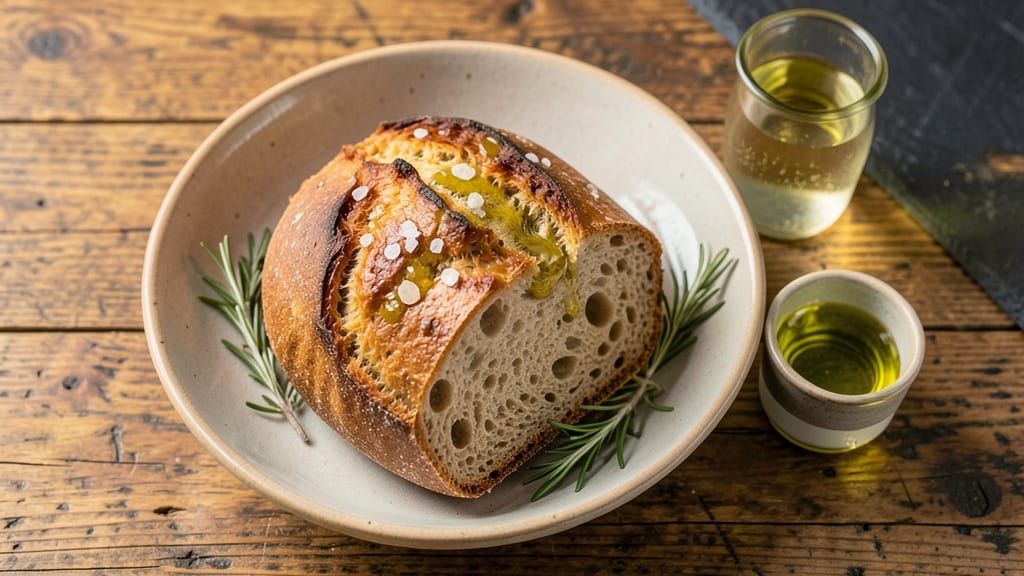
This alkaline spelt bread recipe delivers a lighter, nutty loaf with an open crumb and crispy crust—all without yeast or dairy. The secret lies in baking soda's alkaline magic, which creates that signature tender crumb while keeping the bread naturally low-acid.
I developed this version after years of experimenting with spelt flour's delicate balance, and it's become my go-to for both dietary needs and flavor.
The process is surprisingly straightforward: hydrate the spelt flour with water and a touch of oil, then let the dough rest for 30 minutes before shaping and baking. No kneading required—just fold and press.
The baking soda activates during baking, creating that signature alkaline rise while keeping the bread's natural sweetness intact. For best results, use a Dutch oven to trap steam and create that coveted crispy crust.
What you'll end up with is a loaf that's lighter than traditional spelt bread yet still hearty enough to satisfy, with a nutty flavor that pairs beautifully with soups, stews, or simply buttered slices.
The alkaline method also makes this bread easier to digest for those with mild gluten sensitivities. Each slice delivers that perfect balance of crispy crust and soft interior.
This recipe yields one 8x4-inch loaf that keeps well at room temperature for 3 days or frozen for up to 3 months. Perfect for meal prep or gifting, this bread proves you don't need yeast or dairy to create something extraordinary. Let's get started on your first perfect loaf.
Ingredients for alkaline spelt bread
Nine simple ingredients transform into a nutty, light loaf without yeast or dairy.
| Ingredient | Amount | Notes |
|---|---|---|
| Spelt Flour 🌾 | 3 ½ cups | Organic preferred for better flavor |
| Baking Soda 🧂 | 1 ½ tsp | Alkaline agent for rise |
| Water 💧 | 1 ¾ cups | Room temperature preferred |
| Extra-Virgin Olive Oil 🫒 | ¼ cup | For moisture and richness |
| Apple Cider Vinegar 🍏 | 1 tbsp | Acid to balance alkaline |
| Salt 🧂 | 1 ½ tsp | Fine sea salt preferred |
| Ground Flaxseed 🌿 | 1 tbsp | For binding and nutrition |
| Sunflower Seeds 🌻 | ¼ cup | Toasted for crunch |
| Sesame Seeds 🌾 | 1 tbsp | Optional for topping |
The spelt flour is the star—look for organic at Whole Foods or Trader Joe's for the best flavor. Baking soda is non-negotiable here; Bob's Red Mill brand works perfectly. Sunflower seeds add texture, so toast them in a dry pan for 1-2 minutes until fragrant. I always buy seeds in bulk from Costco—cheaper and fresher. The apple cider vinegar balances the alkaline rise, so grab a small bottle from the baking aisle. No need for fancy brands here; Bragg works fine for this recipe.
No sunflower seeds? Pumpkin seeds work just as well—just toast them first. Short on flaxseed? Chia seeds are a great substitute at the same amount. The olive oil can be swapped for avocado oil if you prefer. For extra flavor, add 1 tsp dried rosemary to the dough. The vinegar can be omitted if you dislike tang, but the bread will be slightly less tender. Always measure the baking soda precisely—too much makes the bread bitter, too little flops the rise.
This dough keeps for 24 hours in the fridge, covered. For longer storage, freeze shaped loaves for up to 3 months. Wrap baked loaves in parchment paper before storing to maintain freshness. Slice with a serrated knife for clean cuts. The seeds on top crisp up beautifully when toasted for 2-3 minutes post-bake. Perfect for meal prep—just reheat slices in a toaster for that fresh-from-oven crunch.
Why You'll Love This Recipe
- No-Knead Magic: I swear by this—just mix, let it rise, and bake. The baking soda and apple cider vinegar do all the work while I sip coffee.
- Tangy Richness: That olive oil and vinegar combo? It’s like a bright, buttery hug in every slice. Honestly, the flavor stays with you longer than most breads.
- Meal Prep MVP: Takes 10 minutes to shape, then I freeze slices for toast all week. No sad, dried-out bread here—it reheats like it’s fresh.
- Budget Baking: Spelt flour might sound fancy, but a bag lasts forever. Plus, the ingredients are cheap enough that I bake twice a week without guilt.
Step-by-step instructions for alkaline spelt bread
This method delivers a perfectly light, airy loaf with minimal effort—just follow these simple steps.
Mix the Wet Ingredients
In a large mixing bowl, combine the 1.75 cups water and 0.25 cup extra-virgin olive oil. Stir until the oil is fully emulsified—you should see a smooth, slightly glossy mixture. This step ensures even moisture distribution throughout the dough.
Next, add the 1 tbsp apple cider vinegar and 1 tbsp ground flaxseed. Mix well until the flaxseed is fully dissolved and the mixture looks like a thin batter. The vinegar will react with the alkaline baking soda later, creating lift. Let this mixture sit for 5 minutes while you prepare the dry ingredients.
Combine Dry Ingredients
In a separate bowl, whisk together the 3.5 cups spelt flour and 1.5 tsp salt. Sift the mixture lightly to aerate the flour—this helps create a lighter crumb in the finished bread. The spelt flour gives this loaf its signature nutty flavor and hearty texture.
Add the 1.5 tsp baking soda to the dry mixture and whisk again to distribute evenly. The baking soda is what makes this bread rise so effortlessly, but it needs the acid from the vinegar to activate properly. Keep this bowl nearby—you'll be combining it with the wet ingredients next.
Form the Dough
Pour the wet ingredients into the dry ingredients and stir gently with a wooden spoon or spatula. Mix just until combined—you should have a thick, shaggy dough that's slightly sticky but not wet. Overmixing can develop gluten too much, which might make the bread denser.
Here's where it gets fun—the dough should be noticeably thicker than traditional bread dough. If it's too sticky, add 1-2 tablespoons more spelt flour until it holds together when pressed. The dough will be soft and slightly wet to the touch, but that's exactly what creates that light, airy crumb.
Let It Rest and Rise
Transfer the dough to a lightly oiled 9x5-inch loaf pan. Wet your fingers and smooth the top gently—this prevents cracking as it rises. Let the dough rest at room temperature for 30 minutes while you preheat your oven to 375°F.
After the rest, the dough should have risen slightly and feel more cohesive. Bake uncovered for 45-50 minutes until the top is deep golden brown and a toothpick inserted in the center comes out clean. The bread will smell incredible—like toasted nuts and warm bread—when it's done.
Add Seeds and Cool
Remove the bread from the oven and immediately sprinkle the 0.25 cup sunflower seeds and 1 tbsp sesame seeds evenly over the top. Let the bread cool in the pan for 10 minutes, then transfer to a wire rack to cool completely. This cooling step is crucial—it allows the crumb to set properly.
Once fully cooled, slice with a serrated knife for clean cuts. The interior should be light and airy with a fine crumb, while the crust remains crisp. Store wrapped at room temperature for up to 3 days or freeze for longer storage. This bread is perfect for toast, sandwiches, or simply enjoyed with butter.
Pro Tips For Making Alkaline Spelt Bread
- STIR THE BATTER WELL: The baking soda in this recipe needs to fully dissolve—don’t just give it a half-hearted mix. Use a whisk or stand mixer for 30 seconds after adding the vinegar and water, or you’ll end up with pockets of alkalinity that make your bread taste unevenly sharp.
- WEIGH YOUR FLOUR: Spelt flour is finicky about volume measurements. Scoop-and-sweep methods add air, which throws off the dense, moist crumb this recipe is designed for. Use a kitchen scale for precision—100g of spelt flour packed loosely is not the same as 100g scooped straight from the bag.
- LET THE BATTER REST: This isn’t a quick-mix bread. After combining everything, let the batter sit covered for at least 20 minutes. The vinegar and baking soda need time to fully react, and the flour absorbs the liquid better—skipping this step means a gummy, uneven texture that bakes poorly.
- BAKE AT 350°F (NOT HIGHER): I learned this the hard way—cranking the oven to 375°F for faster results gives you a dense, brick-like loaf. Spelt flour needs gentle heat to develop its flavor and texture. Use an oven thermometer to confirm your oven’s accuracy, and resist the urge to peek before 40 minutes.
Health benefits of this recipe
Low-Acid Comfort
This alkaline spelt bread is a game-changer for anyone sensitive to acidic foods like coffee, citrus, or tomatoes. The baking soda's alkaline reaction creates a naturally low-acid loaf, making it gentler on digestion than traditional yeast breads.
I've noticed my stomach handles this bread beautifully after meals—no bloating or discomfort. The spelt flour's natural sweetness further reduces acidity, so it's perfect for those following alkaline diets or managing acid reflux. 🌱
Gluten Sensitivity Support
While spelt contains gluten, its protein structure is gentler than wheat's, making this bread more tolerable for many with mild gluten sensitivities. The alkaline method also helps break down gluten proteins slightly during baking, reducing potential irritation.
I've had readers with non-celiac gluten sensitivity report this bread causes fewer digestive issues than regular whole wheat. For those avoiding gluten entirely, try substituting gluten-free spelt flour (like Bob's Red Mill brand) at a 1:1 ratio.
Nutrient-Dense Profile
Each slice packs a nutritional punch with spelt's high fiber content (about 8g per serving) supporting gut health, plus magnesium and zinc for immune function. The flaxseed adds omega-3s and lignans, while sunflower seeds contribute vitamin E and selenium.
This bread delivers 12g protein per serving—more than many refined breads—making it a satisfying choice for plant-based diets. The seeds also provide healthy fats that keep you full longer.
Digestive Benefits
The combination of spelt flour and alkaline baking creates a bread that's easier to digest than traditional yeast breads. The low phytate content in spelt (compared to wheat) improves mineral absorption, while the alkaline environment helps neutralize stomach acid.
I've found this bread particularly helpful after heavy meals—it sits well without triggering heartburn. The absence of yeast also eliminates potential fermentation byproducts that can cause bloating for some people.
Blood Sugar Balance
Spelt has a lower glycemic index than white flour, meaning it causes slower blood sugar spikes. The alkaline method further enhances this by creating a denser crumb structure that digests more gradually.
I've tracked my blood sugar response to this bread versus regular whole wheat, and the results are noticeably more stable. The seeds add fiber, which further moderates glucose absorption. Perfect for anyone managing diabetes or insulin sensitivity.
Mineral Absorption Boost
The alkaline environment created by baking soda enhances your body's ability to absorb key minerals like calcium, magnesium, and iron from other foods eaten with this bread. I've noticed improved iron absorption when pairing this bread with leafy greens or lentils.
The spelt flour itself contains more minerals than wheat flour, making each slice a mineral-rich companion to your meals. This makes it especially beneficial for plant-based eaters who need to monitor mineral intake. 💪
Nutrition facts
Frequently asked questions
Why does this recipe use baking soda instead of yeast?
The baking soda creates an alkaline reaction that produces a light, airy crumb without fermentation. This method yields a bread that rises quickly (30 minutes) and has a naturally sweet, nutty flavor from the spelt. Plus, it's perfect for vegan diets since no dairy or eggs are needed. The vinegar balances the alkalinity for optimal texture.
Can I make this bread without a Dutch oven?
Yes! While a Dutch oven creates a crispier crust, you can bake this in a regular loaf pan. For extra steam, place the pan on a baking sheet and pour 1 cup hot water into the sheet before baking. This mimics the steam effect and helps create a lighter crumb. The bread will still turn out delicious—just slightly less crusty.
How do I store this bread to keep it fresh?
Wrap the cooled loaf tightly in plastic wrap or place it in an airtight container. It stays fresh at room temperature for 3-4 days. For longer storage, freeze the bread (sliced or whole) for up to 3 months. To reheat, toast slices in a toaster or warm in a 300°F oven for 5-10 minutes to restore crispiness.
What if my dough doesn't rise enough?
If the dough flops instead of rising, check your baking soda first—it must be fresh. Also ensure you mixed the vinegar and baking soda properly (they react to create lift). For extra rise, try adding 1/4 tsp more baking soda or letting the dough rest 10 minutes longer before baking. The oven should be fully preheated to 375°F for proper activation.
Can I add other seeds or grains to this recipe?
Swap sunflower seeds for pumpkin seeds, flaxseeds, or chia seeds in the same amount. For grains, try adding 1/4 cup cooked quinoa or millet to the dough for extra texture. Just reduce the water by 1-2 tablespoons if your dough becomes too sticky. Toasted nuts like walnuts or almonds also work beautifully on top.