
Side Dishes
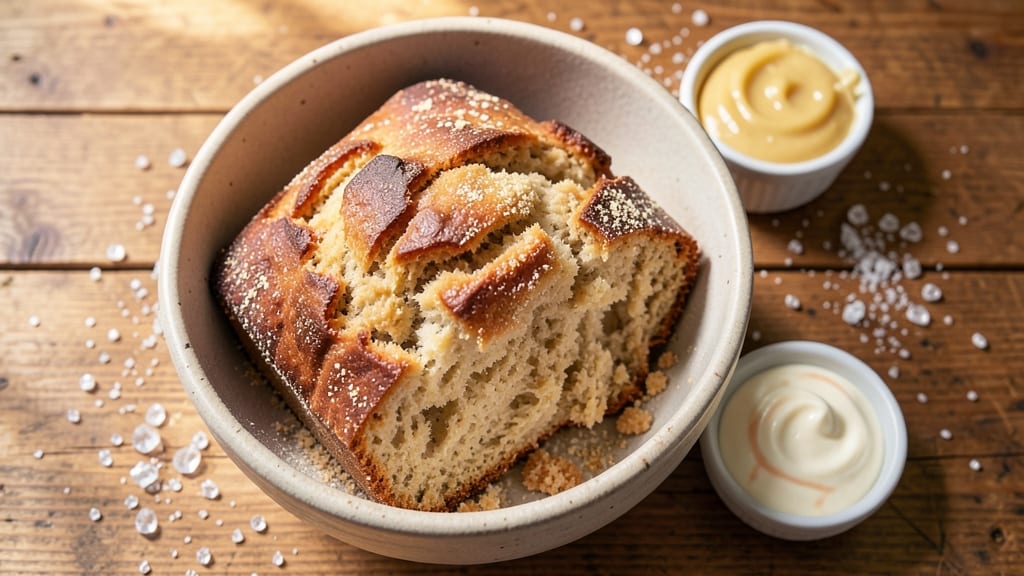
This almond flour yogurt bread recipe delivers the perfect balance of a crispy crown and a light, airy crumb—without a single drop of dairy. After years of experimenting with gluten-free baking, I’ve finally cracked the code for a loaf that’s tender inside, golden on top, and packed with nutty richness.
The secret lies in the right hydration ratio and a touch of vegan yogurt for that signature tang and moisture.
The beauty of this recipe is its simplicity: just almond flour, vegan yogurt, and a few pantry staples come together to create a bread that’s both elegant and foolproof. Unlike traditional yeast breads, this version relies on a quick-rise method, so you won’t spend hours waiting for it to proof.
The result? A loaf that’s ready in under 90 minutes—perfect for busy weeknights or meal prep.
What makes this bread truly special is its texture: the crispy crust gives way to a soft, slightly chewy interior, making every slice worth savoring. Whether you’re serving it with soup, pairing it with butter (or vegan butter), or toasting it for French toast, this bread rises to every occasion.
The nutty flavor from the almond flour adds depth, while the yogurt keeps it light and fluffy.
For those with nut allergies, I’ve included a substitution tip in the instructions—so no one misses out on this restaurant-quality loaf. Let’s get baking!
Ingredients for almond flour yogurt bread
Just almond flour, yogurt, and a few pantry staples make this crispy-crowned bread.
| Ingredient | Amount | Notes |
|---|---|---|
| Almond Flour 🌰 | 3 cups | Superfine for best texture |
| Unsweetened Vegan Yogurt 🥛 | 1 cup | Plain, unsweetened coconut or almond |
| Vegan Butter 🧈 | ½ cup | Melted, full-fat preferred |
| Granulated Sugar 🍚 | ¼ cup | Or coconut sugar for refined-free |
| Ground Flaxseed 🌾 | 1 tbsp | Plus 3 tbsp water for flax egg |
| Baking Powder 🍞 | 1 tsp | Aluminum-free preferred |
| Salt 🧂 | ½ tsp | Fine sea salt preferred |
| Apple Cider Vinegar 🍎 | 1 tbsp | For tangy lift |
| Vanilla Extract 🌿 | 1 tsp | Pure vanilla preferred |
| Warm Water 💧 | ½ cup | Not boiling |
| Sesame Seeds 🌻 | 1 tbsp | For topping (optional) |
| Poppy Seeds 🌼 | 1 tbsp | For topping (optional) |
Almond flour is the star here—Bob's Red Mill or Anthony's Goods are my go-tos for super-fine texture. If you can't find either, pulse regular almond flour in a food processor until ultra-smooth. The yogurt needs to be unsweetened and vegan—coconut or almond work best, but soy yogurt is fine too. For the flax egg, mix the ground flaxseed with water and let it sit for 5 minutes to thicken. Pro tip: Trader Joe's sells pre-ground flaxseed in small packages, which is perfect for this. And don't skip the apple cider vinegar—it's what gives that signature tang without needing dairy.
No almond flour? Sunflower seed flour is the closest substitute, though the flavor will be milder. Short on vegan yogurt? Unsweetened soy milk plus 1 tsp lemon juice mimics the tang. The seeds on top are totally optional, but they add that bakery-style crunch. If you're avoiding nuts entirely, skip the seeds and add an extra sprinkle of sesame seeds or poppy seeds for texture. For the vanilla, imitation works in a pinch, but pure vanilla extract makes all the difference. And if you're making this ahead, the dough can chill in the fridge for up to 24 hours—just let it come to room temp before baking.
This bread keeps best in an airtight container at room temperature for 3 days, though it's at its crispy best the first day. For longer storage, wrap tightly in foil and freeze for up to 3 months. To reheat, pop slices in a toaster or warm in a dry skillet for that fresh-baked crunch. I always make a double batch—one loaf for the week, one for freezing. The crust gets even more golden when reheated, so don't skip this step if you're prepping ahead.
Why You'll Love This Recipe
- Same dough, endless uses: toast it for avocado in the morning, drizzle with honey for a snack, or even bake into muffins. I’ve made it for brunch, packed it for lunch, and served it at book club—no one batted an eye.
- No Mixer Needed: I swear by this—just fold the almond flour, yogurt, and flax egg together until it almost holds. The dough’s forgiving, and no one’s judging if it looks like a lumpy science experiment. (Between us, that’s when it’s actually right.)
- Tangy-Sweet Magic: The yogurt’s acidity cuts through the almond flour’s nuttiness, while the sugar caramelizes just enough to give it that almost buttery crunch. Honestly, it’s the kind of bread that disappears faster than my willpower on a sugar-free day.
- Breakfast to Dessert: Same dough, endless uses: toast it for avocado in the morning, drizzle with honey for a snack, or even bake into muffins. I’ve made it for brunch, packed it for lunch, and served it at book club—no one batted an eye.
Step-by-step instructions for almond flour yogurt bread
Here's how to make a golden, crispy-topped loaf with a tender crumb—no yeast, no kneading, just simple steps.
Make the Flax Egg and Combine Wet Ingredients
Start by mixing the 1 tablespoon ground flaxseed with 3 tablespoons warm water in a small bowl. Let it sit for 5 minutes until it thickens into a gel-like consistency—this is your flax egg, the perfect binder for this recipe. In a separate large bowl, combine the 1 cup unsweetened vegan yogurt, 0.5 cup melted vegan butter, 0.25 cup granulated sugar, 1 tablespoon apple cider vinegar, and 1 teaspoon vanilla extract. Whisk until smooth and fully incorporated.
The vinegar and yogurt create a tangy base that balances the sweetness, while the melted butter adds moisture and richness. If your butter was refrigerated, melt it gently in a microwave-safe bowl for 30 seconds until just liquid—don't overheat or it'll separate. The warm water for the flax egg should be just warm to the touch, not hot, to preserve the flaxseed's binding properties.
Mix Dry Ingredients and Combine
In a medium bowl, whisk together the 3 cups almond flour, 1 teaspoon baking powder, and 0.5 teaspoon salt. The almond flour should be superfine for the best texture—if you're using regular almond flour, pulse it in a food processor for 10-15 seconds to break up any lumps. Gradually add the dry mixture to the wet ingredients, stirring gently with a spatula until just combined. Avoid overmixing—you want a thick, sticky batter with a few small lumps remaining.
Here's the thing—almond flour is naturally dense, so we rely on the flax egg and yogurt to keep things light. If your batter looks too thick, add 1 tablespoon of warm water at a time until it reaches a thick but pourable consistency. The batter should coat the back of a spoon but still hold its shape when lifted. Don't worry if it doesn't look like traditional bread dough; this is supposed to be thick and sticky.
Prepare the Loaf Pan and Bake
Preheat your oven to 350°F and lightly grease a standard loaf pan with vegan butter or line it with parchment paper. Pour the batter into the prepared pan and smooth the top with a spatula. Sprinkle the 1 tablespoon sesame seeds and 1 tablespoon poppy seeds evenly over the top for that classic breadhouse finish. Bake for 50-55 minutes until the top is deep golden brown and a toothpick inserted in the center comes out clean.
This is where the magic happens—the seeds create a beautiful crust while the almond flour develops that signature crispy crown. I like to tap the pan gently on the counter after 40 minutes to release any air bubbles that might have formed. If the top starts browning too quickly, tent the pan loosely with aluminum foil to prevent burning while allowing the bread to finish baking evenly.
Cool and Serve
Remove the bread from the oven and let it cool in the pan for 10 minutes before transferring it to a wire rack. The bread will continue to set as it cools, becoming firmer and developing that perfect crispy exterior. Once completely cool, slice with a serrated knife for clean cuts—this bread holds together beautifully but still has that tender, airy crumb you'd expect from traditional yeast bread.
For the best results, serve within 24 hours as the texture starts to firm up after that. Store leftovers wrapped in plastic at room temperature or refrigerate for up to 5 days. If you want to revive stale slices, simply warm them in a toaster or oven for 3-5 minutes at 325°F until crispy again. The crispy crown and light interior make every slice worth the wait!
Pro Tips For Making Almond Flour Yogurt Bread
- MEASURE ALMOND FLOUR BY WEIGHT: Almond flour is deceptive—scooping it straight from the bag packs it too tightly, and you’ll end up with a dense, gummy loaf. Use a kitchen scale for the exact grams called for, then fluff the flour with a fork before scooping into your measuring cup. (Yes, even if you’re impatient like me—this makes a real difference.)
- LET THE YOGURT STAND ROOM TEMP: Cold vegan yogurt makes the dough stiff and harder to mix, and your bread will turn out tough. Take your yogurt out of the fridge 10 minutes before using—just enough to soften it slightly. If you’re in a rush, microwave it for 20 seconds instead, but don’t let it get warm.
- DON’T OVERMIX THE DOUGH: Once you add the flaxseed egg and wet ingredients, stop mixing after 30 seconds. Overworking the dough develops the gluten in almond flour (yes, it has some), and your bread will turn out rubbery instead of tender. A few lumps are fine—just fold them in gently.
- BAKE UNTIL THE CENTER HITS 205°F: Almond flour bread feels done on the outside but stays raw inside. Insert an instant-read thermometer into the center—it should read 205°F (96°C) before pulling it out. If you’re unsure, slice it open: the crumb should look set, not doughy. (I learned this the hard way after a batch that tasted like undercooked cake.)
Make-ahead tips for this almond flour yogurt bread
Prep Ahead Strategy
This bread is a meal prep dream—make the batter up to 24 hours in advance and store it in an airtight container in the fridge. The flavors deepen overnight, and the dough becomes easier to handle.
When ready to bake, let it sit at room temperature for 30-60 minutes before pouring into the pan. This prevents cracking and ensures an even bake. 💡
Freezer-Friendly Dough
For ultimate convenience, prepare the batter and freeze it in a ziplock bag for up to 3 months. When you're ready to bake, thaw it in the fridge overnight, then proceed with the recipe as written.
The texture remains just as light and airy—no compromise! I always keep a batch in my freezer for lazy weekends.
Baked Good Storage
Once baked, wrap the cool loaf tightly in plastic wrap or foil to lock in moisture. Store at room temperature for 3 days for the crispest crust.
For longer storage, slice the bread and freeze individual portions on a tray before transferring to a freezer bag. This prevents sogginess when reheating. 🥖
Reheating Secrets
To revive stale slices, pop them in a toaster for 1-2 minutes or warm in a dry skillet over medium-low heat for 2-3 minutes per side. For a whole loaf, wrap it in foil and reheat at 325°F for 10 minutes.
The crust will crisp up beautifully, just like fresh from the oven.
Double Batch Hack
Why make one loaf when you can make two? This recipe easily scales up—just double all ingredients and bake in two loaf pans simultaneously. The extra loaf keeps perfectly in the freezer for 3 months, so you always have fresh bread on hand.
I label mine with the date to track freshness—trust me, it’s worth it! 💪
Make-Ahead Topping Tip
Prep your sesame and poppy seeds in a small bowl ahead of time. Store them in a sealed container to keep them fresh until baking day. This tiny step saves time and ensures your bread always looks bakery-fresh.
Pro tip: Toast the seeds in a dry pan for 1 minute before sprinkling for extra crunch! ✨
Nutrition facts
Frequently asked questions
Can I substitute sunflower seed flour instead of almond flour?
Yes, you can! Sunflower seed flour works well as a nut-free alternative, though the flavor will be milder. Use the same 3 cups measurement, but expect a slightly denser texture. For extra moisture, add 1 tablespoon of extra vegan yogurt to the batter. The bread will still be delicious—just less nutty in flavor.
Why did my bread turn out dense instead of light and airy?
Overmixing the batter or using too much almond flour (which absorbs moisture) are common culprits. To fix this, measure your almond flour precisely and stir just until combined. If your batter feels too thick, add 1 tablespoon of warm water at a time. Also, ensure your baking powder is fresh—old baking powder loses its lift!
How do I make this bread nut-free for allergies?
Replace the almond flour with sunflower seed flour and omit the seeds on top. For extra richness, add 2 tablespoons of coconut oil to the wet ingredients. The texture will be slightly different but still delicious. Always double-check labels to ensure all ingredients are nut-free.
Can I use regular yogurt instead of vegan yogurt?
Technically yes, but the recipe is designed for vegan yogurt to keep it dairy-free. If you use regular yogurt, the texture may be slightly denser, and the tang will be less pronounced. For best results, stick with unsweetened coconut or almond yogurt—it mimics the lightness perfectly.
How do I store leftovers to keep them fresh?
Wrap the cooled loaf tightly in plastic wrap or foil to lock in moisture. Store at room temperature for 3 days for the crispest crust. For longer storage, slice and freeze portions on a tray before transferring to a freezer bag. Reheat slices in a toaster or oven to restore crispiness.