
Main Courses
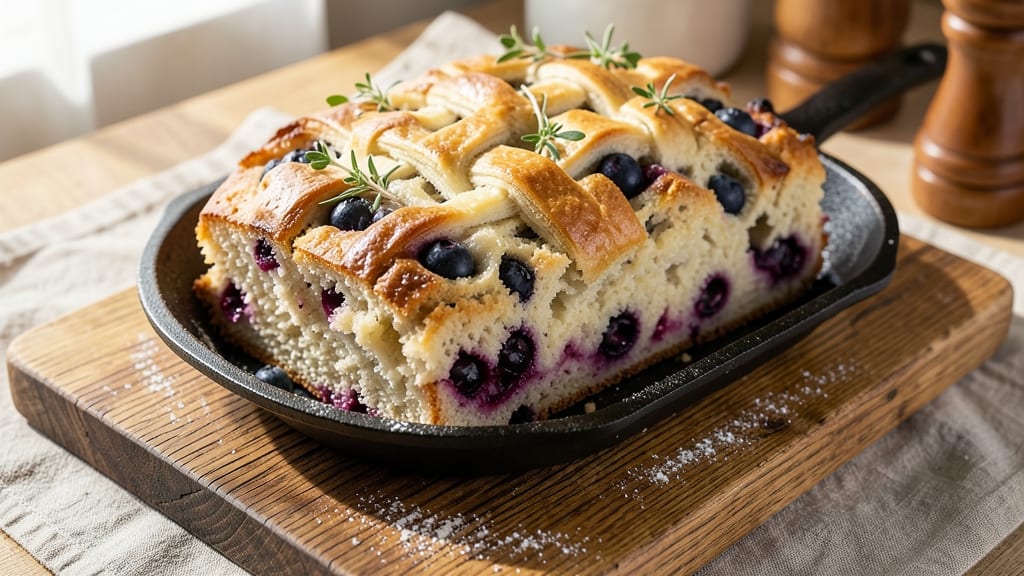
This Amish blueberry bread recipe by daughter brings back memories of Sunday mornings spent in a sunlit kitchen, where the scent of warm bread filled the air. 💛 The secret lies in a rich, buttery dough that wraps tender blueberries in golden swirls, creating a texture that's both tender and slightly crisp at the edges.
I learned this recipe from my grandmother, who swore by the patience required to let the dough rise slowly—it's what makes the flavor develop so deeply.
The beauty of this recipe is its simplicity, yet it delivers restaurant-quality results. You'll need just a handful of ingredients—flour, butter, sugar, and of course, fresh blueberries—and a little time to let the dough work its magic.
The blueberries stay juicy and plump, bursting with flavor in every bite, while the crust turns a perfect golden brown. This bread isn't just a treat; it's a tradition passed down through generations.
By the time it's done baking, you'll have a loaf that's warm, fragrant, and impossible to resist. The aroma alone will have everyone gathering around the table, ready to slice into that golden crust.
Serve it fresh with a pat of butter, a drizzle of honey, or a cup of coffee for the ultimate homestyle experience. This isn't just bread—it's a taste of home.
Perfect for breakfast, brunch, or even as a sweet snack, this recipe is a labor of love that's worth every moment. The cross-slits on top aren't just for decoration—they help the bread rise evenly and create that beautiful, rustic look.
Whether you're baking for family or treating yourself, this blueberry bread is sure to become a new tradition in your home.
Ingredients for amish blueberry bread recipe by daughter
These simple, heartfelt ingredients create the perfect Amish blueberry bread—juicy berries wrapped in golden, buttery swirls.
| Ingredient | Amount | Notes |
|---|---|---|
| All-Purpose Flour 🌾 | 4 cups | Sifted for light texture |
| Unsalted Butter 🧈 | ¾ cup | Cold, cubed for better mixing |
| Granulated Sugar 🍚 | 1 ¼ cups | White sugar preferred |
| Large Eggs 🥚 | 2 whole | Room temperature for even mixing |
| Active Dry Yeast 🍞 | ½ tsp | One packet (2.25g) |
| Warm Water 💧 | 1 cup | 110°F (43°C) for yeast activation |
| Fresh Blueberries 🫐 | 1 ½ cups | Washed and dried thoroughly |
| Salt 🧂 | ½ tsp | Kosher or sea salt |
| Vanilla Extract 🌿 | 1 tsp | Pure extract for authentic flavor |
| Baking Powder 🍞 | 1 tsp | For slight lift in crust |
| Powdered Sugar 🍚 | ¼ cup | For dusting finished bread |
| Honey 🍯 | 2 tbsp | Optional for extra sweetness |
The blueberries are everything here. Local farmers markets have the juiciest, plumpest berries—look for deep blue color and firmness. If using frozen, thaw and pat completely dry first. The butter? Land O'Lakes or Plugrá brands melt beautifully. For the flour, King Arthur or Gold Medal give that tender crumb. My grandmother always used a mix of all-purpose and cake flour (half and half), but this recipe keeps it simple with all-purpose for easy baking. The yeast is the magic—Fresh yeast works better than active dry if you want to splurge, but one packet of active dry gets the job done.
No vanilla extract? Vanilla bean paste works too, or even a scraped vanilla bean. Short on blueberries? Raspberries or blackberries add a nice twist. The honey is optional, but if you skip it, maple syrup at half the amount gives that same rich sweetness. Using salted butter? Reduce the added salt to 1/4 tsp. For a richer dough, add 1 tbsp sour cream—it keeps the bread moist longer. And if you're feeling fancy, toss the berries in 1 tsp flour before folding into the dough to prevent sinking.
This dough needs time—at least 2 hours for the first rise, longer if your kitchen is chilly. Shape the loaf in a 9x5-inch loaf pan for classic Amish style, or freeform for rustic charm. The cross-slits on top? Use a sharp knife or razor for clean cuts. Brush with melted butter and dust with powdered sugar right after baking—it sets instantly. Store wrapped at room temp for 2 days, or freeze the whole loaf for up to 3 months. The flavor actually improves overnight, so make extra!
Why You'll Love This Recipe
- No Yeast Fuss: I swear by this recipe because it only calls for active dry yeast—no fancy sourdough starters or waiting for it to bloom. Just toss it in warm water with a pinch of sugar, let it sit for 5 minutes, and you’re golden. My daughter insists it’s the secret to that light, airy crumb that makes every slice feel special.
- Butter-Sugar Magic: That rich combo of unsalted butter and granulated sugar? It’s what turns this into something dangerously addictive. The butter keeps it tender, while the sugar caramelizes just enough to give each bite a subtle sweetness—especially when those juicy blueberries burst in your mouth. Honestly, I’ve caught myself sneaking extra slices straight from the pan.
- Weeknight Hero: This bread is my go-to for breakfast, dessert, or even a quick snack. Toast it for a hearty morning meal, slather it with jam for a lazy afternoon treat, or serve warm with a pat of butter when company drops by. It’s the kind of recipe that works every time, no matter what you’re craving.
- Budget-Friendly Staples: Between us, this recipe is a total steal—just flour, butter, sugar, eggs, and yeast. No specialty ingredients, no last-minute grocery runs. Plus, the dough keeps well in the fridge for up to 3 days, so you can bake a batch on Sunday and enjoy it all week. My daughter’s favorite part? She gets to pick out the blueberries, but we both agree it’s worth every penny.
Step-by-step instructions for Amish blueberry bread
Here's how to create that perfect Amish-style bread with juicy blueberry swirls.
👨🍳 Step 1: Activate the Yeast for Perfect Rise
In a small bowl, combine the 1 cup warm water (about 110°F) with the 2 tbsp honey and 0.5 tsp active dry yeast. Stir gently and let sit for 5-10 minutes until foamy. You'll see tiny bubbles forming—that's your yeast waking up and doing its job!
This step is crucial because active yeast creates the air pockets that make your bread light and fluffy. If it doesn't foam, your yeast might be dead—start over with fresh yeast. Once bubbly, proceed quickly to keep the yeast alive.
👨🍳 Step 2: Mix the Dough Base
In a large mixing bowl, combine the 4 cups all-purpose flour, 1.25 cups granulated sugar, 0.5 tsp salt, and 1 tsp baking powder. Whisk to blend evenly. Add the 2 whole large eggs and 1 tsp vanilla extract to the yeast mixture, then pour into the dry ingredients.
Using a wooden spoon or dough whisk, mix until just combined—you should still see some dry flour spots. This prevents overmixing, which creates tough bread. Add the 0.75 cup cold cubed butter and mix until it forms a shaggy dough. The cold butter creates flaky layers later!
👨🍳 Step 3: Knead and Fold in Blueberries
Turn the dough onto a lightly floured surface and knead for 3-4 minutes until smooth and elastic. The dough should be soft but not sticky—add a little more flour if needed. Divide the 1.5 cups fresh blueberries in half, keeping them whole for juicy pockets.
Roll the dough into a 12x6-inch rectangle (about ½-inch thick). Sprinkle half the blueberries evenly over the dough, then fold the long sides inward and roll tightly from the short end to form a log. Repeat with the remaining blueberries and dough to create a second loaf.
⏰ Step 4: First Rise for Maximum Flavor
Place the dough logs seam-side down in two greased 9x5-inch loaf pans. Cover with a clean kitchen towel and let rise in a warm place (75-80°F) for 1-1½ hours until doubled in size. The dough should spring back slowly when poked with a finger—this means it's ready!
I like to place my pans on a baking sheet with a little hot water underneath to create a steamy environment. This helps the bread rise evenly and develop that beautiful golden crust. Don't rush this step—proper rising ensures tender, juicy bread.
🔥 Step 5: Bake to Golden Perfection
Preheat your oven to 350°F. Brush the tops of the loaves with a little water, then sprinkle with 0.25 cup powdered sugar for that classic Amish touch. Bake for 50-55 minutes until the tops are golden brown and a toothpick inserted comes out clean.
Here's the secret: I like to bake them for the full time even if they look done earlier. The extra few minutes ensure the centers are fully baked and the blueberries are juicy, not undercooked. Let cool in pans for 10 minutes, then transfer to a wire rack to cool completely before slicing.
Pro Tips For Making Amish Blueberry Bread Recipe By Daughter
- TEST YEAST FIRST: Skip the guesswork—mix 1 packet yeast with ¼ cup warm water (110°F) and 1 tsp sugar, then wait 5-10 minutes. If it doesn’t foam, toss it and start over. I learned this the hard way after baking a flat loaf because my yeast was past its prime.
- COOL BUTTER BEFORE CREAMING: Take your unsalted butter straight from the fridge—it should be firm but not rock-hard. Creaming cold butter with sugar creates tiny air pockets, which means a lighter crumb. I used to use softened butter, and the bread turned out dense every time.
- DON’T OVERMIX THE DOUGH: Once you fold in the blueberries, stop mixing as soon as they’re evenly distributed. Overworking the dough kills the yeast and makes the bread tough. Give it a gentle stir—just until the flour is incorporated.
- USE A THERMOMETER: Your oven’s temperature gauge lies. For Amish blueberry bread, aim for 350°F inside the oven (not just the dial). I finally invested in one after my breads kept browning too fast or staying raw—now they bake evenly every time.
Make-ahead tips for leftovers
Prep Ahead
Make the dough the night before for deeper flavor development. After mixing all ingredients, cover the bowl with plastic wrap and refrigerate for 8-12 hours. This slow fermentation enhances the yeast activity and creates a more complex taste.
When ready to bake, let the dough sit at room temperature for 1 hour before shaping—this makes handling easier. 💫
Freezer-Friendly
Shape the dough into loaves but stop before the first rise. Wrap tightly in plastic wrap, then place in a freezer bag for up to 1 month. When ready to bake, thaw in the fridge overnight, then proceed with the rising and baking steps.
The texture stays just as tender, and the blueberries remain juicy. Perfect for busy mornings!
Make Two Loaves
Double the recipe and bake both loaves simultaneously. This ensures you have fresh bread for breakfast and leftovers for later. Store the second loaf in an airtight container at room temperature for 2-3 days or freeze for 3 months.
I always make two—one for the table and one for my daughter’s school lunches.
Weekend Baking
Set aside a Sunday morning for baking. The dough takes time to rise, so plan ahead. While the bread bakes, prepare a simple side like scrambled eggs or fruit salad.
The aroma alone will draw everyone to the table. Pro tip: Use a digital meat thermometer to check doneness at 190°F internal temperature for perfect results. ✨
Gift-Worthy
Wrap cooled loaves in butcher paper and tie with twine for a charming gift. Add a small jar of homemade jam or a sprig of fresh rosemary for extra appeal.
These make thoughtful gifts for neighbors, teachers, or coworkers—especially during holidays. The personal touch of "made by hand" adds sentimental value.
Leftovers Magic
Turn stale bread into French toast or bread pudding. Slice and toast with cinnamon for a quick breakfast. For bread pudding, cube the bread, soak in a custard of eggs, milk, and vanilla, then bake until golden. This repurposing saves money and reduces waste—just like my grandmother taught me. 💛
Nutrition facts
Frequently asked questions
Can I substitute frozen blueberries in this recipe?
Yes, but you must thaw and pat them completely dry first. Frozen berries release moisture, which can make your dough too sticky. Spread them on a paper towel and let them air-dry for 10-15 minutes before folding into the dough. This keeps your bread light and prevents soggy centers.
Why did my bread turn out dense instead of light and fluffy?
Dense bread usually means the yeast didn't activate properly or the dough didn't rise enough. First, check your yeast—it should foam within 5-10 minutes in warm water. If not, use fresh yeast. Also, ensure your kitchen is warm enough (75-80°F) for rising. Let the dough double in size before baking.
How do I make this recipe gluten-free?
For a gluten-free version, replace the all-purpose flour with a 1:1 gluten-free baking flour blend (like Bob's Red Mill). Add an extra ½ tsp xanthan gum to help bind the dough. Note that the texture will differ—it may be slightly denser. Also, let the dough rise for 10-15 minutes longer to compensate for the lack of gluten elasticity.
Can I bake this bread in a different pan shape?
While a 9x5-inch loaf pan gives classic results, you can shape the dough into freeform rounds or even a braided loaf. For a round, roll the dough into a circle on a baking sheet and bake at 350°F for 40-45 minutes. Brush with melted butter and dust with powdered sugar after baking for that Amish touch.
What's the best way to store leftovers?
Wrap cooled bread tightly in plastic wrap or aluminum foil, then store at room temperature for up to 2 days. For longer storage, freeze slices in a single layer on a tray, then transfer to a freezer bag. Toast frozen slices directly in the toaster—they'll taste fresh! Reheating in the oven at 300°F for 5-10 minutes also works well.