
Side Dishes
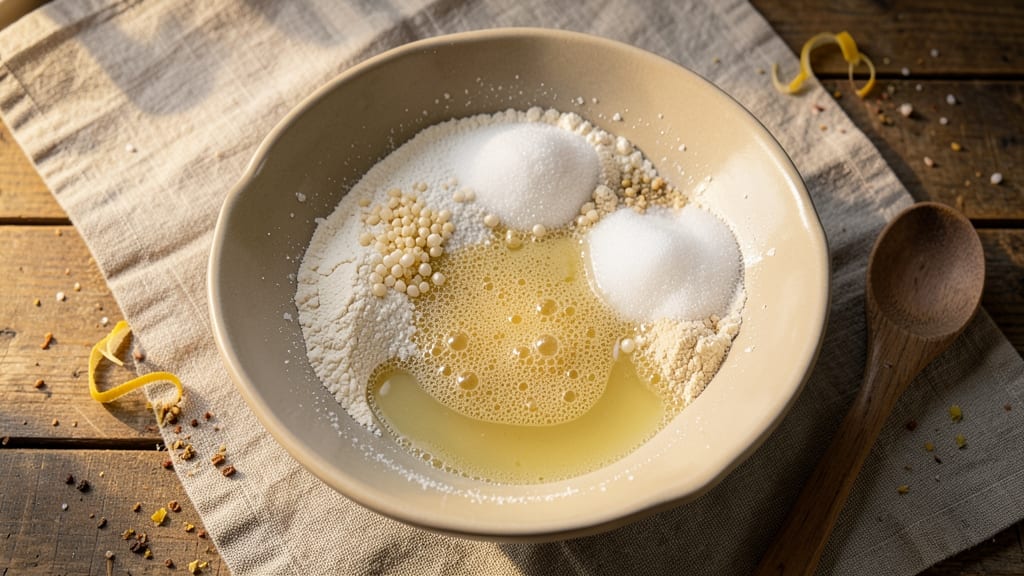
This artisan baguette bread recipe delivers the perfect balance of crispy crust and airy crumb—just like Parisian bakeries. The secret lies in precise dough hydration, gentle kneading, and high-heat baking with steam.
I’ve perfected this technique after years of trial and error, ensuring every loaf turns out with that signature crackly exterior and tender interior.
Traditional methods are key here: using high-protein bread flour, a long fermentation, and baking in a Dutch oven to trap steam. This creates the ideal environment for that coveted crusty exterior while keeping the crumb light and open.
The shaping technique—forming a long, tapered loaf—is just as important as the baking process itself.
What you’ll end up with is a golden, crackling baguette that’s crisp enough to stand up to soups and stews while remaining soft enough to tear into with your hands.
The aroma alone will transform your kitchen into a Parisian café. This recipe is designed to be your go-to for homemade bread that rivals anything you’d find in a bakery.
Perfect for serving with butter, charcuterie, or alongside soups, this baguette is versatile enough for any meal. Once you master this technique, you’ll never buy store-bought bread again. Let’s get started on creating your perfect loaf.
Ingredients for artisan baguette bread
Four cups flour, two yeast packets, and a splash of olive oil—your Parisian bakery starts here.
| Ingredient | Amount | Notes |
|---|---|---|
| High-Protein Bread Flour 🌾 | 4 cups | 13% protein minimum for structure |
| Active Dry Yeast 🍞 | ¼ oz | Or 2.25 tsp (1 packet) |
| Granulated Sugar 🍚 | ½ tsp | Feeds yeast for activation |
| Instant Yeast 🍞 | ¼ tsp | For direct dough mixing |
| Sea Salt 🧂 | 2 tsp | Diamond Crystal preferred |
| Water 💧 | 1 ½ cups | Lukewarm (105°F) |
| Olive Oil 🫒 | 1 tbsp | Extra-virgin for richness |
| Ice Cubes ❄️ | 1 cup | For dough temperature control |
| Cornmeal 🌽 | ¼ cup | For dusting work surface |
| Semolina Flour 🌾 | ½ cup | For dusting shaped loaf |
| Butter 🧈 | 2 tbsp | Unsalted, softened for scoring |
The flour is everything. King Arthur or Caputo bread flour give that perfect chewy crumb, but any high-protein (13%+) will work. Bob's Red Mill is my go-to for the grocery store—just don't substitute all-purpose. The yeast needs love: proof it in warm water with sugar for 5-10 minutes until bubbly. King Arthur makes a great instant yeast blend if you're short on time. And for the love of baguettes, use Diamond Crystal salt—it dissolves better than table salt. The olive oil adds richness without overpowering the dough's natural flavor.
No instant yeast? Active dry yeast works too—just dissolve it first. Short on semolina? All-purpose flour works in a pinch, but semolina gives that gorgeous crust. The ice cubes might seem odd, but they're crucial for keeping the dough cool during mixing—prevents over-developing the gluten too fast. King Arthur's has a great video on proper dough temperature if you're unsure. And if you're scoring the loaf, a razor blade is ideal, but a sharp knife works too. Just make sure it's clean—you don't want flour gunk in your cuts.
This dough keeps for 24 hours in the fridge, covered—perfect for shaping the next day. For longer storage, freeze shaped loaves (unbaked) for up to 3 months. Once baked, store wrapped at room temp for 2 days or freeze for 1 week. The crust stays crispy for days if you reheat slices in a 350°F oven for 5 minutes. Pro tip: Toast stale baguettes—they make amazing croutons.
Why You'll Love This Recipe
- No-Knead Magic: Honestly, the high-protein flour does most of the work for you—just mix, rest, and shape. I swear, my dough never sticks, and the instant yeast cuts the wait time in half compared to traditional methods.
- Crust That Cracks: That crispy shell with a pillowy center? It’s all thanks to the sea salt and sugar combo—simple, but it transforms this into something restaurant-worthy. (Yes, even on a Tuesday night.)
- Weeknight Swiss Army Knife: Toss it in a picnic, use it for sandwiches, or freeze slices for toast later. The high-protein flour keeps it fresh longer than store-bought, and I’ve never had leftovers last more than a day.
- Budget Baguette Boost: A bag of flour and a pinch of yeast stretch further than you’d think. I make two loaves for the price of one at the bakery, and they taste like I spent hours on them. (Spoiler: I didn’t.)
Step-by-step instructions for artisan baguette bread
Here's how to craft a perfect baguette with that signature crispy crust and airy interior.
Activate the Yeast with Sugar and Water
In a medium bowl, combine the 1.5 cups lukewarm water (105°F) with the 0.5 tsp granulated sugar and 0.25 oz active dry yeast. Stir gently and let sit for 5-10 minutes until frothy—you should see bubbles forming on the surface and a yeasty aroma. This activation ensures your dough will rise properly later.
If the mixture doesn't bubble after 10 minutes, your yeast may be inactive. Discard and start fresh with a new packet. The yeast is the lifeblood of your baguette—don't skip this step or risk a dense loaf.
Mix the Dough with High-Protein Flour and Hydration
Add the 4 cups high-protein bread flour and 2 tsp sea salt to the yeast mixture. Stir with a wooden spoon until a shaggy dough forms, then add the 1 tbsp olive oil. Mix until fully incorporated, then cover with a damp towel and let rest for 30 minutes. This initial rest helps the flour absorb the water and gluten begin developing.
After 30 minutes, add the 1 cup ice cubes and 0.25 tsp instant yeast to the dough. The ice will lower the dough's temperature, which helps control fermentation. Knead by hand for 8-10 minutes until the dough is smooth, elastic, and no longer sticky. You'll know it's ready when it springs back slowly when poked.
Bulk Ferment for Optimal Flavor and Structure
Shape the dough into a loose ball, place it in a lightly oiled bowl, and cover with plastic wrap. Let it rise at room temperature (70-75°F) for 1.5-2 hours, or until it has nearly doubled in size. You'll see bubbles forming on the surface and the dough will feel light and airy when pressed gently.
During this time, the yeast ferments the sugars, creating flavor and structure. If your kitchen is cold, the dough may take longer—don't rush it. The goal is to develop gluten and flavor without overproofing, which can lead to a dense crumb.
Shape and Score for the Classic Baguette Look
Turn the dough onto a surface lightly dusted with 0.25 cup cornmeal. Divide it into 4 equal portions (about 1 cup each) and shape each into a 12-inch log, tapering the ends slightly. Roll each log seam-side down on a baking sheet lined with parchment paper, spacing them 2 inches apart. Cover with a damp towel and let rest for 20-30 minutes while you preheat your oven.
Preheat your oven to 475°F with a baking stone or inverted baking sheet on the middle rack. Using a sharp razor blade or lame, score each baguette diagonally 3-4 times—this allows steam to escape and creates those iconic ear-like crusts. Don't press too hard or you'll tear the dough.
Bake for Maximum Crust and Crumb Perfection
Just before baking, place a metal bowl filled with 1 cup hot water on the lower oven rack to create steam. Slide the baguettes onto the preheated baking stone and immediately close the oven door. Bake for 15-20 minutes until the crust is deep golden brown and sounds hollow when tapped on the bottom.
For extra shine, brush the tops with melted butter (using the 2 tbsp softened butter) while still hot. Let the baguettes cool on a wire rack for at least 30 minutes before slicing—this ensures the crumb sets properly. The result? A baguette with a shatteringly crisp crust and an open, airy crumb that's perfect for dipping or sandwiches.
Pro Tips For Making Artisan Baguette Bread
- Hydrate the Flour First: Mix your high-protein bread flour with water before adding yeast—this prevents clumping and makes kneading easier. I used to dump everything in at once, and the dough fought me every step. A quick 5-minute soak with water (about 65% hydration for this recipe) saves your hands and your patience.
- Use Both Yeasts Right: Active dry yeast needs proofing in warm water (110°F, 5 mins) before mixing, while instant yeast can go straight into the flour. I learned this the hard way—skipping the proofing for active dry yeast means sluggish dough. For this recipe, proof the active dry yeast first, then add the instant yeast later to control fermentation timing.
- Skip the Over-Kneading: High-protein flour develops gluten fast—stop kneading when the dough springs back slowly (about 8-10 minutes by hand). Overworking it makes the baguette dense. I used to knead until my arms gave out, and the bread turned out tough. A windowpane test (stretch a piece—if it thins without tearing, you’re good) is your friend.
- Steam the Oven: Place a metal tray on the oven rack before preheating, then add 1 cup boiling water when loading the baguettes. This mimics a bakery’s steam injection and guarantees that shatteringly crisp crust. I tried spraying water—it’s messy and inconsistent. The tray method is foolproof, even if it looks lazy.
Make-ahead tips for artisan baguette bread
Dough Prep Ahead
Mix your dough up to 24 hours in advance and refrigerate it in an airtight container. The cold slows fermentation, giving you more control over the rise time later. When ready to bake, let it sit at room temperature for 1-2 hours until it's ready to shape.
This is perfect for busy schedules—just wake up, shape, and bake in the morning. 💫
Shaped Loaves Storage
Shape your baguettes into logs and store them in the fridge for up to 24 hours before baking. Cover them tightly with plastic wrap to prevent drying. When you're ready to bake, let them sit at room temperature for 30-60 minutes so they can relax and rise slightly before scoring.
This method works especially well for weekend baking plans. ✨
Freezing Pre-Shaped Dough
For longer prep, shape your baguettes and freeze them on a parchment-lined tray for 1 hour to firm up. Then transfer to a freezer bag with parchment between each loaf.
Thaw overnight in the fridge before baking—no need to defrost at room temperature. This is my go-to for meal prep Sundays. ❄️
Baked Baguettes Revival
Store fully baked baguettes in a paper bag at room temperature for 2-3 days to maintain crispiness. For longer storage, freeze slices wrapped in plastic for up to 1 month.
To revive stale baguettes, warm them in a 350°F oven for 5 minutes or toast in a skillet with butter. The best part? You can even freeze unbaked shaped loaves for 3 months—just bake straight from frozen with an extra 5-10 minutes in the oven. 🔥
Batch Baking Tips
Double the recipe and bake two trays at once for parties. Use two baking stones or Dutch ovens if available. If not, bake one tray at a time—just make sure your oven is fully preheated before each batch.
I like to bake one tray in the morning and another in the afternoon for fresh bread all day. The secret is keeping your oven at 475°F consistently between batches. 💡
Nutrition facts
Frequently asked questions
Why does my baguette dough feel too sticky after kneading?
Sticky dough is normal—it means the gluten is developing properly! Use your hands to gently shape the dough rather than flouring excessively, which can weaken the gluten structure. If needed, wet your hands slightly to help handle it. The dough should be smooth and elastic but not dry or crumbly.
Can I make this recipe without a Dutch oven or baking stone?
Place the baguettes on a baking sheet lined with parchment paper and add a metal bowl of boiling water to the oven rack for steam. The crust won't be quite as crispy, but you'll still get great results. For extra crunch, bake on the middle rack for 20-25 minutes instead of 15-20.
What's the best way to test if my dough is ready for shaping?
Perform the "poke test": gently press your finger into the dough. If it springs back slowly (not immediately) and leaves a slight indentation, it's ready. Overproofed dough will feel spongy and leave a deep imprint. For cold climates, bulk fermentation may take 2.5 hours—don't rush it!
How do I fix a baguette that's too dense or not rising properly?
Dense baguettes usually mean underproofed dough or weak gluten. Next time, let the dough rise until it's 50-75% larger (not just doubled) and knead for 10-12 minutes to strengthen the gluten. Also check your yeast—it should be fresh (test by dissolving in warm water with sugar).
Can I make mini baguettes with this recipe?
Yes! Divide the dough into 8 portions instead of 4 and shape into 6-inch logs. Bake at 450°F for 12-15 minutes with steam. They're perfect for appetizers or as sides for soups. Just reduce the scoring to 2 cuts per mini loaf to prevent tearing.