
Side Dishes
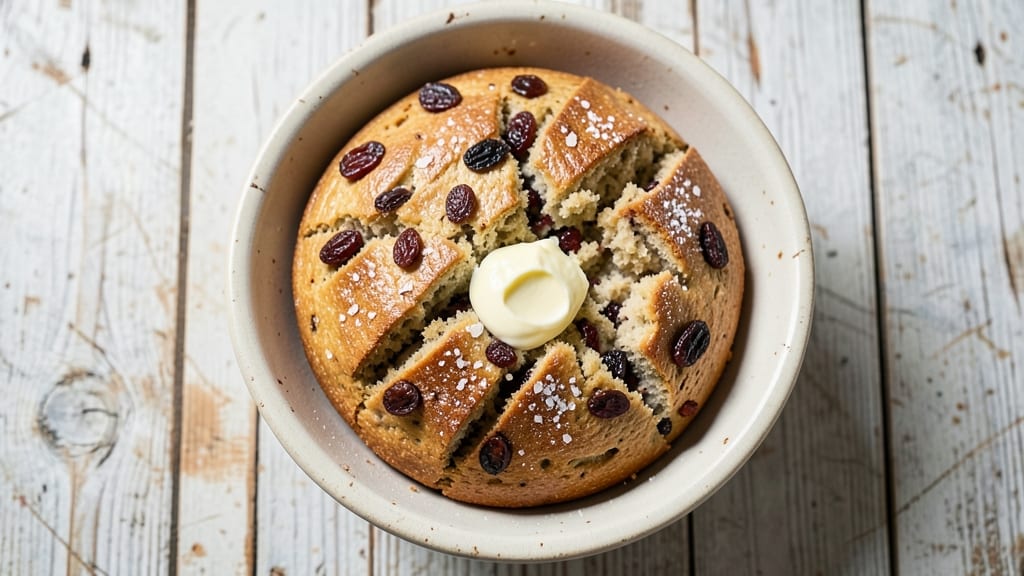
Grandma's Irish soda bread recipe brings the comforting warmth of an Irish cottage kitchen to your table with its signature rustic crust and tender crumb. This classic quick bread relies on buttermilk's natural acidity to create that signature tangy flavor without requiring yeast or lengthy rising times.
I've been baking this version for years, perfecting the balance between crispy crust and moist interior that makes it so irresistible. The recipe's simplicity hides its deep cultural roots as a staple in Irish households for generations.
What makes this soda bread truly special is its foolproof method that delivers professional results with just five basic ingredients. The secret lies in the buttermilk's reaction with baking soda, creating that signature rise and flavor profile.
You'll work with a simple dough that comes together in minutes, then shape it into that iconic round loaf with a cross cut on top—a tradition that ensures even baking and symbolizes protection. The aroma alone as it bakes will transport you straight to an Irish countryside kitchen.
By the time it emerges from the oven, you'll have a loaf with a beautifully crisp exterior and tender, slightly crumbly interior that's perfect for serving warm with butter. This bread is naturally vegetarian and requires no special equipment beyond a mixing bowl and baking sheet.
The recipe's flexibility also makes it ideal for meal prep—it stays fresh for days and even reheats beautifully. Whether you're serving it alongside a hearty stew or enjoying it with jam on breakfast toast, this soda bread delivers authentic Irish comfort.
The beauty of this recipe is how it adapts to your needs while maintaining its traditional character. You can add optional ingredients like raisins or currants for sweetness, or even incorporate grated cheese for a savory variation.
The method remains the same, ensuring you'll always achieve that perfect balance of textures. Let's get started on creating this timeless Irish classic that's as much about tradition as it is about deliciousness.
Ingredients for grandma's irish soda bread
Five simple ingredients—plus optional extras—bring Grandma's rustic Irish charm to your kitchen.
| Ingredient | Amount | Notes |
|---|---|---|
| All-Purpose Flour 🌾 | 4 cups | Unbleached preferred for authentic flavor |
| Buttermilk 🥛 | 1 ½ cups | Fresh, not powdered |
| Baking Soda 🧂 | 1 tsp | Pure, not baking powder |
| Salt 🧂 | ½ tsp | Fine sea salt preferred |
| Unsalted Butter 🧈 | ½ cup | Cold, cubed for texture |
| Raisins 🍇 | ½ cup | Optional, plump variety |
| Currants 🍇 | ½ cup | Optional, dried fruit |
| Milk 🥛 | ¼ cup | For dough consistency |
The flour is non-negotiable here. King Arthur or Bob's Red Mill unbleached all-purpose gives that perfect tender crumb—none of that dense, heavy texture. I grab mine from Whole Foods or the bulk bins at Trader Joe's because the bags are fresher. Buttermilk? Homemade is best—just mix milk with a splash of vinegar or lemon juice and let it sit 5 minutes. Store-bought works in a pinch, but it's not as tangy. The baking soda needs to be pure—no aluminum in it, or your bread will taste metallic. And the salt? Diamond Crystal is my go-to because it's finer and dissolves better than table salt.
No buttermilk? Mix 1.5 cups milk with 1 tbsp vinegar or lemon juice—let it sit 5 minutes. Skip the raisins? Add a pinch of cinnamon or a splash of vanilla for warmth. Currants too expensive? Chopped dates or dried cranberries work just as well. The butter should be cold—roll it into cubes before mixing, or your dough will get too soft. Want a savory twist? Swap the fruit for grated sharp cheddar—just reduce the milk by 2 tbsp to keep the dough manageable. And if you're short on time, pre-mixed soda bread flour (flour + baking soda + salt) saves steps.
This bread keeps beautifully—3 days at room temp wrapped in a towel, or 1 week in the fridge in an airtight bag. For longer storage, freeze slices wrapped in foil for up to 3 months. Reheat in a toaster or oven for 5 minutes to revive that crispy crust. I always bake an extra loaf—toast the leftovers for breakfast or crumble over soups. The smell alone as it bakes? Worth every minute.
Why You'll Love This Recipe
- No Mixer Needed: I swear by this recipe because it’s truly hands-off. Just toss the flour, buttermilk, and baking soda together—no kneading, no fuss. The butter gets cut in until it’s crumbly, then you fold it all together like you’re making a quick hug for your dough. Honestly, I’ve made it while chatting on the phone.
- Tangy Crust, Soft Core: That buttermilk punch? It’s the star. The crust gets just crisp enough to hold its shape, while the inside stays tender—like a warm, slightly crumbly cloud. I’ll be real: the first time I bit into it fresh out of the oven, I nearly burned my tongue from how good it was.
- Breakfast to Tea Time: This bread is my go-to for lazy mornings (toast it with butter) or as a side for dinner (sliced and buttered). Between us, it’s also the perfect vessel for jam when I’m feeling fancy. It keeps well for days, so I often bake a loaf on Sundays and watch it disappear through the week.
- Pantry Staple Magic: Four ingredients, minimal effort, and it costs next to nothing. The baking soda does all the work—no yeast, no waiting. I’ve fed a crowd with one batch, and it’s the only bread I trust to not go stale in three days. Plus, if I burn a loaf, no one notices because it’s still delicious.
Step-by-step instructions for Grandma's Irish soda bread
Here's how to craft this classic loaf with a crisp crust and tender crumb—just like Grandma used to make.
Mix the Dry Ingredients
In a large bowl, combine the 4 cups all-purpose flour, 1 teaspoon baking soda, and ½ teaspoon salt. I like to whisk these together first so they're evenly distributed before adding the wet ingredients. This prevents any bitter pockets of baking soda or uneven saltiness in your bread.
Next, fold in the ½ cup raisins and ½ cup currants using your fingers or a fork. You want them scattered throughout the dough but not mashed—just enough to break up any large clumps. If you're feeling fancy, you could toast these dried fruits first in a dry pan for about 2 minutes to bring out their natural sweetness, but it's totally optional.
Cut in the Cold Butter
Add the ½ cup cold, cubed unsalted butter to the dry mixture. Using a pastry cutter or two forks, work the butter into the flour until you have pea-sized crumbs with some larger butter pieces remaining. This cold butter method creates those signature flaky pockets in the finished loaf.
Don't overwork the mixture here—just until the butter is mostly incorporated. If you see larger butter chunks, that's actually good. They'll melt during baking and create those beautiful pockets of air. I usually work this for about 1-2 minutes with my fingers until it looks like coarse cornmeal with some butter bits still visible.
Add the Buttermilk and Milk
Make a well in the center of your dry mixture and pour in the 1½ cups buttermilk and ¼ cup milk. Using a wooden spoon or your hands, gently mix until just combined. You'll want to be careful not to overmix—stop as soon as the dough comes together. The buttermilk will make the dough slightly sticky, but that's normal and actually what we want for that classic soda bread texture.
At this point, the dough should be shaggy and hold together when pressed. If it's too dry, add a splash more milk. If it's too sticky, sprinkle in a little more flour. The goal is a soft, slightly tacky dough that's easy to handle but not wet. Don't worry if it doesn't look perfectly smooth—rustic is the name of the game here.
Shape and Let Rest
Turn the dough out onto a lightly floured surface and gently shape it into a round loaf about 7-8 inches in diameter. I like to use my hands to form it, pressing down lightly to create a slightly domed top. This shape helps create that beautiful crusty exterior while keeping the interior tender.
Place the shaped loaf on a parchment-lined baking sheet or directly on your stovetop if you're using the traditional method. Let it rest uncovered for 20-30 minutes while you preheat your oven to 425°F. This resting period allows the gluten to relax slightly, which helps prevent cracking during baking.
Bake to Golden Perfection
Preheat your oven to 425°F while the dough rests. Once preheated, bake the loaf for 35-40 minutes until it's deep golden brown on top and sounds hollow when tapped on the bottom. The classic way to test doneness is to tap the bottom—it should sound hollow and firm, not dull.
I like to bake this on the middle rack for even heat distribution. If your oven runs hot, you might need to reduce the temperature to 400°F after the first 15 minutes to prevent over-browning. The bread is done when the internal temperature reaches 190-200°F and the crust is a beautiful golden brown color with some darker spots.
Cool and Serve
Remove the bread from the oven and let it cool on a wire rack for at least 15 minutes before slicing. This resting period is crucial—it allows the steam inside to redistribute, preventing a gummy texture. I know it's tempting to cut into it immediately, but trust me, waiting makes all the difference.
Once cooled, slice the bread and serve it warm with plenty of Irish butter or your favorite jam. The crust should be crisp and slightly crispy, while the interior remains tender and slightly crumbly. Store any leftovers wrapped in a clean kitchen towel to keep them fresh for up to 3 days, or freeze for longer storage.
Pro Tips For Making Grandma'S Irish Soda Bread
- STIR JUST UNTIL COMBINED: Mixing soda bread dough feels like a race against time, but overworking it turns it into cake. After adding the buttermilk, stir with a wooden spoon until the flour is mostly incorporated—lumps are fine, but don’t chase the last bit into submission. The dough should hold together when pressed, not stick to your fingers like wet sand.
- SALT THE BUTTERMILK: I used to sprinkle salt directly into the dry ingredients, but that leads to uneven flavor. Instead, dissolve the salt in the buttermilk first—this guarantees every bite gets that crisp, tangy kick. (Yes, even if you’re using unsalted butter, which needs extra attention.)
- DON’T OVERBAKE THE CENTER: Irish soda bread is supposed to have a soft, slightly dense middle—like a hug in bread form. Check doneness at 350°F (175°C) after 40 minutes; it’s done when the crust is deep golden and the internal temp hits 190°F (88°C). If you wait for the center to spring back completely, you’ll end up with a dry, crumbly loaf.
- CUT THE BUTTER COLD: Skip the room-temperature butter—it melts too fast and makes the bread greasy. Cut the butter into tiny cubes (pea-sized) and toss them into the dry flour first. This ensures even distribution and prevents a single buttery pocket from turning into a grease bomb. (I learned this after one loaf tasted like a croissant.)
Dietary considerations for this dish
Gluten-Free Adaptation
For a gluten-free version, replace the 4 cups all-purpose flour with a 1:1 gluten-free baking flour blend like King Arthur Measure for Measure or Bob's Red Mill 1-to-1. Add 1 teaspoon xanthan gum to help bind the dough properly.
The texture will be slightly denser but still delicious. I've tested this with almond flour blends, but they require extra moisture—add 2 tablespoons extra milk to compensate. 🌾
Dairy-Free Options
This recipe is naturally dairy-free if you skip the butter! Use ½ cup coconut oil or vegan butter like Miyoko's for the same rich texture. For buttermilk, mix 1½ cups unsweetened almond milk with 1 tablespoon lemon juice and let it sit for 5 minutes.
The flavor stays authentic while keeping it plant-based. I've also used cashew yogurt for extra creaminess in a pinch.
Egg-Free Assurance
Good news—traditional Irish soda bread requires no eggs! The buttermilk and baking soda create lift naturally. If you're using a gluten-free blend that needs eggs, try 1 flax egg (1 tbsp ground flaxseed + 3 tbsp water) as a binder.
The texture remains tender, just slightly more crumbly. This makes it perfect for vegan diets while keeping the classic soda bread experience intact. 🥚
Nut-Free Safety
All ingredients in this recipe are naturally nut-free, making it safe for nut allergies. The optional raisins and currants are also typically nut-free, but always check packaging if using store-bought dried fruit.
For extra caution, use certified nut-free facilities when purchasing flour blends. I keep King Arthur's nut-free flour on hand for cross-contamination concerns.
Low-Sodium Version
Reduce the salt to ¼ teaspoon if needed, but I don't recommend it—soda bread's flavor relies on that subtle saltiness. For a low-sodium diet, use low-sodium baking soda (like Arm & Hammer Low Sodium) and skip added salt entirely.
The buttermilk already provides enough mineral content for great flavor. Taste as you go and adjust carefully!
Nutrition facts
Frequently asked questions
Why does traditional Irish soda bread have a cross cut on top?
The cross isn't just decorative—it serves two practical purposes! First, it helps the bread bake evenly by allowing heat to penetrate the center. Second, it's a nod to Irish tradition where the cross symbolized protection and blessing. For best results, cut the cross ½ inch deep before baking, not after.
Can I make this soda bread without buttermilk?
Mix 1½ cups milk with 1 tablespoon vinegar or lemon juice, then let it sit for 5 minutes to curdle. This homemade substitute works just as well as store-bought buttermilk. For extra tang, add ½ teaspoon extra baking soda to compensate for the slightly weaker acidity.
What's the secret to getting a crisp crust?
The key is baking at 425°F with a preheated oven and using cold butter. For extra crispness, place the shaped loaf directly on your stovetop or a baking stone for 5 minutes before transferring to the oven. Avoid covering it while baking—steam is your enemy when you want that perfect crust!
How do I store leftover soda bread?
Wrap cooled slices in a clean kitchen towel and store at room temperature for 2-3 days. For longer storage, freeze slices in airtight bags for up to 3 months. To revive the crust, warm slices in a toaster or oven for 3-5 minutes. Pro tip: Keep the bread in its paper bag for the first day to maintain freshness.
Can I add other mix-ins besides raisins?
Yes! Try ½ cup chopped dates, ½ cup dried cranberries, or even ½ cup grated cheddar for a savory version. For herbs, add 1 tablespoon fresh rosemary or 1 teaspoon caraway seeds. Just don't exceed 1 cup total of mix-ins to maintain the bread's texture.